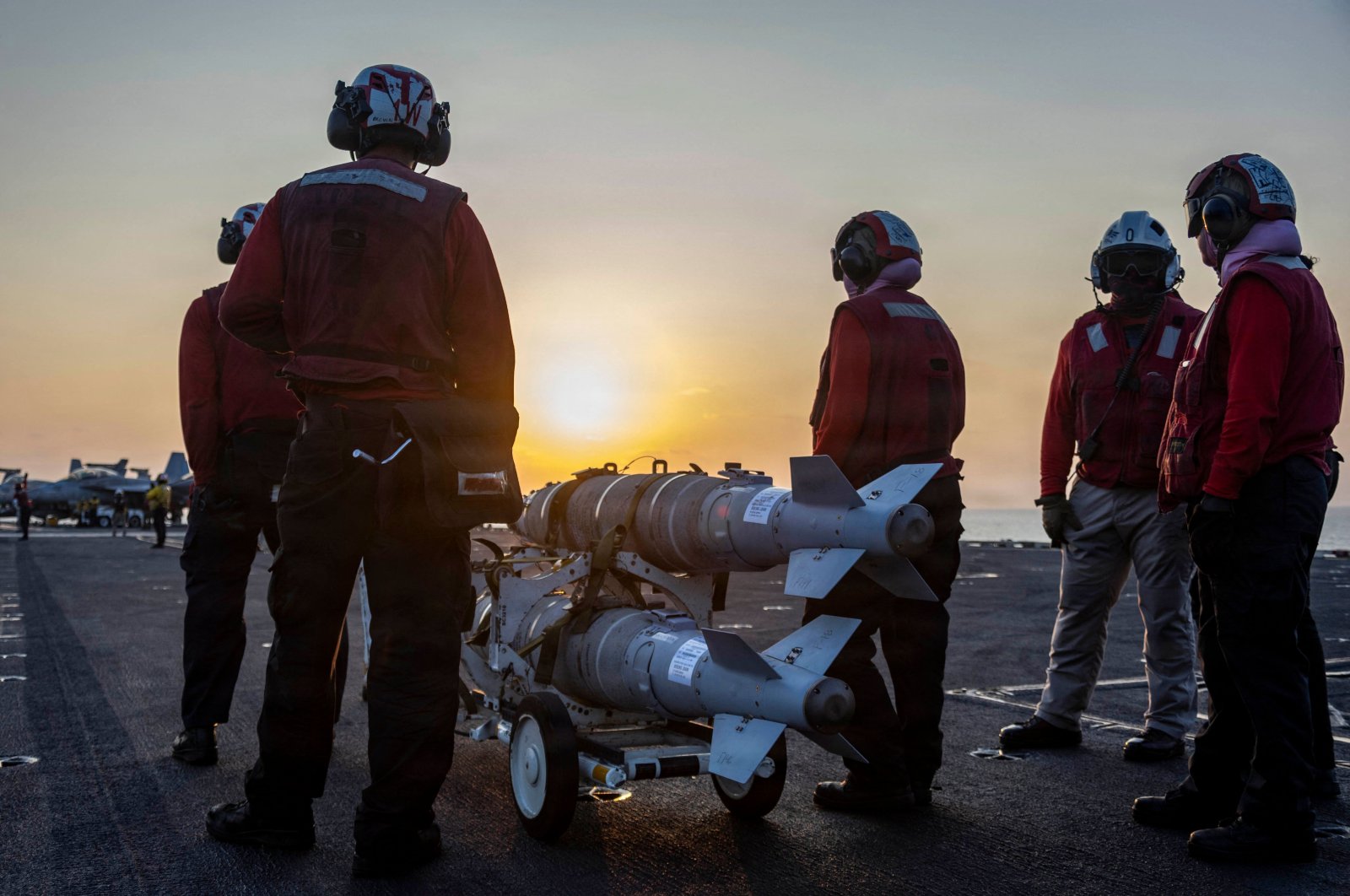
What initially began with targeted strikes against strategic facilities has converted into a conflict of economic and military endurance. US naval forces continue enforcing counter-blockades in response to Iranian efforts to close the Strait of Hormuz, stranding commercial shipping and driving defense expenditures upward while formal peace negotiations remain completely frozen.
Maritime Blockades & Conflict Cost Drivers
The situation highlights several critical geopolitical and strategic concepts:
Chokepoint Vulnerability: Over 20% of the world's petroleum flows through narrow maritime passageways like the Strait of Hormuz, making them key leverage points during international conflicts.
Economic Attrition: The reliance on commercial restrictions, asset isolation, and naval interdiction to degrade an adversary’s economic stability over time.
Operational Expenditure Overhang: The compounding budget requirements associated with maintaining carrier strike groups, missile defense, and maritime patrols continuously in active threat zones.
KEY DEVELOPMENTS IN THE CONFLICT
The Maritime Standoff: Ongoing interdictions along shipping lanes servicing Iranian ports in response to initial blockade attempts.
Diplomatic Freeze: Following a brief memorandum of understanding in mid-2026, formal negotiations have completely halted.
Economic Disruptions: Persistent volatility in international energy markets due to persistent transit uncertainties in the Middle East.
Domestic Budget Scrutiny: Growing bipartisan focus in the US Congress regarding the long-term cost of sustained operational deployments.
THE BLUEPRINT: ANATOMY OF A PROLONGED MARITIME CONFLICT
Kinetic Escalation: Targeted military strikes trigger rapid retaliatory threats against vital trade arteries.
Naval Countermeasures: Superpower forces deploy naval assets to secure commercial transit and isolate adversary maritime access.
Strategic Gridlock: Stalled diplomatic channels coupled with compounding financial costs lead to protracted economic uncertainty.
Global Market Stability: Fluctuations in oil transit directly affect domestic fuel pricing and inflation benchmarks worldwide.
International Security Infrastructure: Demonstrates how localized regional conflicts rapidly alter global trade routes and government defense budgets.
Can economic and naval pressure force a return to diplomatic negotiation, or will prolonged blockades permanently alter global trade dynamics?
How should domestic policy balance continuous overseas military operational costs against long-term strategic objectives?
Have a perspective on this story? Leave your comment below and join the debate on News Definition.