The Democratic Republic of Congo has ratified a 30-year, $1.8 billion concession agreement to rebuild and operate 1,037 kilometres of rail linking its Katanga copperbelt directly to Angola's Atlantic port of Lobito. The deal hands the Lobito Atlantic Railway consortium full operational control from the border outpost of Dilolo through Kolwezi to Sakania on the Zambian frontier.
The economic consequence for Southern African freight is immediate. For three decades, over 80 percent of Congolese and Zambian copper cathodes and battery-grade cobalt reached global markets via long-haul trucking convoys crawling 3,000 kilometres south to Durban or east to Dar es Salaam. That journey averages 30 to 45 days through congested border posts at Kasumbalesa and Beitbridge.
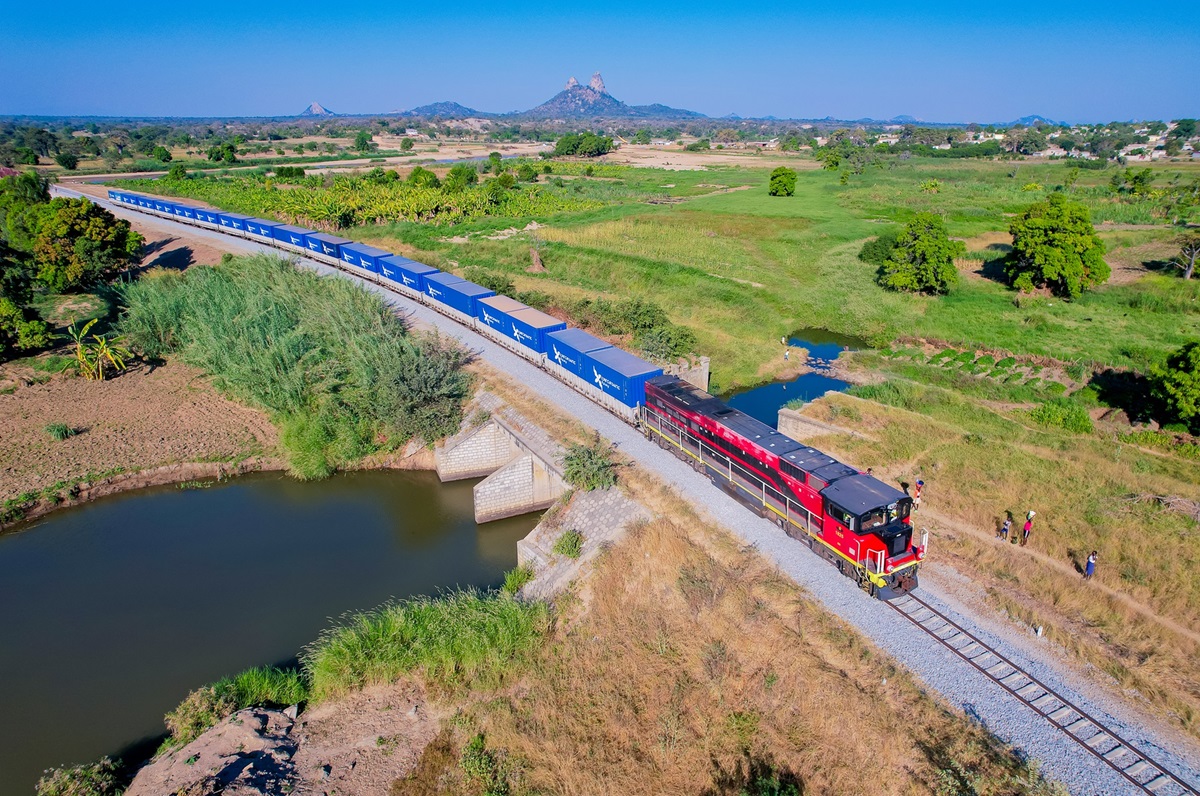
By shifting bulk mineral freight onto the continuous 1,067mm Cape gauge line connecting the DRC interior to Lobito, transit times fall to eight days. Mining houses operating in Kolwezi, including Ivanhoe Mines and CMOC, have already run trial shipments that cut their freight logistics costs by nearly 40 percent per metric ton.
The project is backed by a multilateral funding coalition including the Africa Finance Corporation, the US International Development Finance Corporation, and the European Union's Global Gateway. Washington and Brussels have committed over $500 million in direct loans and guarantees to secure an export channel for energy-transition minerals that bypasses Chinese-controlled logistics choke points on the Indian Ocean.
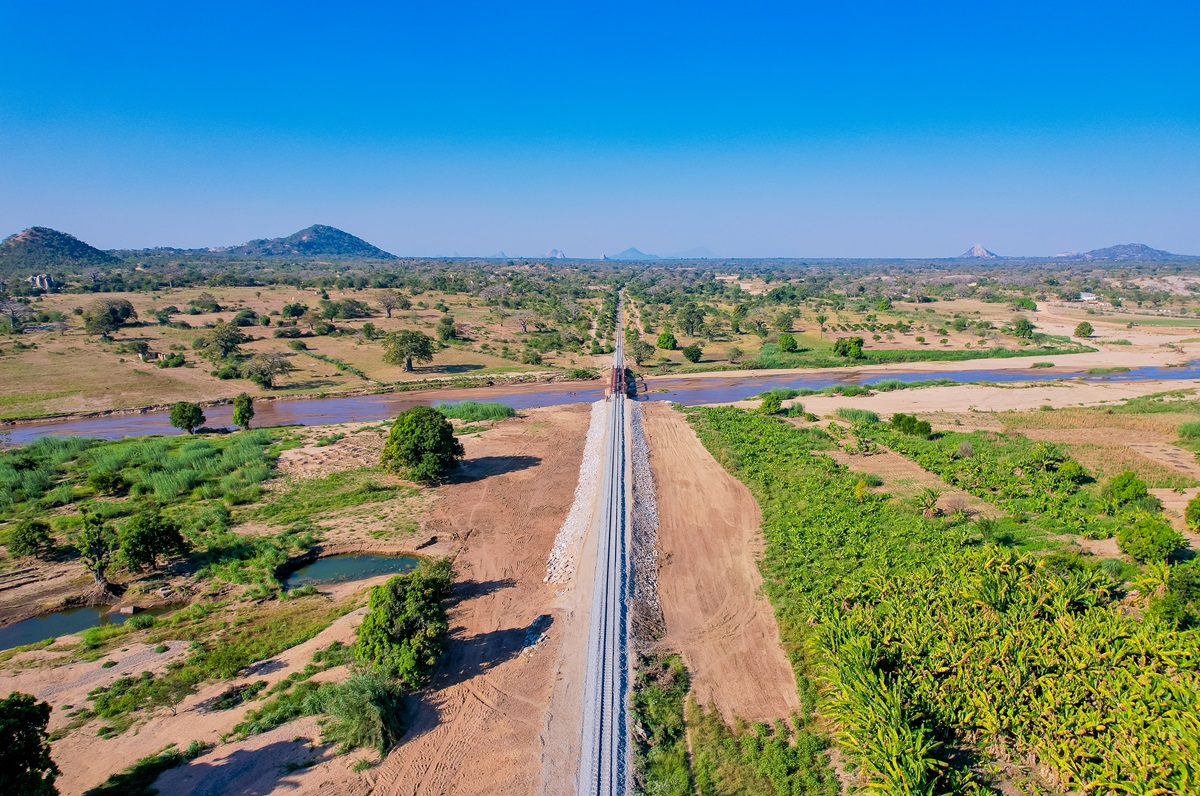
The Lobito Corridor is not a speculative infrastructure proposal; it is an operating commercial pipeline that permanently redirects the trade geography of Central Africa. By securing the DRC section of the track, the consortium removes the final operational gap between Africa's richest copper deposits and the Atlantic shipping lanes.
If you operate in South African road freight, port handling, or cross-border logistics, the structural shift is permanent. Transnet and private South African trucking operators will lose an estimated 300,000 tons of high-yield mineral transport annually by 2027 as miners contract directly with rail operators in Angola. For commodity markets, faster transit cycles free up working capital previously trapped on trucks across SADC border corridors.
* Can the DRC state rail operator SNCC maintain security along the 1,037km right-of-way without disruptive labor and local transit disputes?
* How quickly will Transnet and the Durban port authorities restructure their tariff models to defend their remaining bulk mineral freight from Zimbabwe and Zambia?