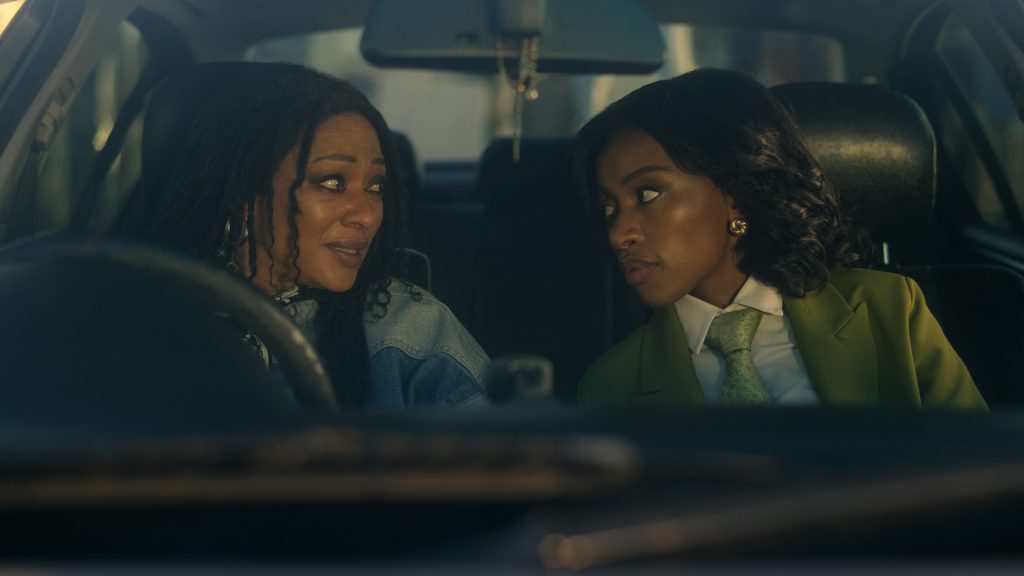
At the center of the drama is Mbali Dlamini (portrayed by Nqobile Nunu Khumalo), an idealistic public prosecutor whose structured world collapses when she discovers her estranged older brother, Moses (Tony Kgoroge), is the mastermind behind a ruthless prison syndicate. When their younger brother Sphelele (Given Stuurman) becomes dangerously entangled in the syndicate’s crosshairs, Mbali is forced to become a double agent—using her legal access to navigate her brother’s criminal network while evading state law enforcement.
Featuring an ensemble cast that includes Sindi Dlathu, Obed Baloyi, Ernest Msibi, and Molefi Monaisa, Umthetho avoids simple heroic or villainous categorizations, grounding its high-stakes storytelling in realistic emotional and social pressures.
The Anatomy of Moral Gray Areas in Mzansi Storytelling
Beyond procedural drama tropes, Umthetho centers on moral ambiguity within failed or overburdened institutions.
In narrative theory, a moral dilemma occurs when a character is forced to choose between two conflicting ethical imperatives—in this case, statutory legal duty versus familial preservation. By setting the story against the backdrop of South Africa's overcrowded prison systems and prosecutorial pressures, the series examines how systemic failure forces individuals into unlawful actions not out of malice, but out of necessity.
Transplanting the premise from 1990s São Paulo to contemporary South Africa highlights universal themes: how historical family trauma shapes personal ethics, and how the formal justice system often clashes with grassroots realities of survival.
Evolution of Local Content: The global reach of platforms like Netflix continues to elevate South African stories, showcasing complex, high-production Mzansi narratives on an international stage.
Reflecting Real-World Systems: The series offers a dramatic lens through which audiences engage with real discussions surrounding prison reform, prosecutorial integrity, and systemic corruption.
Character-Driven Media: Shows like Umthetho mark a shift toward nuanced, morally complex local television, moving past predictable hero/villain narratives to provoke viewer debate.
Does Umthetho set a new standard for how South African television addresses systemic issues within the justice system?
When formal legal systems fail to offer protection, are individuals morally justified in taking the law into their own hands?
Have a perspective on this story? Leave your comment below and join the debate on News Definition.