Europe’s premier club competition returns this week with thirty-six teams tossed into a single league table and sixty-four additional fixtures jammed into an already saturated calendar. The traditional four-team group stage is dead, replaced by UEFA’s Swiss-system model designed to maximise television revenue and manufacture heavyweight clashes before the new year.
For supporters across South Africa tuning in past 21:00 on Tuesday and Wednesday nights, the expanded schedule demands stamina, yet the central debate remains unchanged. Real Madrid enter as defending champions with Kylian Mbappé leading their forward line, while Pep Guardiola’s Manchester City possess the tactical balance and depth required to reclaim the crown.
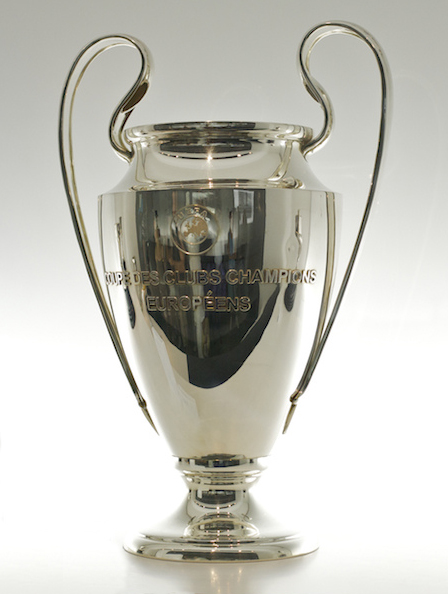
Real Madrid remain tournament royalty for a reason. Carlo Ancelotti has integrated Mbappé alongside Vinícius Júnior and Jude Bellingham, giving Madrid the most devastating transition attack on the continent. Their weakness sits deeper on the pitch, where the retirement of Toni Kroos has removed the metronomic midfield tempo that controlled chaotic knockout ties over the last decade.
Manchester City represent the structural antithesis. In Erling Haaland, City boast an unmatched scoring machine who has netted back-to-back hat-tricks early in the domestic campaign. With Rodri patrolling the base of midfield and Kevin De Bruyne dictating the final pass, City control territory better than any side in world football. If Haaland stays fit through the spring, Guardiola’s tactical control gives them the highest statistical floor of any contender.
Beyond the two favourites, the chasing pack faces steep structural hurdles. Bayern Munich have handed the tactical whiteboard to Vincent Kompany, banking on Harry Kane’s penalty-box efficiency to mask ongoing defensive vulnerabilities against elite counter-attacks. Arsenal offer defensive solidity through William Saliba and Gabriel Magalhães, but Mikel Arteta’s squad still lacks the ruthless knockout edge that separates semifinalists from European champions.
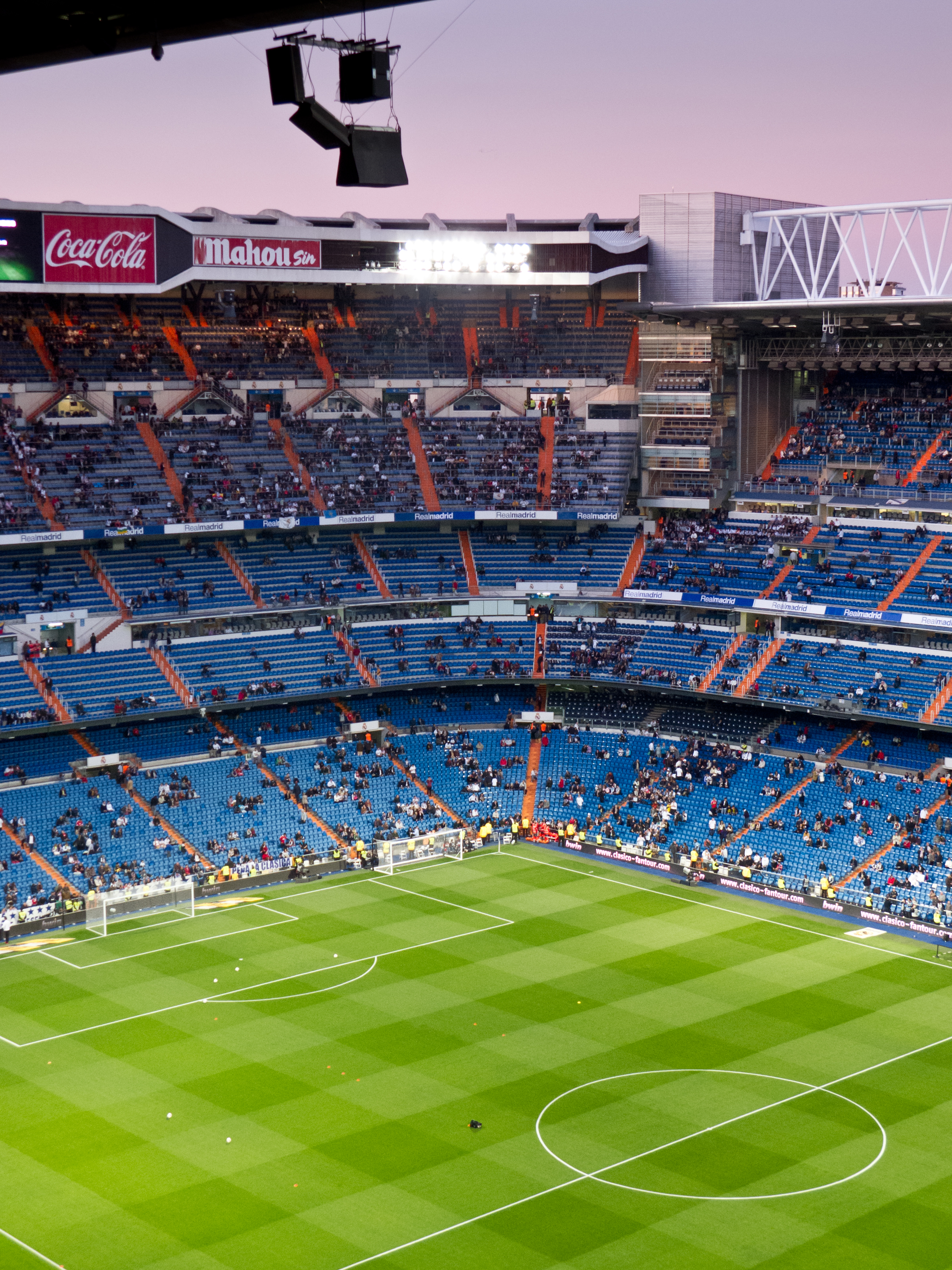
The new Champions League format abolishes the traditional eight groups of four. Under the single thirty-six team league phase, every club plays eight matches against eight different opponents, four at home and four away. The top eight teams qualify automatically for the round of sixteen. Teams ranked ninth through twenty-fourth enter a two-legged playoff round to secure the remaining eight knockout spots, while the bottom twelve teams are eliminated entirely from European competition with no drop down into the Europa League.
South African football enthusiasts face an uninterrupted feast of midweek European football stretching from September straight through late January. With fixtures scheduled across Tuesday, Wednesday, and selected Thursday nights, DSTV SuperSport broadcast packages and streaming data will be tested by the sheer volume of games. The format also eliminates meaningless December dead-rubbers, meaning early slip-ups will immediately threaten a club’s direct path to the last sixteen.
* Can Carlo Ancelotti construct a functional midfield defensive structure to shield his defence without Toni Kroos dictating the tempo?
* Will the punishing physical toll of two additional league phase matches in January break Manchester City’s squad rotation before the knockout rounds arrive?
* Can dark horses such as Arsenal or Vincent Kompany’s Bayern Munich bridge the psychological chasm when facing Madrid or City in a two-legged semifinal?