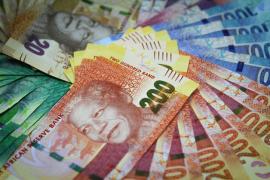
The economic downturn reflects ongoing structural bottlenecks, reduced industrial output, and subdued consumer demand driven by high living costs and tight credit conditions.
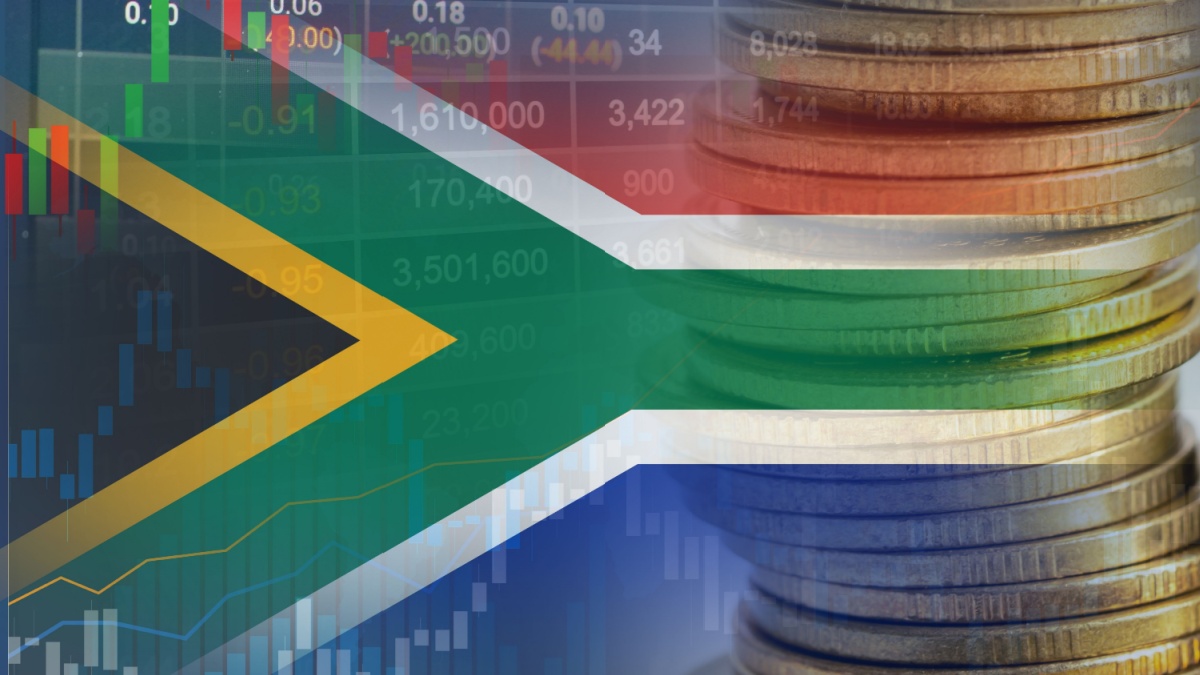
Gross Domestic Product (GDP) & Economic Contraction
Core macroeconomic indicators used to measure national performance:
Gross Domestic Product (GDP): The total monetary or market value of all finished goods and services produced within a country's borders during a specific time period.
Economic Contraction: A phase of the business cycle in which the economy as a whole is in decline, characterized by falling output, lower employment levels, and reduced consumer spending.
Quarter-on-Quarter (QoQ) Growth: An economic measurement comparing financial output in one quarter directly against the output recorded in the previous consecutive three-month period.
KEY DEVELOPMENTS IN THE GDP REPORT
Quarterly Decline: Real GDP contracted by 0.2% following mixed performance across core industrial divisions.
Sector Pressure: Manufacturing, retail trade, and agricultural sub-sectors recorded declines in total volume output.
Consumer Demand: Elevated interest rates and persistent unemployment continue to depress household expenditure.
Fiscal Outlook: Sluggish national growth puts additional pressure on sovereign credit ratings and public debt trajectories.
For Households: Indicates continued economic pressure on wage growth, hiring, and living standards as inflation and interest rates stay restrictive.
For Businesses: Requires tighter cost control and adaptive market strategies as domestic demand remains flat across major retail and manufacturing sectors.
What policy interventions can accelerate private sector investment to turn around output in key sectors?
How will weak quarterly growth affect national budget targets and fiscal debt servicing over the medium term?
Have a perspective on this story? Leave your comment below and join the debate on News Definition.