A wave of high school innovators and young researchers across South Africa is taking on drought and food insecurity as 316 national finalists prepare for the 2026 Eskom Expo International Science Fair in Boksburg. Competing from 29 September to 2 October 2026 at the Birchwood Hotel and Conference Centre, the learners represent 35 regional competitions nationwide alongside international teams from Brazil, India, Ireland, and across the African continent. Their scientific work spotlights homegrown solutions to climate variability, ranging from automated drip irrigation controllers to biodegradable organic soil polymers engineered from indigenous crop waste.
The surge in climate and agricultural research reflects urgent economic realities across southern Africa. With small-scale producers confronting rising fertiliser costs and erratic rainfall patterns, young researchers are using physics, microbiology, and low-cost digital engineering to build practical field tools. In the Agricultural Sciences category, multiple finalists have focused on improving soil moisture retention without synthetic chemicals, developing organic soil amendments that trap irrigation water near the root zone and prevent premature crop failure during mid-season dry spells.
This scientific pipeline builds on a proven track record of South African youth competing on global stages. Earlier in 2026, South African delegates earned distinction at the Regeneron International Science and Engineering Fair in the United States, presenting artificial intelligence applications for land monitoring and biomimetic structural designs. The upcoming Boksburg fair serves as the premier selection ground for the next cohort of international representatives, offering university bursaries, research sponsorships, and direct incubation opportunities supported by the Department of Science and Innovation.
The Eskom Expo for Young Scientists operates across 13 distinct scientific disciplines, with Agricultural Sciences and Environmental Studies experiencing the fastest growth in community-focused submissions. Rather than relying on imported industrial machinery, student research focuses on frugality and local materials. Innovations include sensor arrays powered by mini solar cells that monitor moisture levels in soil beds, automated gravity-fed valves that eliminate water waste, and biological inoculants that accelerate root development in staple crops such as maize and beans.
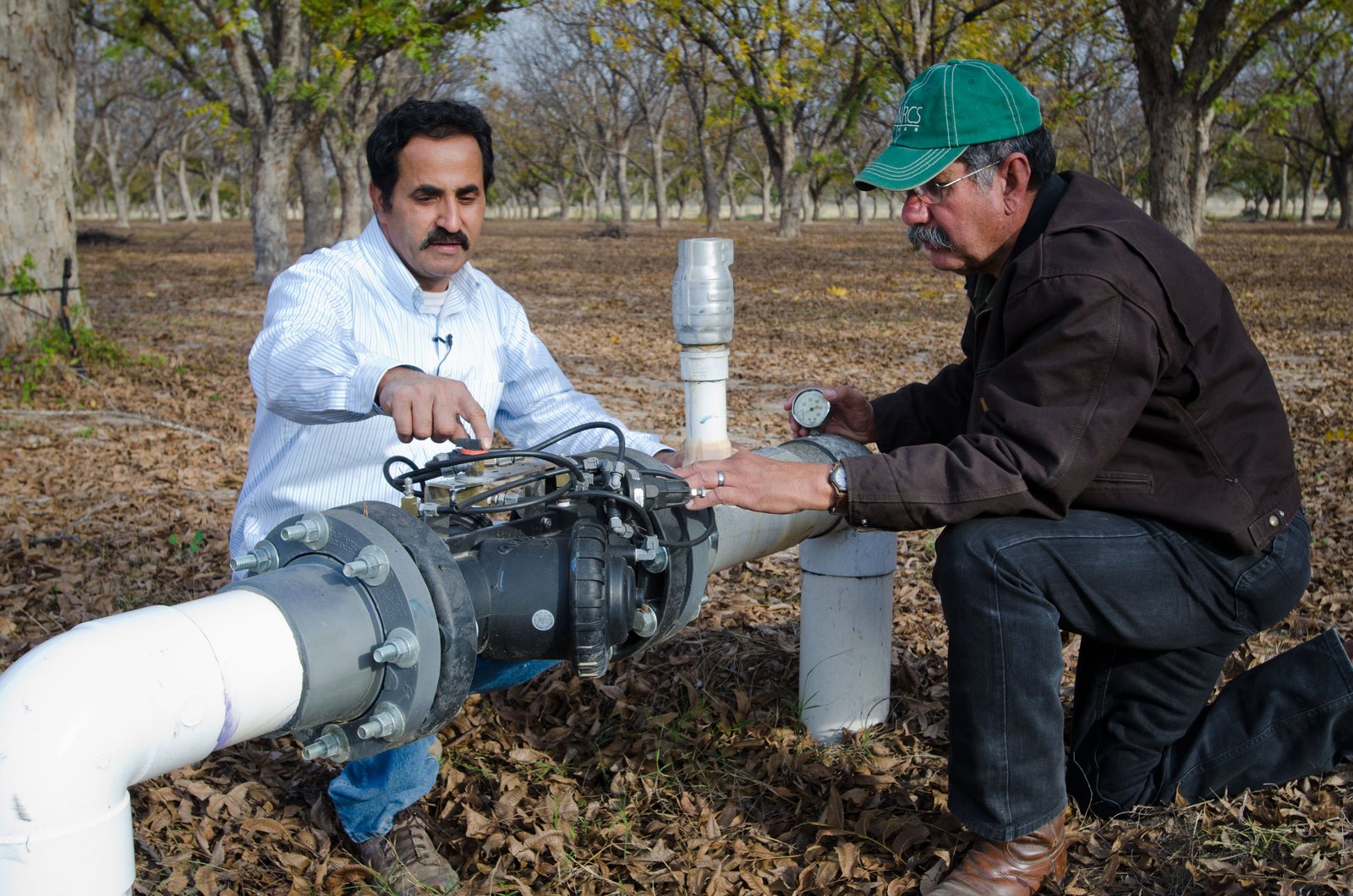
The value of youth-led agricultural research lies in accessibility. Commercial precision-farming equipment remains priced out of reach for most emerging and township farmers across Gauteng, Limpopo, and the Eastern Cape. By producing working prototypes that use open-source microcontrollers and recycled parts, student researchers demonstrate that water conservation technology can be deployed for a fraction of commercial costs. Field trials presented by regional medalists have documented water savings exceeding 30% while maintaining crop yields in test plots.
Academic mentors from institutions including the Council for Scientific and Industrial Research and leading universities work alongside the expo to validate experimental methodologies. For participants, the process transforms classroom theoretical science into applied engineering. Finalists defend their hypotheses, error margins, and statistical findings before panels of professional scientists, developing technical skills that feed directly into South Africa's critical engineering and agricultural research sectors.
South Africa needs more than 50,000 additional STEM professionals over the next decade to maintain its water infrastructure, electrical grids, and commercial agriculture. The Eskom Expo demonstrates that grassroots talent exists in every province, from rural schools to urban technical colleges. When young inventors receive mentorship, laboratory access, and commercialization pathways, their projects evolve from science fair models into real-world enterprises that safeguard national food security and create sustainable jobs.
* Can government departments and agricultural financiers establish dedicated funding pipelines to commercialise winning student prototypes for rural smallholders?
* How can public schools in under-resourced districts receive consistent laboratory infrastructure to ensure equal participation in national science competitions?
* What role can the private agricultural sector play in mentoring young researchers before intellectual property leaves South African borders?