
South African motorists and businesses face an unprecedented fuel price shock on Wednesday, 7 October 2026, as international oil market disruptions and currency depreciation combine to push pump prices toward record highs. Daily tracking data from the Central Energy Fund indicates that petrol is on course for an increase of roughly R3.01 per litre, while wholesale diesel prices are tracking increases between R2.68 and R3.08 per litre.
The projected adjustments reflect a severe under-recovery in the Basic Fuel Price, the formula used by the Department of Mineral and Petroleum Resources to determine domestic retail costs. Unaudited data for late September shows 95 Unleaded petrol running an under-recovery of more than 301 cents per litre, with 93 Unleaded tracking 282 cents per litre in the red. If these trends hold through month-end, inland retail 95 petrol will surge from its current baseline around R25.20 per litre to exceed R28.20 per litre, placing the psychological ceiling of R30 per litre within striking distance for regional fleets.
The primary catalyst behind the spike is the relentless surge in global crude prices, where Brent crude has pushed decisively past $100 per barrel. Intensifying military conflicts across Middle Eastern shipping lanes and supply choke points have rattled global refining hubs in the Mediterranean and the Arab Gulf, driving up import parity costs for fuel-importing nations. Compounding the commodity squeeze, the Rand has weakened against the US Dollar, depriving local consumers of the exchange-rate buffer that softened earlier price shocks.
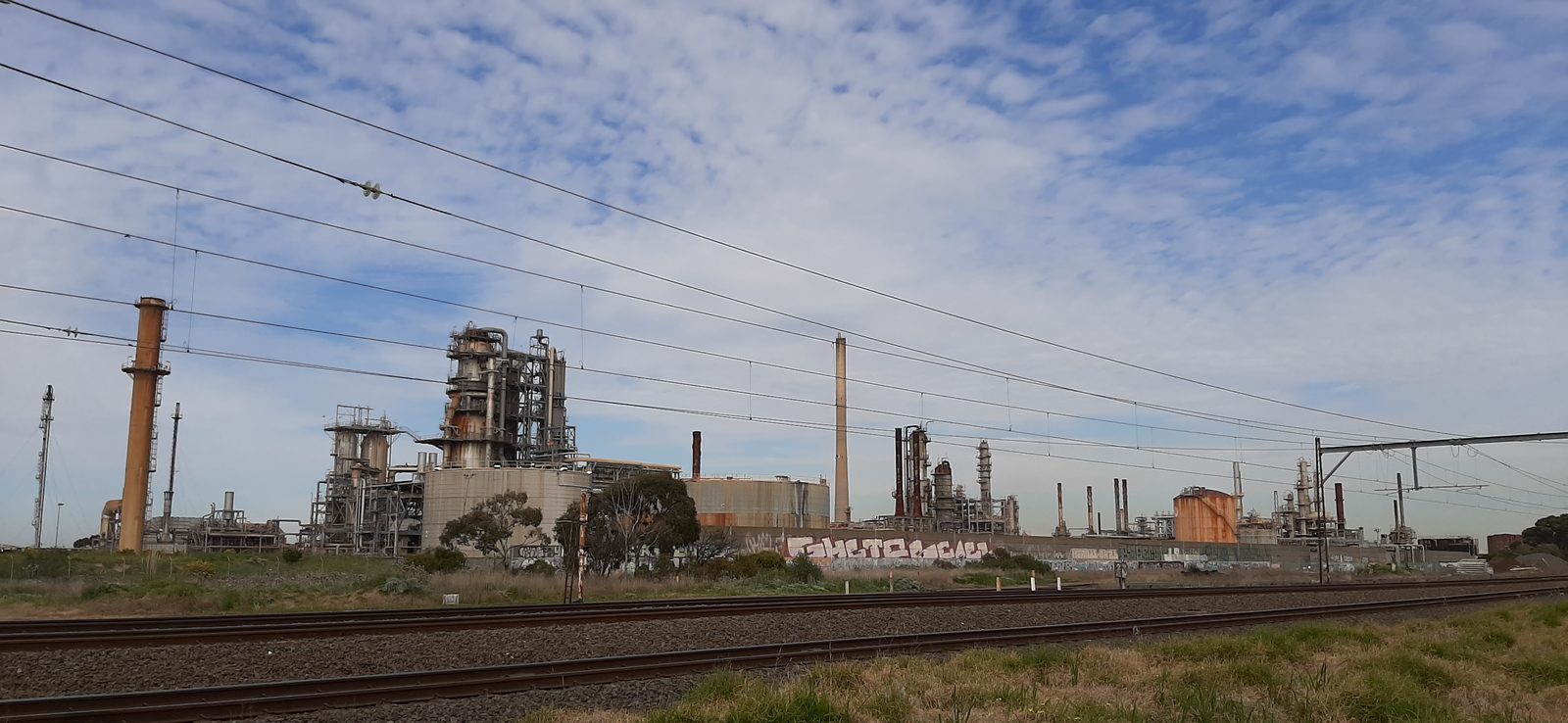
The timing of the diesel increase presents severe consequences for South Africa's agricultural sector. October marks the critical planting window for summer grain crops, including maize, sunflower, and soybeans across the Free State, North West, and the central highveld. Farmers rely entirely on 50ppm diesel to power heavy tractors, planters, sprayers, and backup irrigation generators. A single-month hike of over R3 per litre inflates per-hectare input costs overnight, creating cost pressures that will filter directly into retail food prices over the next two quarters.
The logistical shock will ripple quickly into supermarket supply chains. Due to systemic freight rail constraints, over 80% of all goods and agricultural produce in South Africa move by road. Fuel accounts for nearly half of total operating overhead for commercial trucking companies. Operating on razor-thin margins between 3% and 6%, road logistics operators cannot absorb an increase of this scale. Contractual fuel surcharges will pass directly to wholesale distributors, raising the transport cost of staples such as maize meal, bread, and poultry.
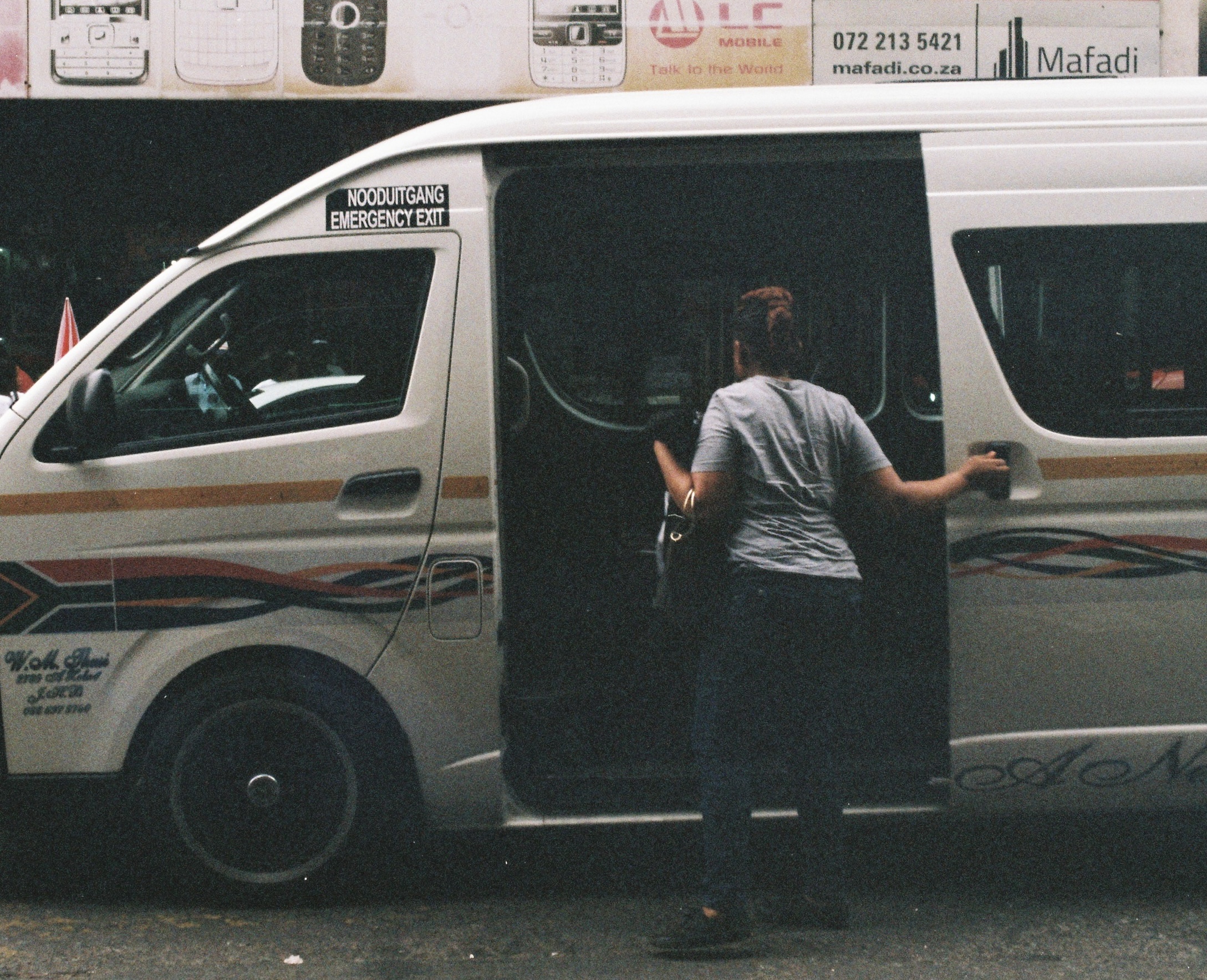
Public transport commuters will bear an immediate, regressive burden. The minibus taxi industry carries more than 70% of the country's workforce daily, yet operators receive zero state subsidies for fuel purchases. The South African National Taxi Council and regional associations face immediate cash flow compression. Taxi operators will have no operational choice but to announce fare increases of between R2 and R5 on local township routes, further eroding the disposable income of households already spending up to 40% of their earnings on commuting.
Consumers face additional fiscal drag from statutory fuel taxes that remain fixed regardless of global price shocks. Before a single drop of fuel is refined or transported, motorists pay over R6.14 per litre in non-negotiable state levies, led by the General Fuel Levy at R3.96 per litre and the Road Accident Fund levy at R2.18 per litre. With the state's Slate Account running a massive cumulative deficit from sustained under-recoveries, the Department of Mineral and Petroleum Resources may also be compelled to raise the Slate Levy, locking in elevated prices even if crude markets eventually cool.
The Basic Fuel Price is the import parity price calculated daily by the Central Energy Fund to reflect the theoretical cost of purchasing refined fuel on international markets, shipping it to South African ports, and storing it locally. The Department of Mineral and Petroleum Resources adjusts official pump prices on the first Wednesday of every month by combining the monthly average Basic Fuel Price with fixed domestic statutory levies, transport costs, and gazetted retail margins.
Commuters and motorists must prepare for a sharp reduction in discretionary spending starting on 7 October. Filling a standard 50-litre petrol tank will cost roughly R150 more in a single visit, while diesel commercial operators will pay over R154 extra per 50 litres. Expect minibus taxi fares to rise across urban routes, followed by higher shelf prices on transport-heavy basic foods over the coming months.
* Why does the National Treasury continue to resist restructuring the R6.14 per litre fixed tax burden on fuel during severe international commodity spikes?
* Can commercial road freight operators and agricultural producers absorb these energy costs without triggering double-digit retail food inflation?
* How will the South African Reserve Bank factor this major transport shock into its upcoming interest rate deliberations?