
Trade and Industry Minister Parks Tau reached a binding settlement with the Save SA Film and TV Jobs Coalition to reconvene the department's frozen Film and Television Production Incentive adjudication committee on 30 September 2026.
The two-and-a-half-year administrative freeze locked R700m in approved cash rebates inside the Department of Trade, Industry and Competition, cutting 1,850 technical crew jobs and forfeiting R822m in direct production spending across Gauteng, KwaZulu-Natal, and the Western Cape during the current financial cycle.
Commercial banks stopped issuing bridge loan facilities against dtic provisional letters after the department halted formal committee sittings in late 2023. Film producers depend on commercial bank loans to fund up to 35% of their local production costs during shooting. When the state halted claim assessments, independent production houses shouldered compounding overdraft interest rates, pushing dozens of boutique suppliers into liquidation.
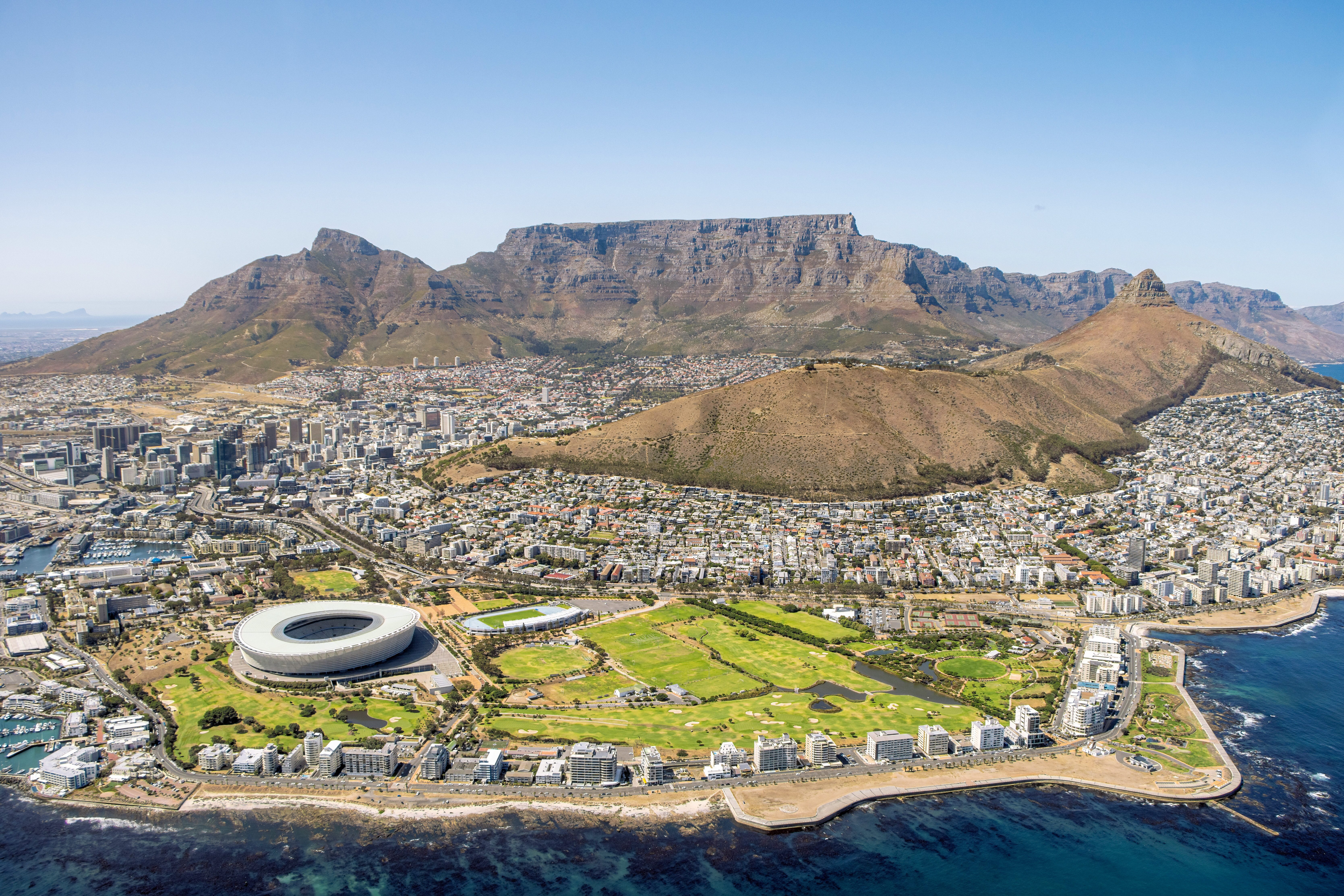
The paralysis hit South Africa's regional production hubs unequally. In Gauteng, daily telenovela and drama series lines surrendered commercial copyright to commercial networks in exchange for emergency cash infusions. In KwaZulu-Natal, the provincial 15% incentive stalled without national co-funding. At Cape Town Film Studios in Faure, where an 8,745 m² sound stage footprint hosts foreign megaprojects like Netflix's live-action series One Piece, international producers trimmed local secondary location shooting, redirecting mid-tier feature budgets to tax-credit markets in Spain, Hungary, and Malta.
The cash rebate breakdown accelerated a corporate restructuring across South Africa's broadcasting sector. French media group Canal+ secured conditional clearance from the Competition Tribunal to acquire MultiChoice at R125.00 per share, valuing the broadcast operator at R55bn. To comply with Section 64 of the Electronic Communications Act, which caps foreign voting control over commercial broadcasting licences at 20%, MultiChoice carved out its broadcast transmission licences into a ring-fenced entity named LicenceCo, leaving Canal+ with operational control over international distribution and video streaming assets.
MultiChoice required the foreign capital injection to absorb massive streaming losses. While Showmax expanded paying subscribers by 44% following its February 2024 software migration to Comcast's Peacock platform, the service posted a R4.947bn trading loss in FY25. MultiChoice and Comcast subsidiary NBCUniversal injected R6bn in working capital into Showmax to survive subscriber churn driven by municipal power cuts and the currency depreciation of the Nigerian naira. MultiChoice continues to direct 50.4% of its R20.4bn annual content budget to African productions, remaining the primary commercial lifeline for domestic crews.
Foreign streaming capital remains locked in a bitter contractual battle with local talent over residual payments. Netflix has injected more than R2bn into South African content commissions since 2016, along with a R929m multi-title slate pledge, yet the platform enforces strict global work-for-hire contracts. Writers, directors, and performers sign away global secondary exploitation rights for a single daily shoot fee, receiving zero residual royalties when local series stream internationally.
The South African Guild of Actors suffered a procedural setback on 26 June 2026, when the Constitutional Court delivered its judgment on the Copyright Amendment Bill and Performers' Protection Amendment Bill. The apex court upheld fair use provisions under Section 12A and struck down broad educational exemptions under Section 12D, but Justice Mhlantla declined to rule on the royalty-sharing mechanisms in Sections 6A, 7A, and 8A due to defective referral filings from the Presidency. The ruling returns the statutory royalty dispute to the 7th Parliament, leaving South African actors without enforceable rights to streaming residuals.
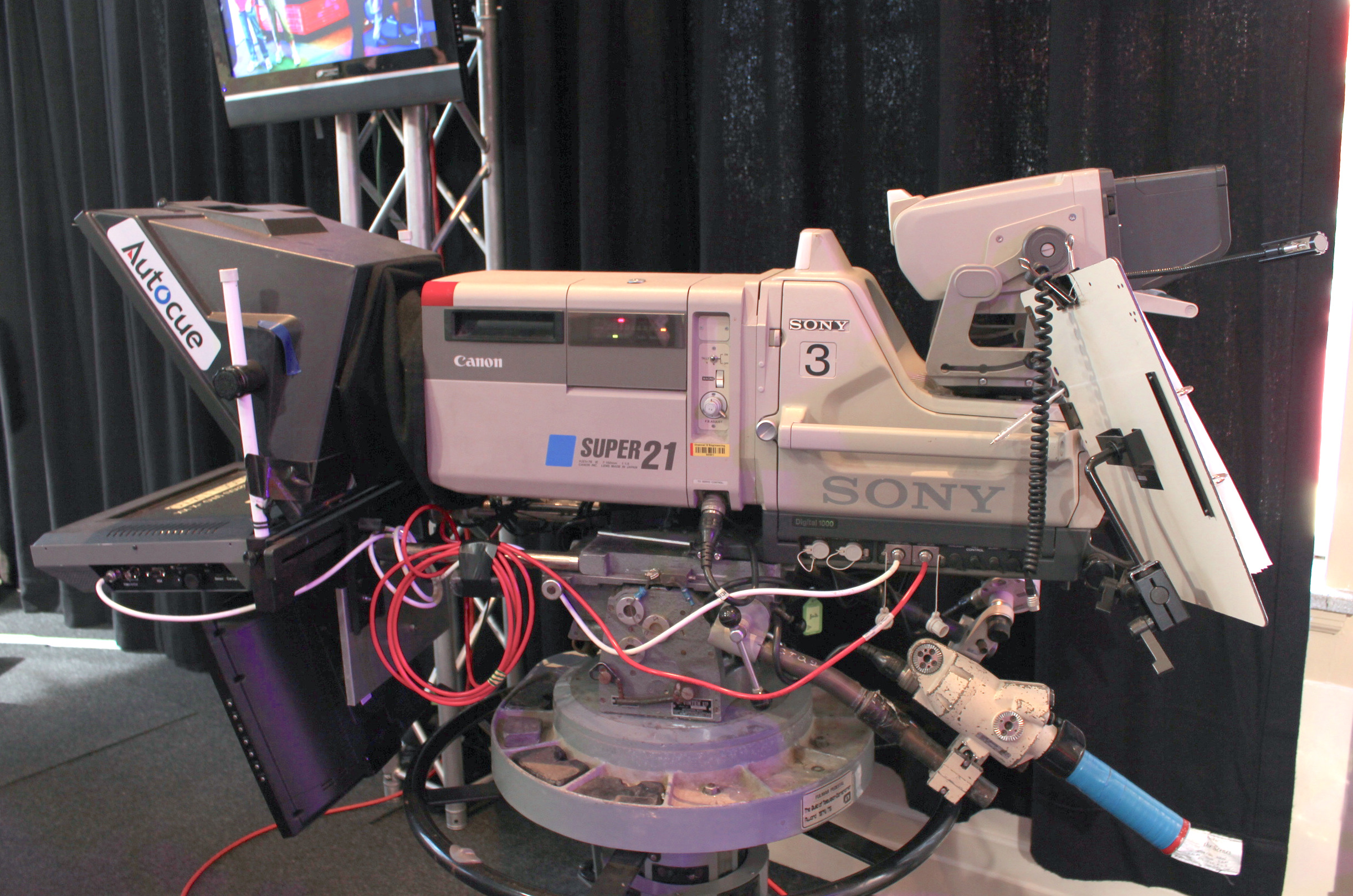
Qualifying South African Production Expenditure, known across the sector as QSAPE, forms the statutory benchmark for all film and television state grants administered by the Department of Trade, Industry and Competition. Under existing regulations, a domestic production company claiming local incentive support receives a cash grant of 35% of all audited operational expenditures incurred within the republic, provided the production satisfies Broad-Based Black Economic Empowerment procurement quotas and minimum local shooting day thresholds.
The Foreign Film and Television Production and Post-Production Incentive grants an equivalent 25% cash reimbursement to international studios filming within South Africa, rising to 30% if post-production facilities remain in the country and hire Black-owned service suppliers. Because the state pays QSAPE rebates only after production wraps and independent auditors certify the balance sheet, the system relies entirely on commercial financial institutions advancing capital against the department's approval letter. When ministerial adjudication committees cease meeting, the credit mechanism dissolves.
If you work behind the camera, as a focus puller, boom operator, set builder, or caterer, the state rebate backlog eliminated more than one-third of the freelance calendar year. Production houses that typically greenlight four domestic series a year reduced schedules to one, resulting in prolonged spells without day rates and forcing skilled technicians to seek employment overseas.
If you watch local television, the economic squeeze directly affects what appears on your screen. Broadcasters and streaming platforms face reduced commissioning budgets and rising production overheads, driving networks away from high-risk historical dramas and complex investigative documentaries in favour of cheap, unscripted reality television formats and low-cost studio telenovelas.
* The first unresolved question focuses on whether the Department of Trade, Industry and Competition will successfully transition from a discretionary grant programme to an automated statutory tax credit administered directly by the South African Revenue Service. National Treasury officials have initiated discussions with industry representatives, but migrating from a cash grant to an automated tax deduction requires legislative amendments in the 2027 Revenue Laws Amendment Bill.
* The second question concerns Parliament's willingness to rectify the procedural defects in the Performers' Protection Amendment Bill. With the Constitutional Court declining to confirm the legality of mandatory royalty splits, the Portfolio Committee on Trade, Industry and Competition must determine whether to push forward with statutory residual percentages or capitulate to pressure from multinational streaming platforms that threaten to withhold international commissioning budgets.