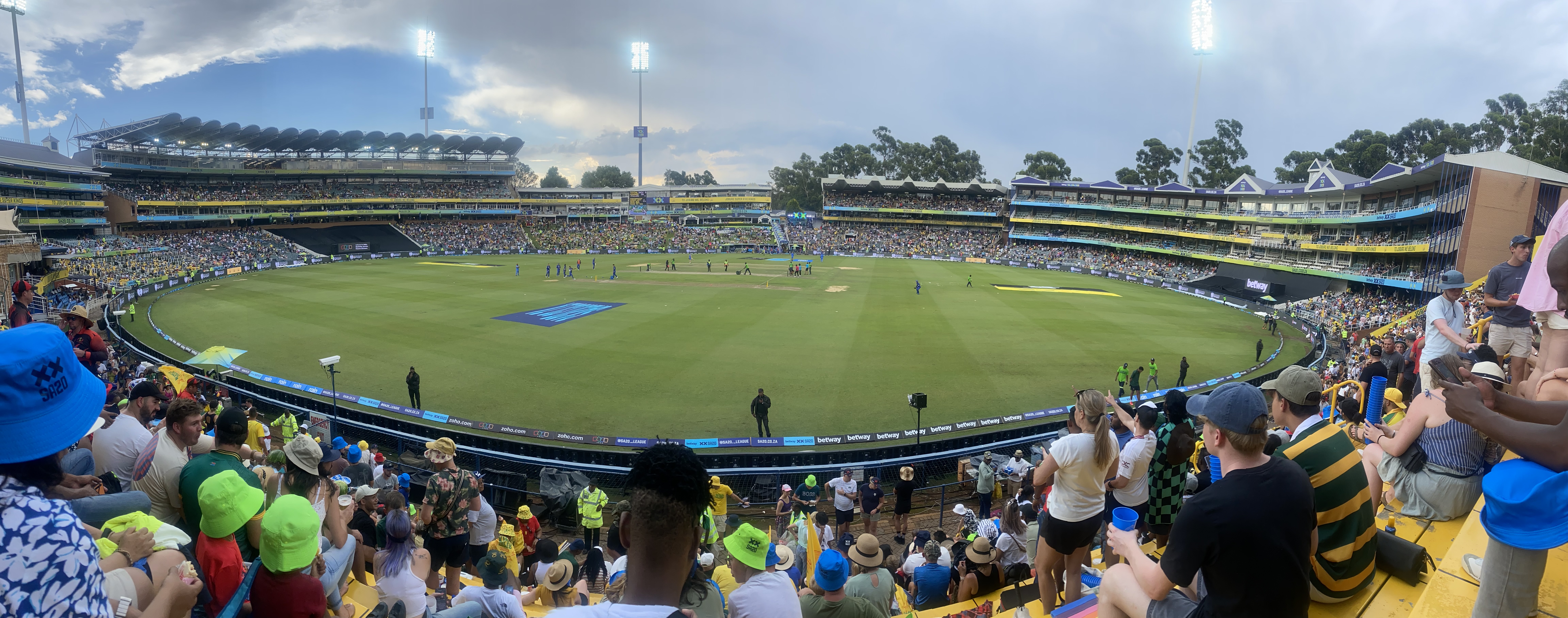
Cricket South Africa has locked the national men's Test calendar into an austerity cycle of two-match series while relying on an annual R54m dividend from the privately managed SA20 league to maintain solvency.
The structural retreat costs the Proteas their historical standing in five-day international cricket, stripping local provincial unions of premier red-ball gates while concentrating institutional power in commercial private investors.
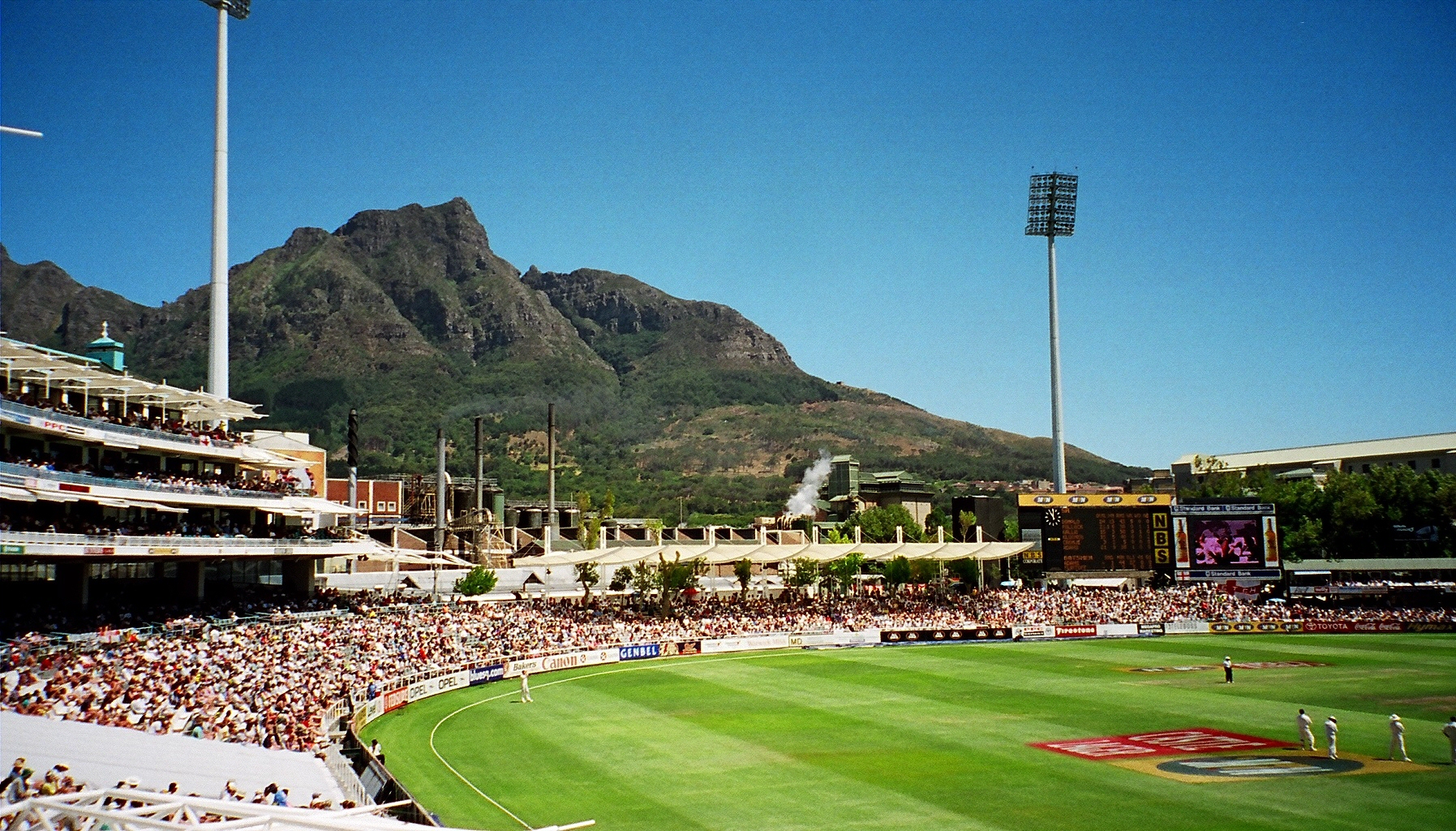
Under the International Cricket Council funding cycle running from 2024 through 2027, the Board of Control for Cricket in India captures 38.5% of the governing body's $600m net annual surplus. That allocation delivers approximately $231m, or R4.1bn, into Indian board reserves every twelve months. In contrast, Cricket South Africa receives 4.37%, yielding roughly $26.24m, or R475m annually. While absolute funding increased from the previous cycle, the revenue split codifies an unequal financial order dictated by Indian television broadcast weight, which generates upwards of 80% of global cricket media rights.
Hosting five days of red-ball cricket in South Africa generates heavy operating losses unless the touring opponent is India. A single home Test match costs between R10m and R20m to stage when accounting for broadcast infrastructure, match fees, logistics, pitch preparation, and perimeter security. Outside the Boxing Day fixture at SuperSport Park and the New Year fixture at Newlands, crowd attendances consistently sink to between 10% and 20% of stadium capacity during tours by Sri Lanka, Pakistan, New Zealand, or the West Indies. Domestic broadcast rights for these tours fail to cover base overheads, turning international fixtures into balance-sheet liabilities.
Cricket South Africa responded by turning to Africa Cricket Development Proprietary Limited, the commercial holding company operating the SA20. The national board owns 50% of the vehicle, broadcaster SuperSport holds 30%, and former Indian Premier League chief operating officer Sundar Raman holds 20%. All six participating franchises were sold on 10-year commitments to Indian Premier League franchise conglomerates, including Mumbai Indians, Chennai Super Kings, Sunrisers Hyderabad, and Rajasthan Royals, with initial acquisition fees topping $25m per franchise.
The league operates as a commercial enclave inside the South African summer, commandeering premier grounds in Johannesburg, Pretoria, Durban, Paarl, Centurion, and Gqeberha throughout January and February. Provincial unions receive facility fees and an 80/20 commercial split on stadium hospitality, yet their red-ball structures remain starved. When CSA scheduled a two-match Test tour to New Zealand in February 2024, contractual covenants required every centrally contracted player to remain inside the SA20, forcing CSA to dispatch an uncapped developmental squad led by Neil Brand.
The economic pressure extends directly into the domestic system. In 2021, CSA dismantled the six regional franchises established in 2004, returning to a 15-team provincial model divided into an eight-team Division 1 and a seven-team Division 2 with promotion and relegation. The domestic system costs approximately R222m each season to administer. CSA management has repeatedly reviewed plans to cull the professional tier down to eight or ten squads to save between R17m and R37m annually, leaving semi-professional players in Division 2 on precarious baseline retainers.
Player retention has decoupled from national red-ball caps. Top-tier national contracts negotiated with the South African Cricketers' Association range between R1.2m and R3.5m annually, sums easily matched or eclipsed by a four-week contract in the SA20 or secondary overseas franchise tournaments. The financial disparity drove wicketkeeper Heinrich Klaasen and opening batsman Dean Elgar out of international red-ball cricket, while fast bowler Anrich Nortje relinquished his national red-ball contract to preserve physical longevity for global franchise circuits.
The Future Tours Programme is the binding bilateral schedule coordinated by the International Cricket Council, requiring full member nations to stage a minimum of two Test matches per bilateral series. South Africa scheduled 28 Tests across the 2023 to 2027 cycle, whereas England scheduled 43 and Australia scheduled 40. Africa Cricket Development Proprietary Limited is the autonomous commercial entity managing the SA20, insulating private franchise revenue and broadcasting rights from the operational debts of the South African provincial cricket system.
South African cricket supporters pay international subscription rates to watch a national team increasingly barred by financial constraints from playing extended three-match or four-match Test series at home. Provincial unions face dwindling matchday ticket availability as historic grounds prioritize corporate hospitality packages and private franchise branding over affordable general admission terraces. Aspiring local cricketers outside the immediate elite white-ball pipeline face reduced professional contracts and regional domestic budget cuts.
* Will Cricket South Africa withstand pressure from provincial unions to dismantle the 15-team domestic system before the 2027 Men's Cricket World Cup on home soil?
* Can the International Cricket Council establish a dedicated Test match subsidisation fund to prevent second-tier full members from abandoning long-format cricket entirely?