The Department of Home Affairs has cleared more than 90% of South Africa's inherited 306,000 visa backlog, opening the door for foreign digital nomads under revised immigration regulations signed by Minister Leon Schreiber.
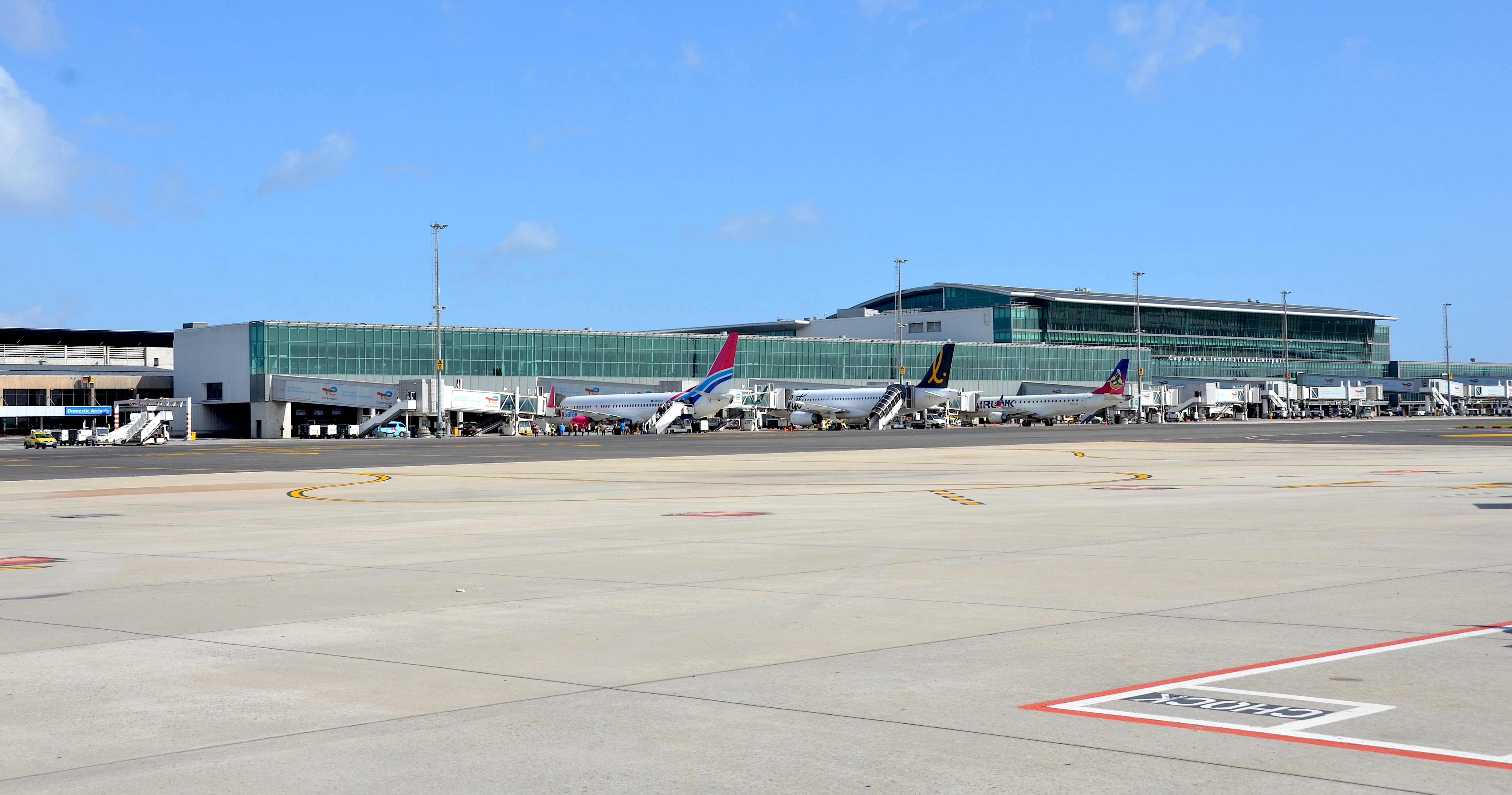
Yet the macroeconomic relief promised by relaxed borders faces immediate friction on airport tarmacs, where domestic airfares have surged up to 50% and inland jet fuel reserves remain tethered to a single aging refinery.
Government Gazette 51416 brought an end to years of policy paralysis by establishing an objective 100-point threshold for general work permits and formalising the Remote Work Visitor Visa. Remote professionals earning at least R650,796 annually can now secure legal residence without navigating bureaucratic corruption or competing with local job seekers. Treasury projections indicate that unblocking skilled immigration and tourist entry will add 1.5% to real gross domestic product by 2029, unlocking R399.6 billion in broader economic activity.
The reform arrives as the domestic travel market contends with the lingering wreckage of the 2022 Comair collapse. That liquidation wiped out 40% of national airline capacity overnight, handing FlySafair an estimated 60% market share on the lucrative Golden Triangle connecting Johannesburg, Cape Town, and Durban. With fewer aircraft servicing high-demand corridors, off-peak economy tickets that once cost R800 now trade well above R1,500, while peak holiday departures routinely breach R3,500 one-way.
Airports Company South Africa has compounded passenger cost pressures through regulated tariff escalations. Under an approved five-year program funding R21.7 billion in terminal and runway upgrades, aeronautical charges climbed by 10.3% in 2024 and 6.51% in 2025, with an additional 6.16% increase taking effect for the 2026 financial year. On 1 April 2026, regulated passenger service fees climbed to R120.81 per domestic departure and R330.05 for international boarding. Airline representative bodies, including the Airlines Association of Southern Africa, warn that compounding airport tariffs are pushed straight onto ticket prices, penalising local commuters.
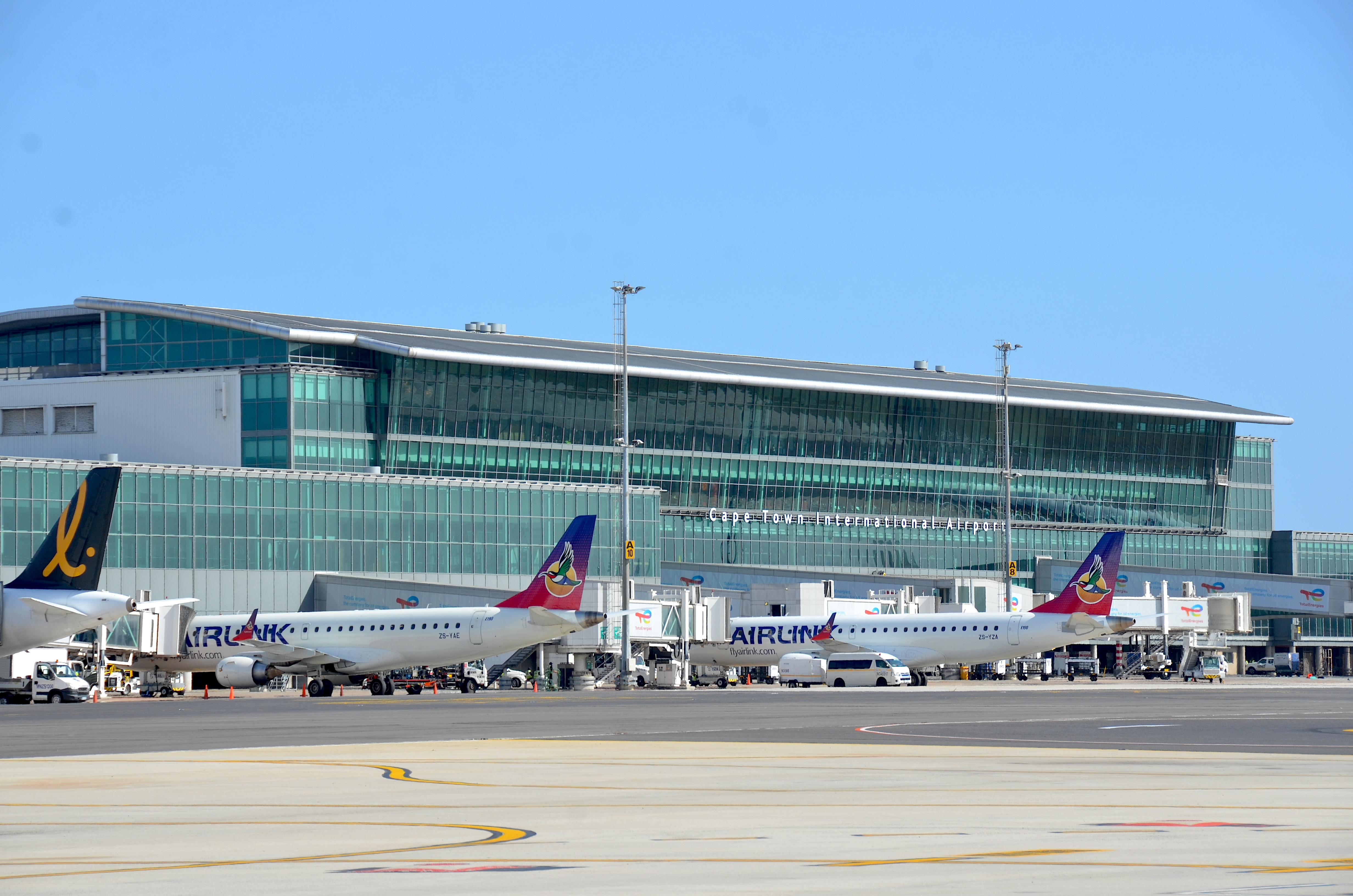
Aviation stability also contends with brittle fuel logistics. South Africa operates with virtually no coastal crude refining capacity following the 2020 fire at Enref and the flood destruction of Sapref in Durban. While Astron Energy supplies Cape Town International Airport from its Milnerton plant, OR Tambo International Airport in Johannesburg burns four million litres of jet fuel daily while depending on the inland Natref refinery for up to 80% of its intake. An unplanned boiler outage at Natref in late August reduced the airport's buffer stock to five days of supply, forcing Transnet to pump imported fuel up the 555-kilometre pipeline from KwaZulu-Natal to keep international flights in the air.
The Remote Work Visitor Visa operates under Section 11(1)(b) of the Immigration Act, authorising foreign nationals employed by overseas entities to reside in South Africa without local employment authorisation. To qualify, an applicant must demonstrate verifiable foreign employment and gross annual remuneration of not less than R650,796. Holders remaining in the country for more than 183 days in a 12-month cycle are required to register with the South African Revenue Service, subjecting their income to domestic tax codes unless exempt under bilateral double taxation pacts.
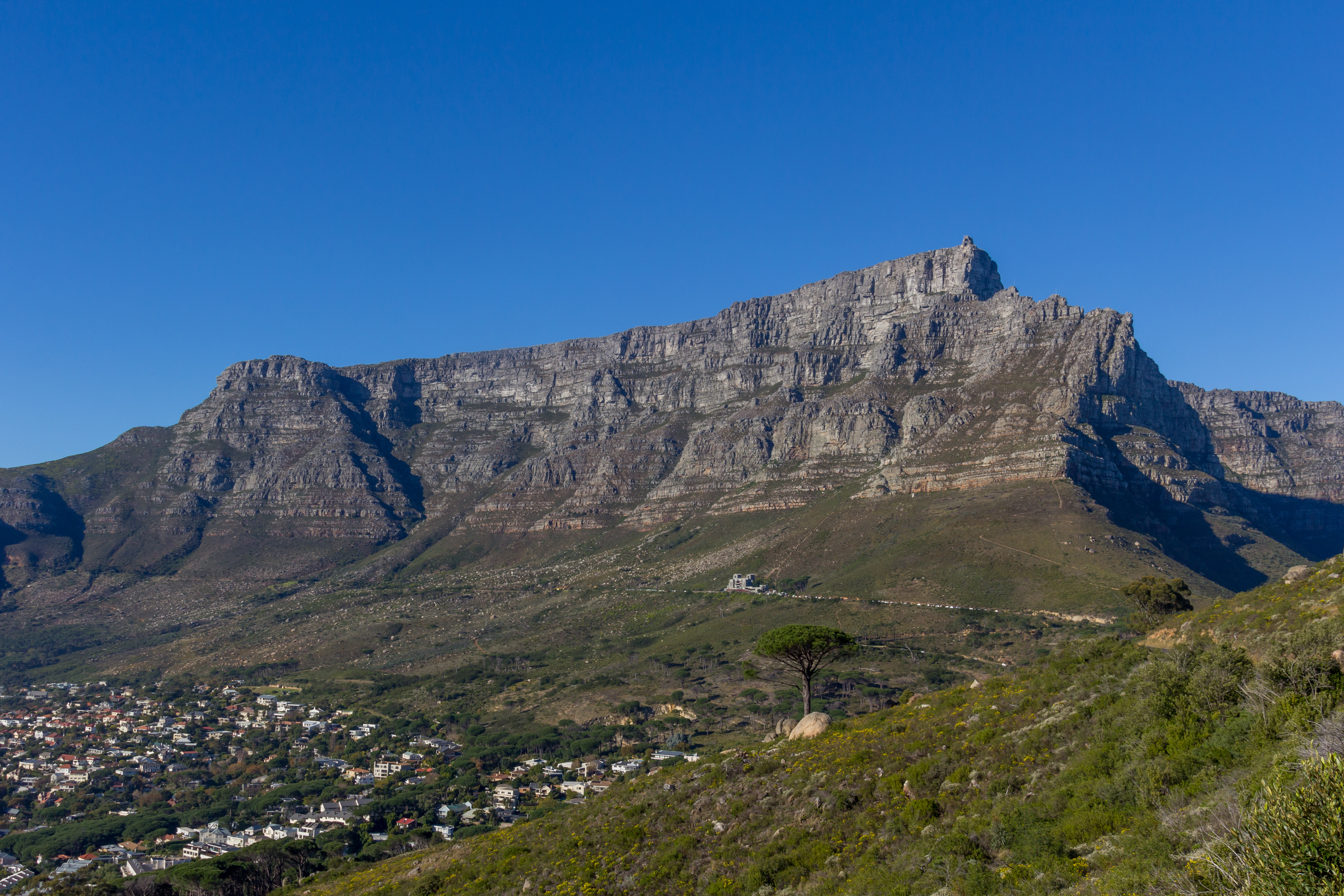
The administrative clearance at Home Affairs reduces visa wait times from several years to a matter of weeks, enabling overseas corporate talent and self-funded remote workers to enter the local economy. For South African households, however, domestic travel remains severely constricted. Flying between Johannesburg and coastal cities now demands early booking and higher portions of disposable income, as airline ticket inflation outpaces headline consumer prices. In tourist centres such as Cape Town, the influx of higher-earning foreign nomads is accelerating long-term residential rental increases across the Atlantic Seaboard and City Bowl.
* Can the Competition Commission ensure genuine fare competition on the Golden Triangle while Harith Aviation seeks to consolidate control over FlySafair and Lanseria International Airport?
* Will the Department of Mineral and Petroleum Resources enforce mandatory 21-day commercial jet fuel reserves before the next unplanned boiler shutdown at Natref paralyses aviation across Gauteng?