President Cyril Ramaphosa has extended the reporting deadline of the Madlanga Commission of Inquiry to Monday, 25 January 2027, moving the arrival of the full findings into police capture and political interference past the municipal election season.
The Presidency announced the revised timetable in an official media statement issued over spokesperson Vincent Magwenya's name on Saturday, 19 September 2026. The government described the decision as a final extension requested by the commission to process additional evidentiary submissions, specifically expert testimony tied directly to its statutory terms of reference. The statement did not publish an amended evidentiary cut-off to replace the October deadline outlined in the previous timetable.
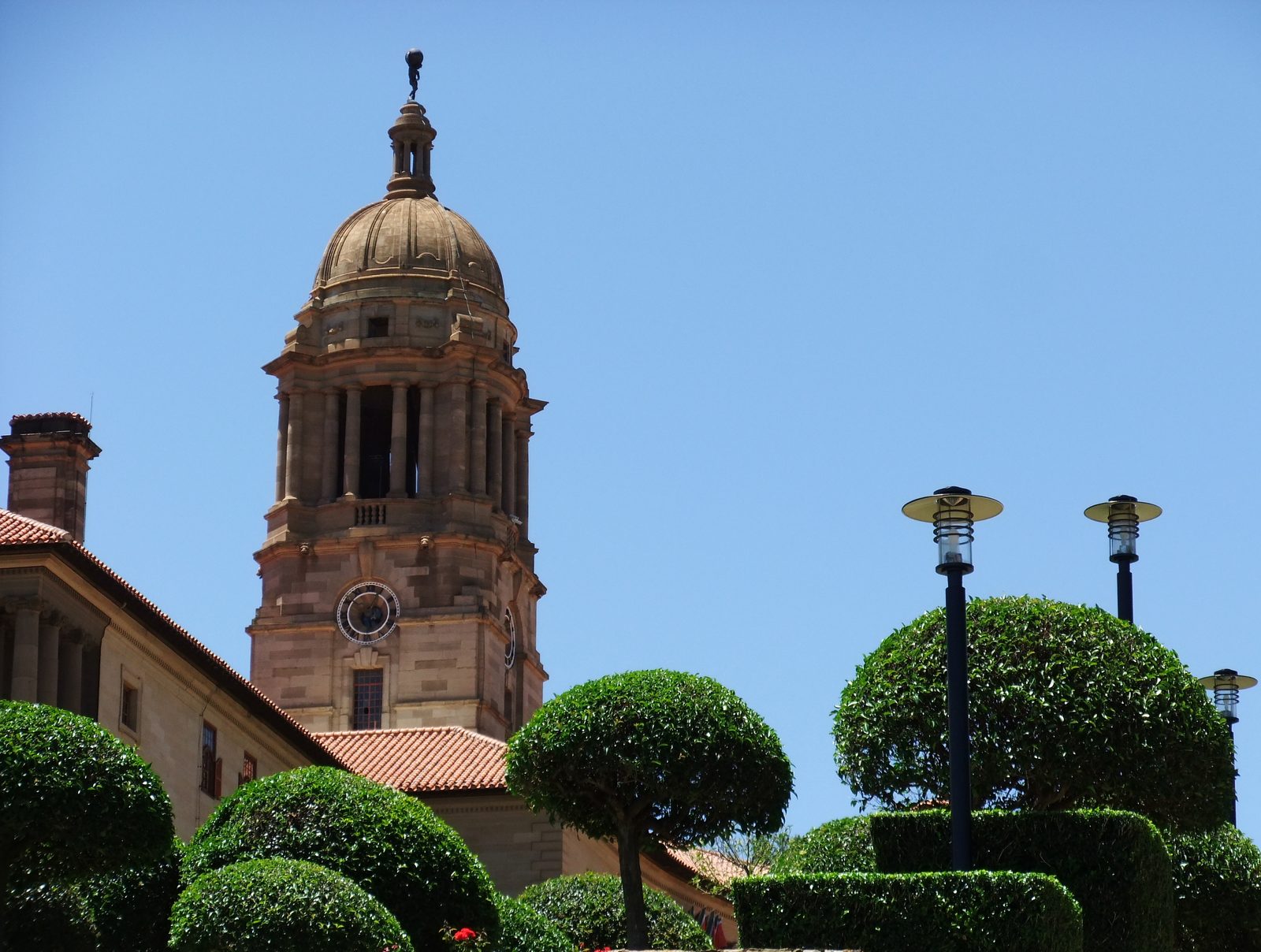
The January 2027 milestone marks the third public clock assigned to the inquiry. The commission delivered its first interim report to the Union Buildings on 17 December 2025, followed by a second interim report on 29 May 2026. President Ramaphosa then granted an extension in July 2026 that set a delivery deadline of 16 November 2026, replacing an original target of August 2026.
That timeline established a critical sequencing dynamic. General Local Government Elections are scheduled for Wednesday, 4 November 2026, and have already been proclaimed a statutory public holiday across the Republic under the Public Holidays Act and the Local Government: Municipal Electoral Act.
Under the previous November deadline, the final report was due to land twelve days after citizens cast ballots. The new January deadline pushes the comprehensive findings out by an additional ten weeks, placing the completed record beyond candidate selection, campaign debates, and council inaugurations.
The Presidency statement did not address the electoral calendar. Instead, it commended Justice Mbuyiseli Madlanga and his secretariat for their ongoing work, adding that law enforcement authorities continue to examine actionable evidence emerging from public testimony. Operational follow-up by investigative bodies, however, remains legally distinct from a completed judicial report tabled before Parliament.
A judicial commission deadline functions as a formal regulatory instrument established under Section 84(2)(f) of the Constitution and the Commissions Act of 1947. While the commission operates with judicial independence, the Head of State exercises statutory authority over reporting milestones and publication timetables.
When the executive approves an extension labelled as final, it formally establishes the legal perimeter within which public findings remain sequestered until presidential release. Under the proclaimed date, the comprehensive institutional record remains non-public until late January 2027.
Voters heading to polling booths on 4 November 2026 will select ward councillors and municipal administrations without the commission's definitive verdict on political interference inside municipal policing entities. While metro forces like the Ekurhuleni Metropolitan Police Department and Johannesburg Metropolitan Police Department have featured prominently in testimony, the official evidentiary conclusions will not be tabled before ballots are cast.
For complainants, whistleblowers, and law enforcement officers named in interim findings, procedural uncertainty continues for another four months. Statutory referrals and disciplinary actions that rely on a final, adopted judicial report remain deferred until the President receives the completed volumes.
* Will the commission issue a revised public sitting schedule and formal cut-off date for public submissions before the December holiday recess?
* How will political parties contest local governance and municipal policing integrity when the definitive state report into law enforcement capture remains pending?
* What mechanism ensures that the January 2027 deadline remains strictly final if technical document processing requires further administrative review?