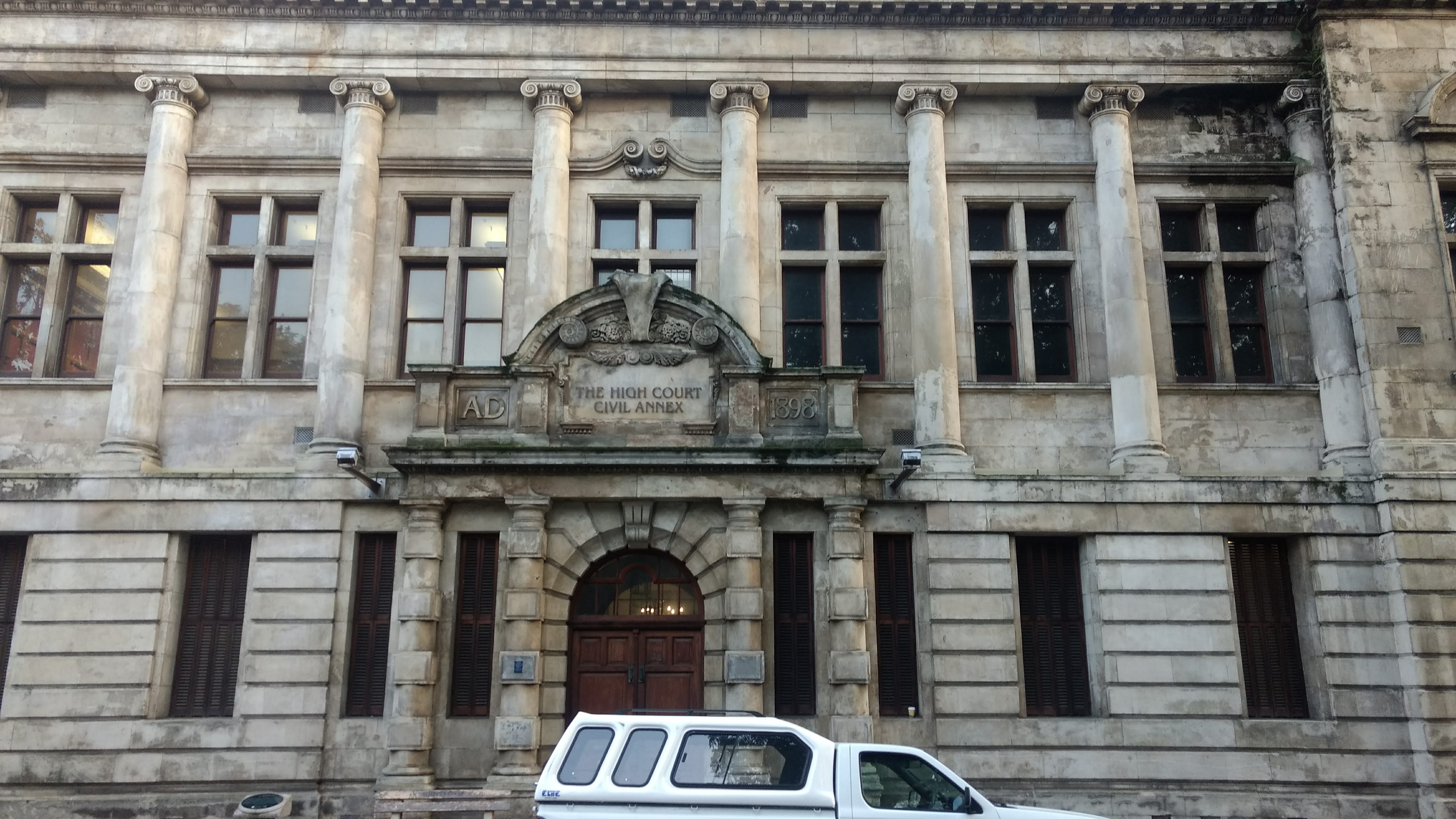
Private fuel trader Nako Energy has filed an urgent liquidation application in the Western Cape High Court against state oil company PetroSA, demanding the winding-up of the national petroleum entity over an unpaid R605m fuel cargo debt. The legal action threatens to place a critical state company into provisional liquidation, jeopardizing R1.4bn in reciprocal petroleum exposure and triggering a severe commercial freeze across South Africa's strategic energy reserves.
The court filing stems from a cargo of unleaded petrol delivered to PetroSA in June 2024, for which state oil executives signed an unconditional Acknowledgement of Debt for R605.5m in May 2025. Nako Energy subsequently ceded the claim to Sandton boutique debt financier Plane Tree Capital, which served a formal statutory demand via law firm ENS claiming R620.5m plus accrued commercial interest. With the 21-day statutory notice expiring without payment, Nako launched liquidation proceedings under Section 344 of the Companies Act on the grounds of commercial insolvency.
The liquidation filing has unmasked a toxic reciprocal debt trap inside the state oil company. Prior to the petrol delivery, PetroSA had sold an imported diesel cargo to Nako Energy on open credit for R832m without demanding standard bank letters of credit. Instead of executing a simultaneous legal set-off that would have left Nako owing PetroSA R227m, PetroSA executives issued a standalone debt acknowledgement to Nako while failing to recover the R832m diesel bill. Because Nako ceded the R605.5m asset to Plane Tree while facing financial distress of its own, PetroSA faces a net commercial loss reaching R1.4bn.
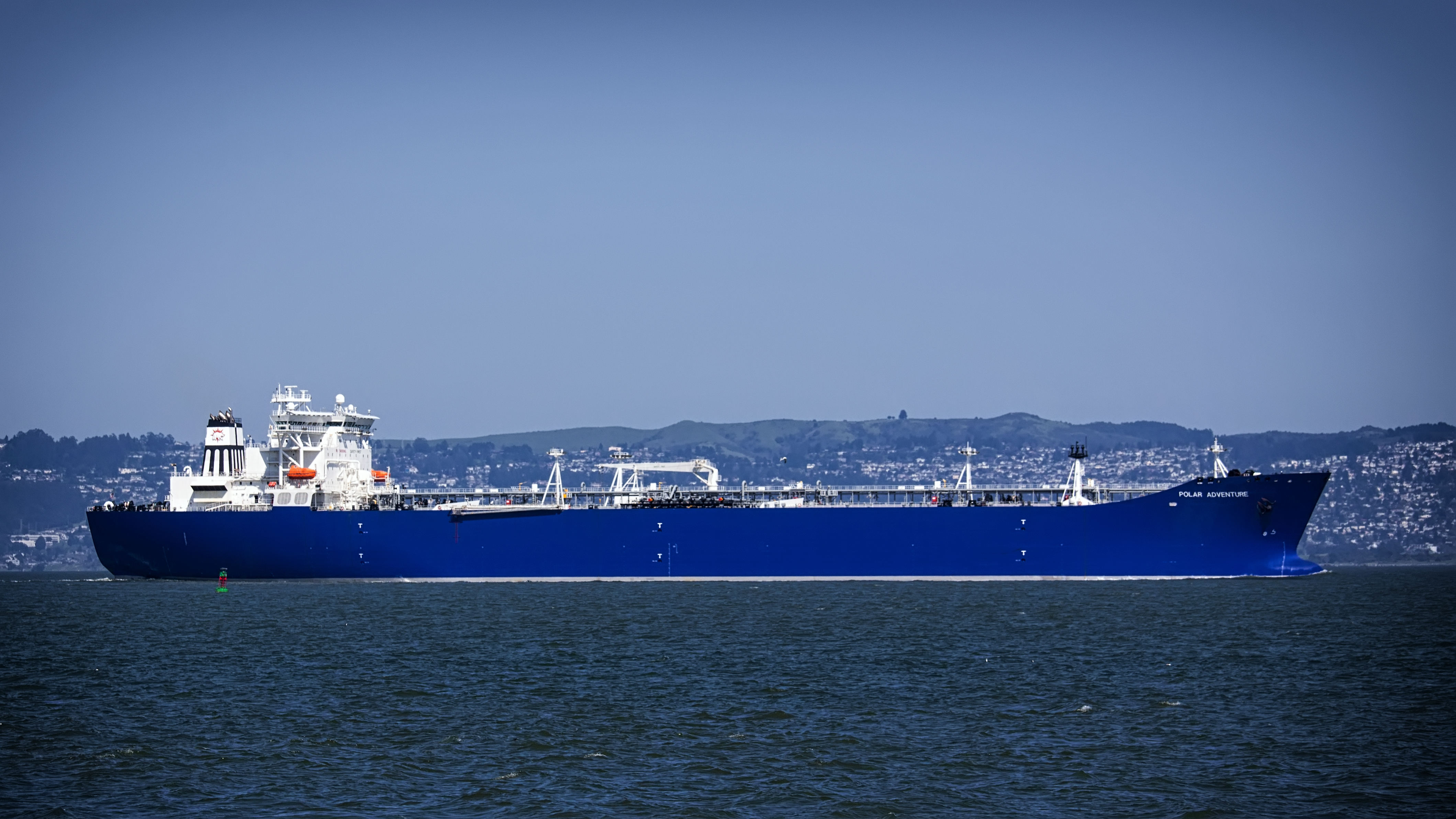
Compounding the financial hemorrhage, the June 2024 petrol cargo was severely contaminated with N-methylaniline, an industrial additive used to artificially raise octane ratings. Fuel testing revealed an additive concentration of roughly 6%, five times above South Africa's statutory limit of 1.2%. The contaminated shipment damaged vehicle fuel pumps and valves across the country, forcing major wholesale oil companies including BP, Engen, and TotalEnergies to reject the product and leave PetroSA holding millions in unsellable stock and port demurrage costs.
PetroSA Acting Chief Executive Officer Nombulelo Tyandela confirmed the High Court application to staff in an internal memorandum, stating the entity has instructed the State Attorney to oppose the liquidation. PetroSA plans to argue common-law set-off regarding the R832m diesel counter-claim and challenge the validity of the debt cession. However, the legal assault strikes a state entity whose balance sheet is already submerged under R20bn in total liabilities against R13bn in assets, resulting in negative net equity of roughly R7bn.
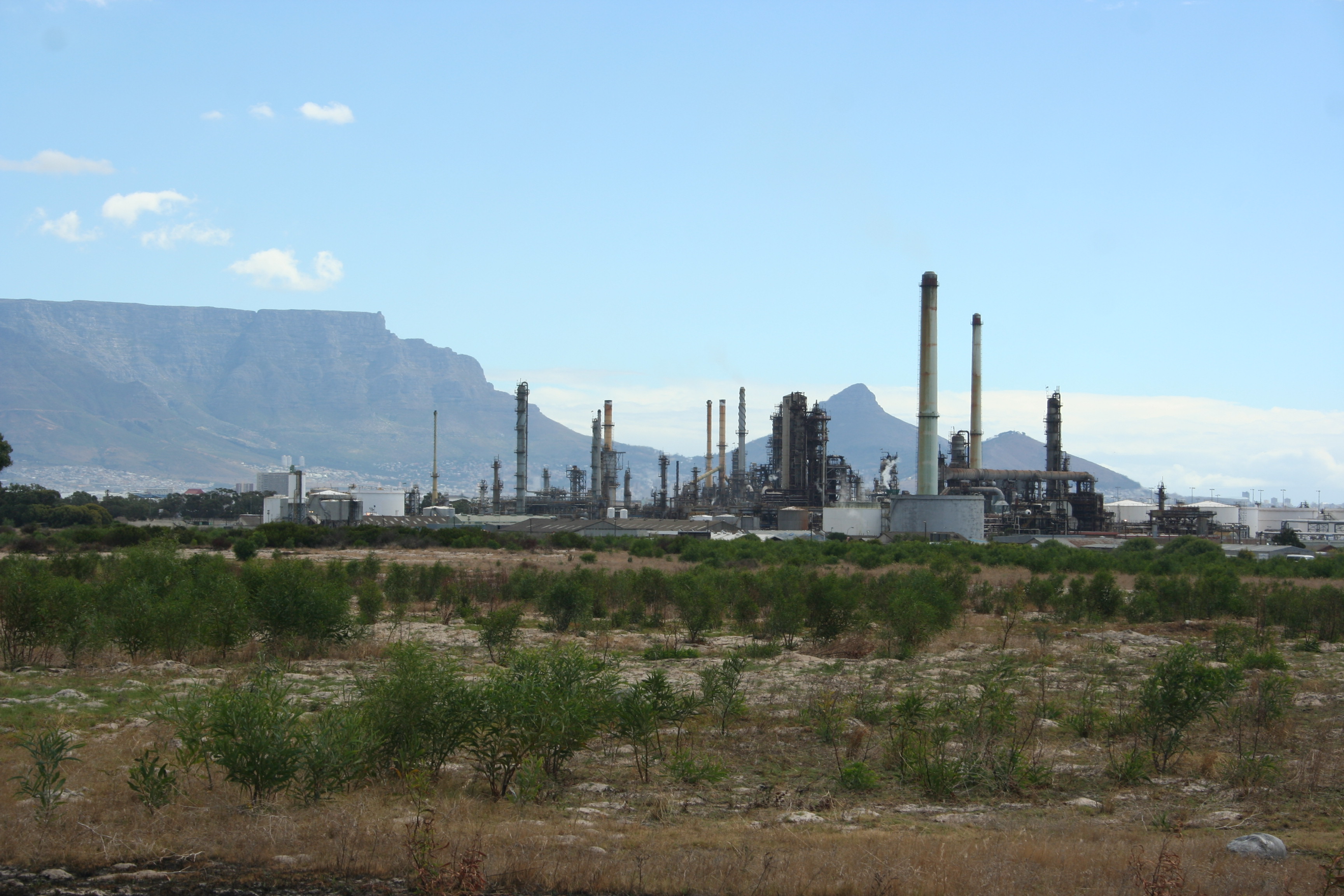
Operationally, PetroSA has been starved of internal cash generation since November 2020, when its flagship 45,000 barrel-per-day Mossel Bay Gas-to-Liquids refinery ran out of domestic offshore gas feedstock following the collapse of the R15bn Project Ikhwezi drilling campaign. A controversial R3.7bn partnership with Russia's Gazprombank Africa to refurbish the plant was formally terminated in September 2025 after the Russian partner failed to fund a basic feasibility study, leaving the plant on care and maintenance.
Commercial insolvency occurs under Section 344 and Section 345 of the Companies Act when a registered corporate entity is unable to pay its debts as they fall due in the ordinary course of business, regardless of whether its total assets technically exceed its liabilities. If a company fails to satisfy or secure a formal statutory demand for a debt exceeding R100 within 21 days, the High Court is empowered to grant a provisional winding-up order, stripping the board of directors of executive authority and vesting all corporate assets in a court-appointed liquidator.
If the High Court grants a provisional liquidation order against PetroSA, the master of the court will freeze the state company's commercial trading operations, disrupting wholesale fuel distribution agreements and throwing coastal shipping bunkering into chaos. For manufacturing industries and food processing plants in the Southern Cape that rely directly on PetroSA's piped industrial gas from Mossel Bay, an operational shutdown would force immediate factory closures and localized electricity turbine curtailments.
For South African taxpayers, PetroSA's collapse threatens another multi-billion rand sovereign bailout. The state oil company carries an unfunded environmental liability of roughly R10bn to decommission abandoned offshore oil wells, alongside R4.5bn in unpaid customs and excise debts claimed by the South African Revenue Service. If the parent Central Energy Fund cannot orchestrate an emergency court business rescue, national treasury will face direct fiscal pressure to prevent the total liquidation of the state petroleum apparatus.
* Will the Central Energy Fund file an urgent Section 131 business rescue application to automatically suspend the High Court liquidation proceedings before a provisional winding-up order is granted?
* What steps will the Special Investigating Unit take to probe how PetroSA executives granted an unhedged R832m open credit facility for imported diesel without requiring irrevocable bank guarantees?
* How will Minister Gwede Mantashe proceed with the planned South African National Petroleum Company merger if its primary operating asset enters formal insolvency proceedings?