
Delivering the keynote address at the Southern African Development Community (SADC) Public Lecture at the University of KwaZulu-Natal’s Westville campus in Durban, Ramaphosa addressed the escalating tensions surrounding migration ahead of the 46th Ordinary Summit of SADC Heads of State.
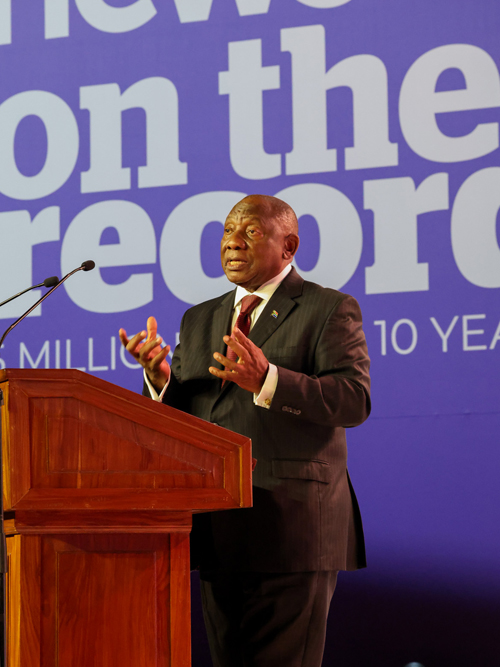
Ramaphosa rejected the actions of vigilante groups that have targeted foreign nationals in workplaces, homes, and public spaces over recent months, calling their conduct a direct violation of regional unity.
"We cannot submit to the intimidation and harassment of people seen as coming from elsewhere," Ramaphosa stated. "As South Africans, we are deeply concerned and ashamed that nationals from other countries have in recent months been subjected to discrimination and ill-treatment. The criminal actions of a few within our communities are a repudiation of the solidarity upon which this regional community was founded."
The President emphasized that Southern Africa's history and economic development are fundamentally built on historical human mobility, warning that South Africa cannot "preach integration at summits and practice exclusion in the streets."
What Ramaphosa’s Speech Signifies
Beyond the diplomatic rhetoric, Ramaphosa's address highlights a critical policy conflict between continental integration and domestic governance.
Under international frameworks like the SADC Vision 2050 and the African Continental Free Trade Area (AfCFTA), South Africa is committed to removing trade barriers and enabling the legal movement of people and skills across borders. However, domestic socio-economic pressures—including high unemployment, strained healthcare systems, and municipal service backlogs—have fueled grassroots populist movements and informal enforcement groups.
By labeling vigilante actions as criminal and anti-pan-African, the head of state is asserting that immigration control is an exclusive prerogative of the state, governed by the Constitution and statutory international protocols—not self-appointed community groups.
Diplomatic & Economic Standing: South Africa’s economic growth relies heavily on trade and investment with neighboring SADC member states. Violent or discriminatory targeting of regional foreign nationals risks retaliatory diplomatic friction, trade disruptions, and safety risks for South African businesses operating across Africa.
The Rule of Law vs. Vigilantism: When informal groups perform illegal documentation checks or forced business closures, the state loses its monopoly on law enforcement. Restoring constitutional order ensures that all residents—citizens and non-citizens alike—are governed by predictable legal standards.
Border Management & Public Services: Addressing public concerns around undocumented migration requires formal state capacity, upgraded biometric border infrastructure, and labor inspections—rather than unlawful street-level enforcement.
How can the South African government effectively address legitimate public concerns over illegal immigration without tolerating vigilantism?
What role should SADC partner nations play in addressing the economic and political push-factors driving cross-border migration?
Have a perspective on this story? Leave your comment below and join the debate on News Definition.