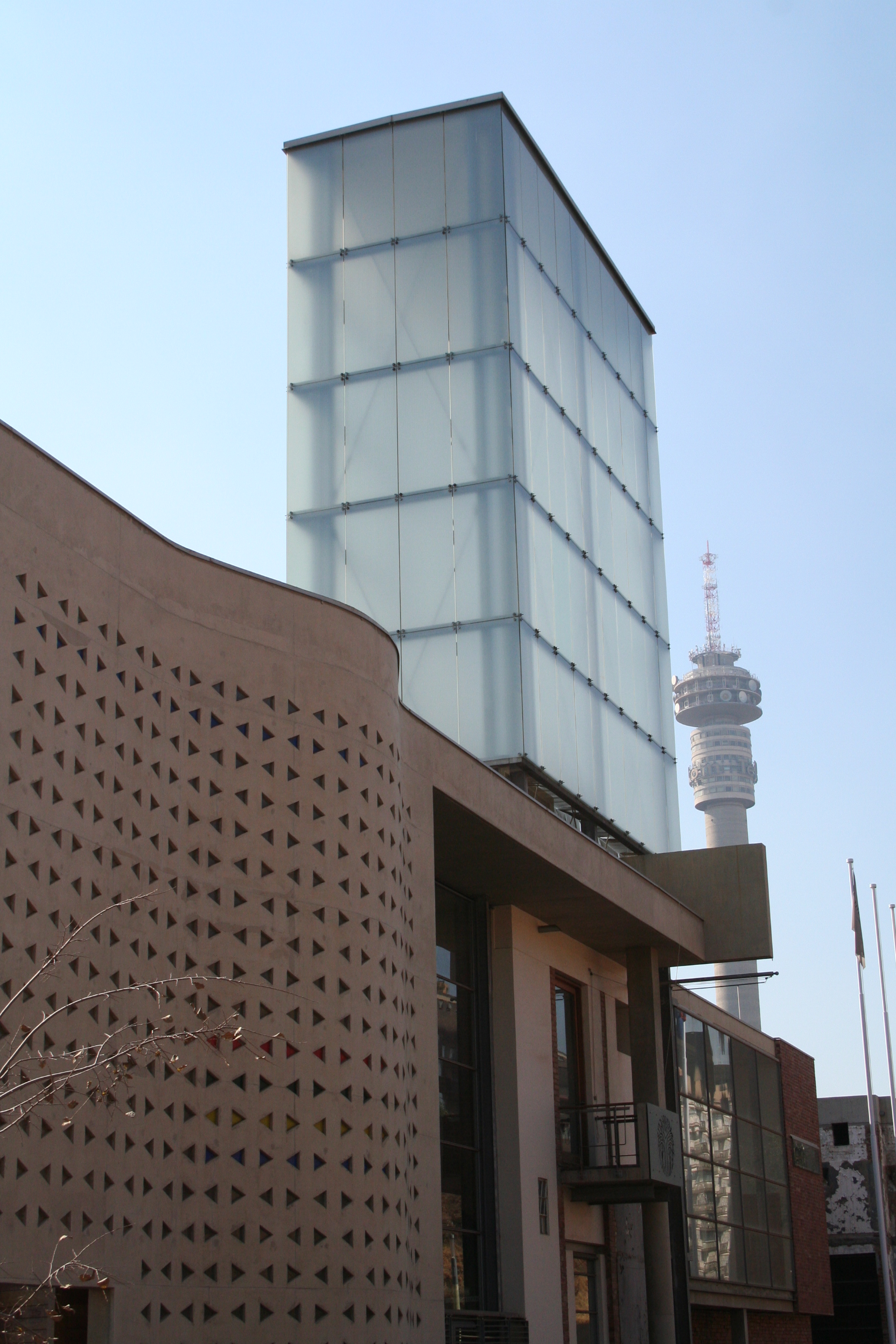
The Madlanga Commission of Inquiry has ordered independent state medical assessments for subpoenaed Crime Intelligence generals as judicial hearings into systemic docket manipulation and covert fund abuses reach an executive showdown in Johannesburg. The inquiry is forensically reviewing over R380 million in unvouched Secret Services Account expenditures deployed to finance unauthorized surveillance and derail organized crime dockets.
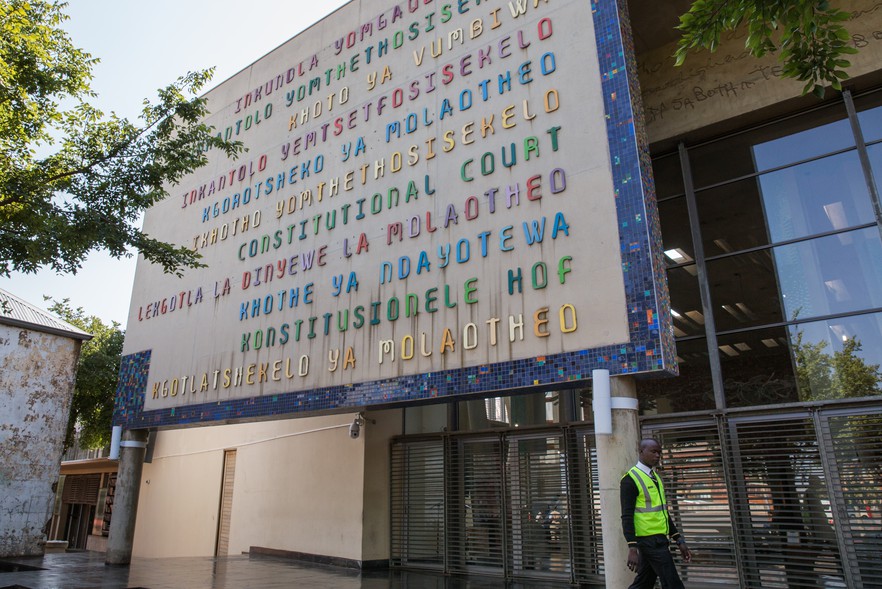
Chaired by Constitutional Court Justice Mbuyiseli Madlanga, the commission has moved to close procedural loopholes after key witnesses, including dismissed Crime Intelligence deputy head Major-General Feroz Khan, submitted medical certificates to postpone scheduled oral testimony.
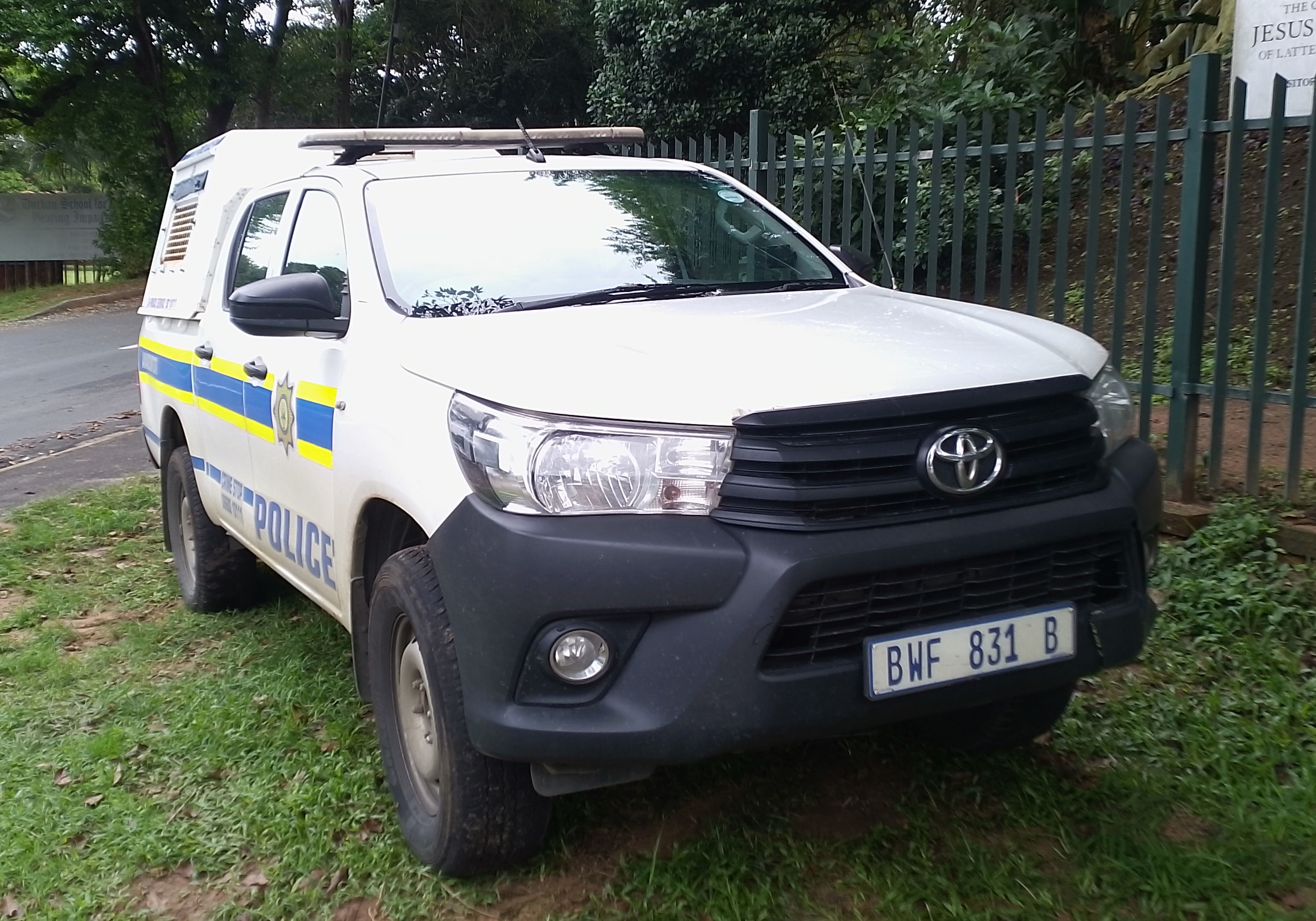
Testimony led by forensic investigators has established a pattern of operational sabotage spanning six provincial commands. Whistleblower dockets submitted under seal reveal that specialized interception equipment and covert operational vehicles were routinely diverted away from high-priority transit heist syndicates to monitor political factions, anti-corruption investigators, and rival senior officers.
The commission’s legal team emphasized this week that internal disciplinary outcomes within the South African Police Service—including administrative dismissals under SAPS discipline regulations—do not extinguish statutory Section 3 subpoenas. Former members remain legally compelled to answer questions under oath regarding missing intelligence ledgers and cash disbursement vouchers.
The Madlanga Commission is a judicial inquiry established under the Commissions Act of 1947, possessing statutory coercive subpoena powers distinct from ordinary employer disciplinary hearings. While an administrative police panel can only dismiss an officer from public payroll, the judicial commission can compel sworn testimony under criminal penalty, override classification shields on state security files, and make direct prosecutorial recommendations to the National Prosecuting Authority.
If you rely on police protection, this inquiry exposes why murder investigations into gang leaders, political assassins, and municipal extortion syndicates frequently collapse before reaching the trial court roll. The systematic gutting of Crime Intelligence left local police stations operating blind without tactical surveillance, while taxpayer funds budgeted for national security were drained through untracked discretionary accounts.
* Will the commission recommend immediate criminal prosecution for accounting officers who signed off on hundreds of millions in unvouched secret service drawdowns?
* Can Justice Madlanga secure the declassification of wiretap logs before implicated generals exhaust procedural review motions in the High Court?