Commercial shipping consortia have diverted over 1,400 container vessels around South Africa’s Cape of Good Hope, abandoning the Suez Canal shortcut as marine war-risk insurance premiums hit 1.2% of total vessel hull value. The maritime detour adds roughly 6,500 kilometers and up to 14 days of sailing time to every voyage between Asia and northern Europe.
That extended transit burns an additional 40 metric tons of heavy fuel oil per sailing day, imposing an estimated $1.8 million in direct fuel and charter surcharges on every ultra-large container carrier bypassing the Middle Eastern chokepoints.
Data released by the International Chamber of Shipping confirms that bulk and container traffic through the Bab al-Mandab Strait remains down 68% compared to baseline seasonal averages. While European and Asian importers face delayed factory deliveries and elevated spot container rates, the sudden traffic surge around the southern tip of Africa has overwhelmed offshore marine services and bunker fuel stations in Port Elizabeth and Durban.
South African bunker suppliers have struggled to capture the full economic dividend of the diverted traffic, hampered by complex domestic customs licensing disputes in Algoa Bay that left international bunker tankers anchored for days awaiting offshore fuel permits.
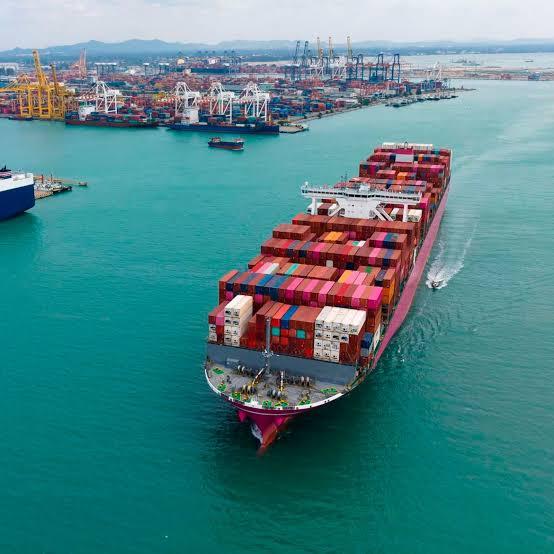
This is a structural rewiring of the primary global maritime artery. The modern containerized supply chain relies on the Suez Canal to handle 12% of worldwide trade. Closing that transit corridor converts global supply chains from just-in-time manufacturing models into high-cost floating storage operations, inflating container leasing rates and tying up global merchant vessel capacity.
If you purchase imported electronics, retail clothing, automotive components, or specialized pharmaceuticals, expect delivery lag times of two to three weeks to remain permanent through the next quarter. Consumer retail prices will steadily reflect the $350-to-$600 carrier congestion surcharges being passed through import clearing invoices.
Why have South African maritime authorities failed to resolve the offshore bunkering regulatory impasse in Algoa Bay while foreign ports reap hundreds of millions in refuelling revenue? How long can global manufacturing plants absorb a two-week shipping buffer before escalating finished-goods inflation?