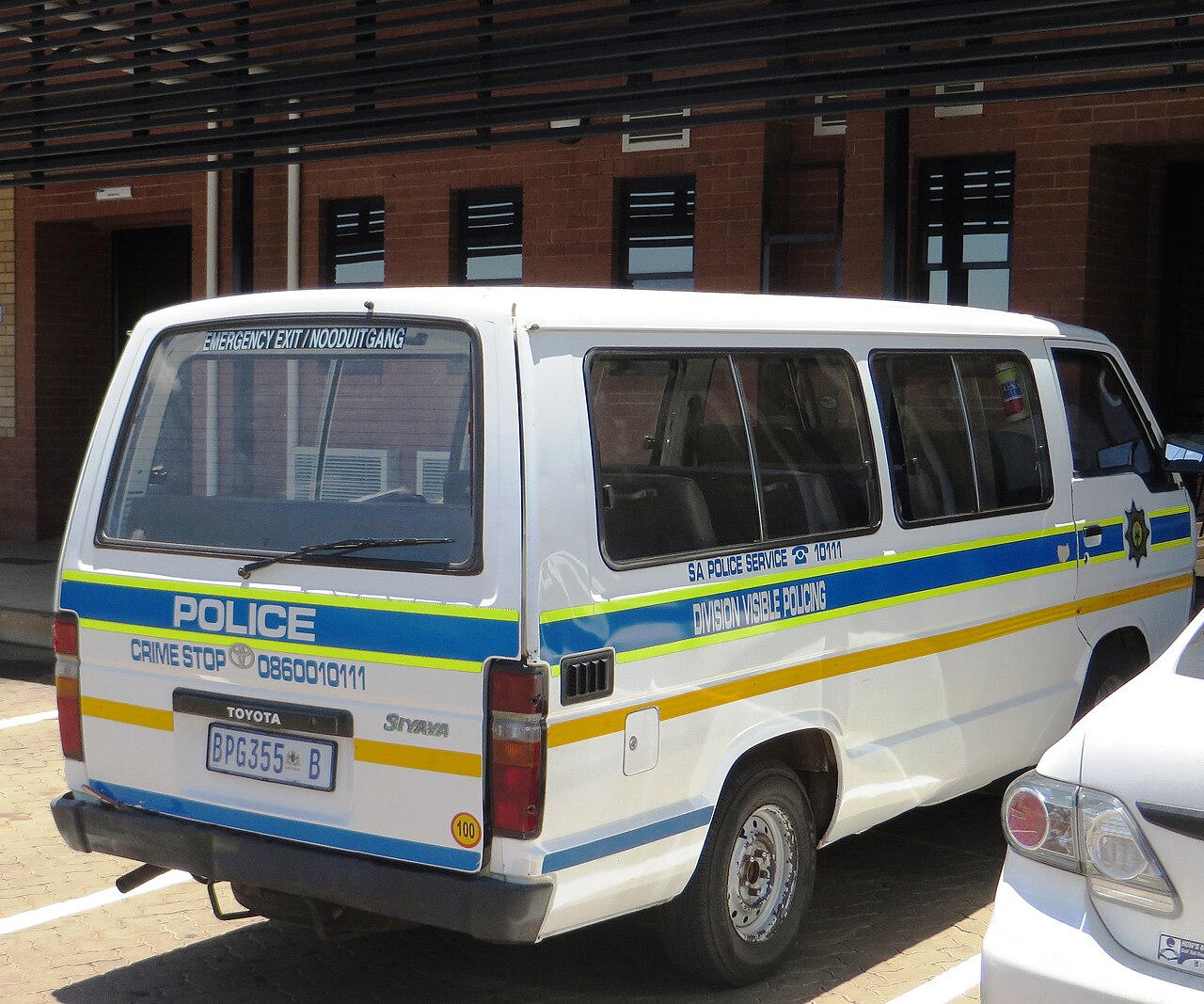
A 28 year old man appeared under heavy police guard in the Strand Magistrates Court on Monday morning to face 11 counts of premeditated murder, six counts of attempted murder, and illegal firearm possession following the massacre at a popular Lwandle tavern.
The court appearance marks the first formal judicial step in the 27 September mass shooting that left 11 patrons dead and six injured at a shisanyama in the Helderberg settlement. Specialized detectives from the Western Cape Anti Gang Unit and Provincial Serious and Violent Crimes unit arrested the suspect on Friday in nearby Nomzamo after a two week intelligence operation. Officers seized a 9mm semi automatic pistol and ammunition during the raid.
Preliminary forensic ballistics tests conducted over the weekend matched the recovered weapon to spent cartridge casings collected at the Lwandle crime scene. Detectives confirmed that ballistic markings from the same firearm also correspond to shell casings recovered from an unsolved mass shooting in July in Kraaifontein, which claimed four lives. The forensic link indicates that the firearm moved through syndicated contract hit networks operating across Cape Town commuter belts.
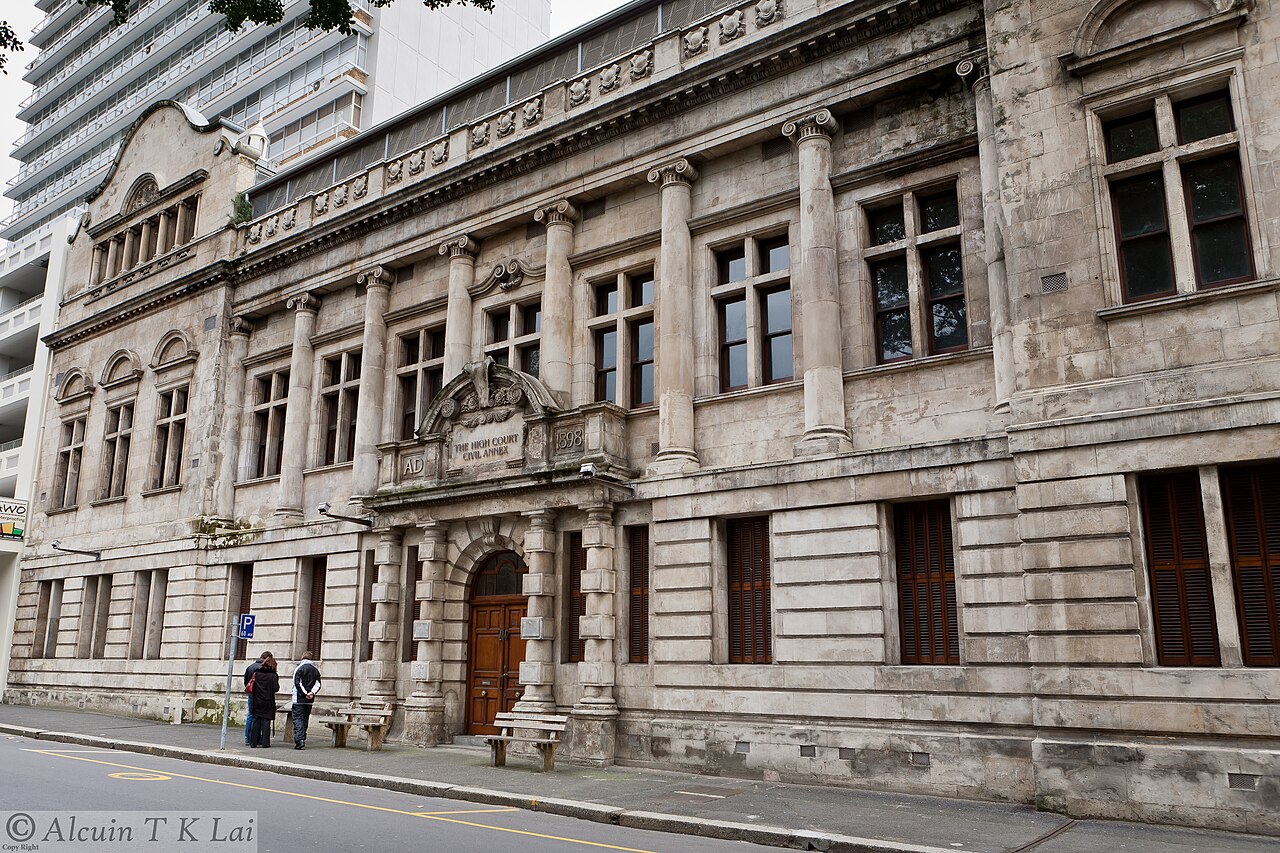
State prosecutors informed the magistrate that the prosecution will strictly oppose bail under Schedule 6 of the Criminal Procedure Act. The State highlighted acute risks of witness intimidation, public order threats, and the flight risk of an accused facing multiple life sentences. The magistrate remanded the accused in custody at Pollsmoor Correctional Centre and postponed proceedings to 20 October for formal bail profiling and legal representation.
The mass shooting tore through the informal economy of the Helderberg basin. Community leaders in Lwandle and Nomzamo reported that violent protection rackets and illicit alcohol distribution syndicates have systematically targeted informal tavern operators. Local business owners describe mounting extortion demands where refusal to pay weekly protection fees results in coordinated armed ambushes.
Ballistic identification relies on unique microscopic rifling striations and firing pin impressions transferred from a gun barrel and breech face onto bullet jackets and cartridge primers during discharge. A forensic match between distinct crime scenes establishes that the identical physical firearm fired rounds at both locations.
Under South African criminal jurisprudence, a ballistic match does not automatically prove that the person arrested with the weapon pulled the trigger in earlier incidents. The State must construct circumstantial and direct timelines to demonstrate physical custody or conspiracy to commit murder during both mass casualty events.
If you live in or operate a small enterprise in Helderberg townships such as Lwandle, Asanda Village, and Nomzamo, the court appearance confirms that organized hit syndicates possess repeating access to untraceable firearms. Community safety depends on whether law enforcement dismantled the broader criminal cell or merely removed a single operative.
Families attending community spaces and informal eateries remain exposed to syndicate crossfire until municipal law enforcement and police intelligence suppress the illegal circulation of recycled handguns and dismantle extortion syndicates at source.
* How many additional gunmen participated in the 27 September Lwandle ambush, and why have remaining accomplices evaded arrest?
* Where did the recovered 9mm firearm originate, and how did it circulate between shooting scenes in Kraaifontein and Lwandle over three months?
* What witness protection protocols are in place for survivors and eyewitnesses whose testimony will determine the trial outcome?
* Will the police ministry deploy dedicated extortion task teams to Helderberg townships to protect informal traders from protection rackets?