
National Treasury has turned off the emergency funding tap to 69 local councils, enforcing a hard fiscal line against municipalities that collect electricity revenue from residents and fail to pay Eskom.
Total municipal debt owed to the national power utility has now climbed past R119 billion. While the City of Johannesburg narrowly avoided bulk supply curtailments by clearing its R5.25 billion overdue electricity balance last week, dozens of smaller and mid-sized councils across the Free State, Mpumalanga, and North West have breached their debt-relief agreements.
Under Section 216 of the Constitution and the Municipal Finance Management Act, Treasury is legally empowered to withhold equitable share transfers when local governments demonstrate persistent financial mismanagement. These quarterly transfers are intended to fund free basic services, including water, refuse removal, and subsidised electricity for registered poor households.
When a municipality defaults on Eskom, it is rarely because residents stopped paying altogether. In most audited councils, revenue collection sits near 70 percent, but the cash collected is routinely diverted into operational payroll, private security contracts, and unbudgeted legal fees instead of being ring-fenced for bulk utility suppliers.
Eskom has made clear to Parliament that it cannot absorb unserviced municipal debt while funding its generation overhaul and grid expansion. The debt relief scheme offers total write-offs of historical arrears over three years, but only if councils pay their monthly current accounts in full and roll out smart prepaid meters. More than half of participating councils have failed those baseline conditions.
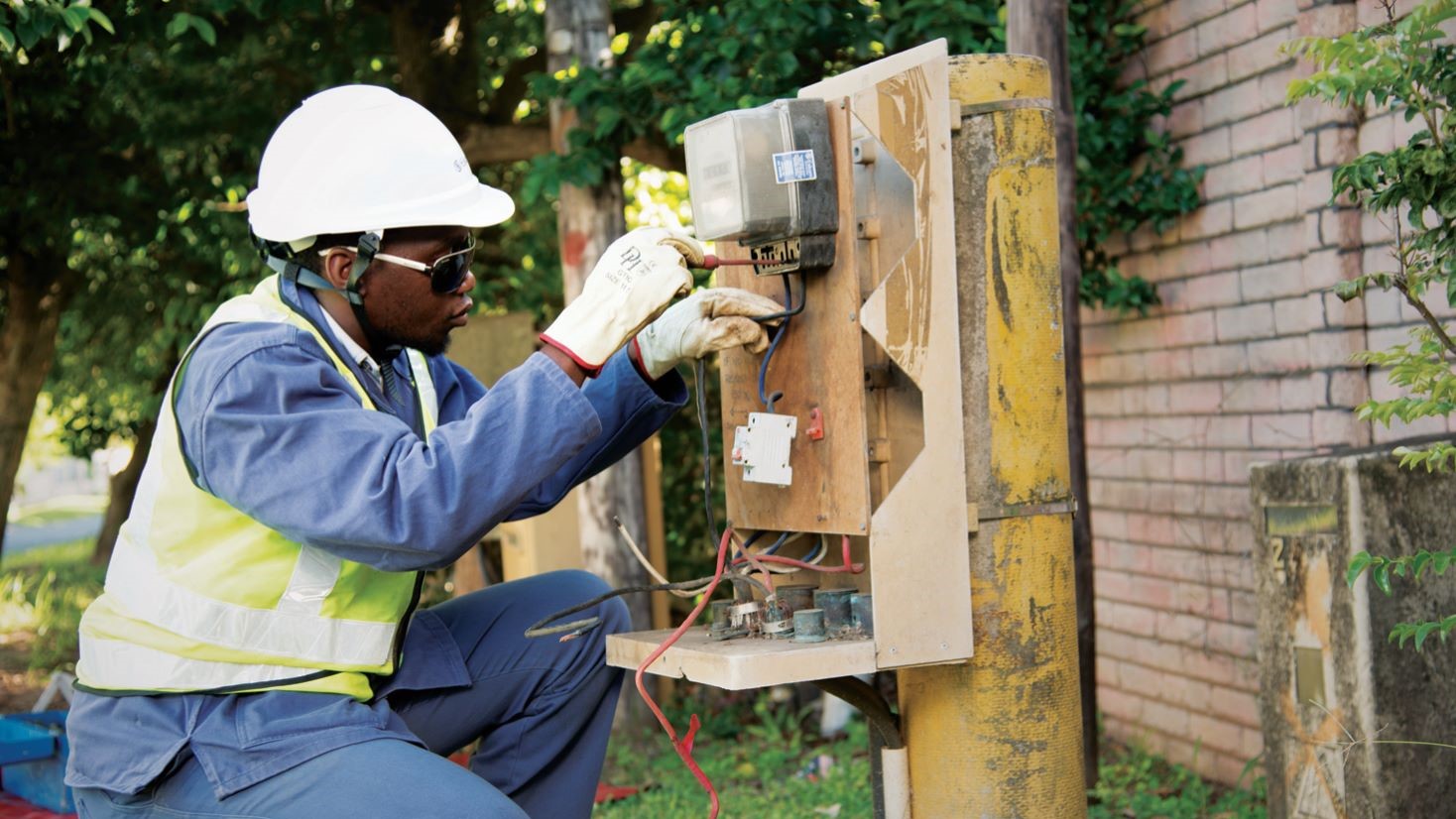
Municipal debt to Eskom is not an abstract corporate accounting deficit. It is money already extracted from citizens through monthly utility bills and prepaid tokens that never made it to Megawatt Park. When National Treasury freezes equitable share disbursements, it stops bailing out insolvent councils with national tax revenue. The standoff pits local fiscal delinquency directly against the central state's borrowing ceiling.
If you live in one of the 69 flagged municipalities, Treasury's freeze hits your daily routine before it touches a politician's salary. Councils starved of equitable share funding immediately slow down maintenance on blown transformers, delay sewage repairs, and increase stealth revenue measures. Expect higher fixed monthly network surcharges, aggressive automated debt deductions on prepaid meter recharges, and zero leniency on disputed billing accounts.
* Will the National Treasury maintain its hard line as the November municipal elections approach, or will political pressure force another round of unconditional bailouts?
* Why have municipal managers and chief financial officers who diverted ring-fenced electricity revenue faced zero individual criminal liability under the MFMA?
* If a council cannot collect 30 percent of its billed revenue today, how will smart meter mandates fix an administration that refuses to disconnect connected defaulters?