Suspended police detective head Shadrack Sibiya resigned during an internal disciplinary hearing before his bail bid collapsed into explosive audio leaks at the Randburg Magistrates Court on Monday.
The State submitted evidence detailing alleged criminal docket fixing and direct death threats across hundreds of intercepted recordings.
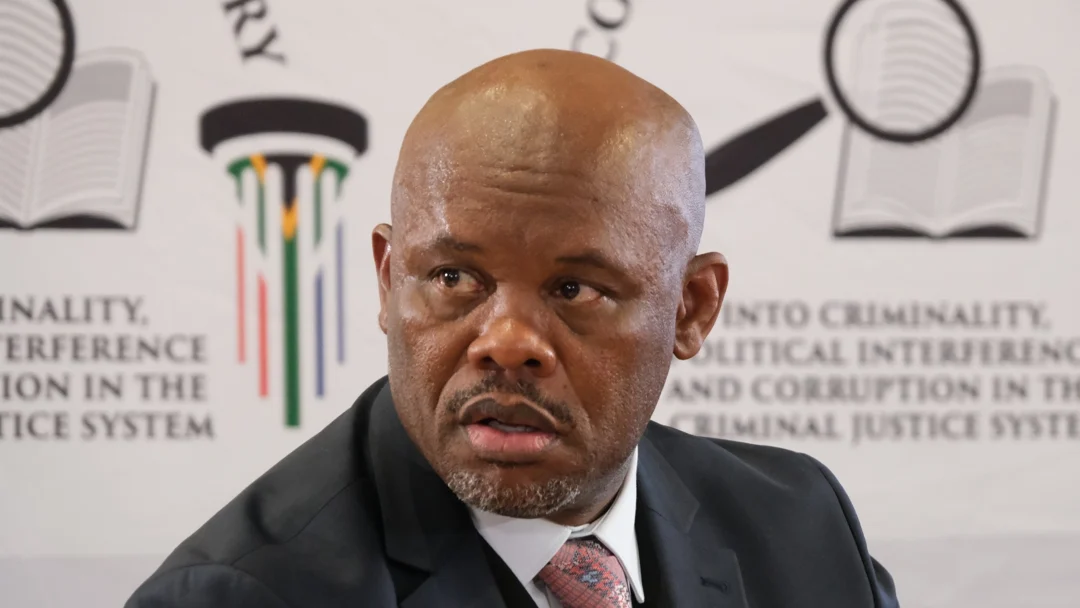
Prosecutor Velile Makasana opposed bail under Schedule 6 of the Criminal Procedure Act. The charges include the rape of an 18 year old at a Sandton hotel, human trafficking, sexual grooming of a 16 year old girl, and contraventions of the Firearms Control Act.
State evidence introduced in court unsealed 300 private audio recordings captured by Sibiya former VIP bodyguard, identified on the record as Mr M. Mr M is also the father of the 16 year old grooming victim.
The recordings document Sibiya transferring sums of R4,000 and R10,000 to the bodyguard. Sibiya also provided his personal bank card for family groceries and referred to the bodyguard as his younger brother.
The relationship fractured once criminal complaints reached senior investigators. In subsequent recordings, Sibiya shifted from financial patron to direct intimidation. He warned that he could deal with Mr M very quickly and easily.
Mr M submitted a sworn affidavit detailing the intimidation. The bodyguard stated under oath that Sibiya claimed to know his home address and warned he could wipe out his entire family.
Court records also confirm Mr M confronted Sibiya wife, Sizakele Dlamini, after she filed a sworn affidavit in support of her husband bail application.
The court heard a separate 25 minute leaked audio recording featuring Johannesburg businessman Serge Cabonge. The recording details alleged backchannel negotiations involving Sibiya, senior police executives, and controversial businessman Vusimuzi 'Cat' Matlala.
Matlala has previously faced public scrutiny over the Medicare24 tender scandal and attempted murder cases. The leaked conversation canvasses the suppression of criminal dockets, political interventions, and systemic fixing inside the detective division.
The court proceedings followed a preemptive move inside police headquarters on Sunday. Sibiya legal team tendered his resignation during an internal disciplinary process, and police national management immediately executed a dishonourable discharge.
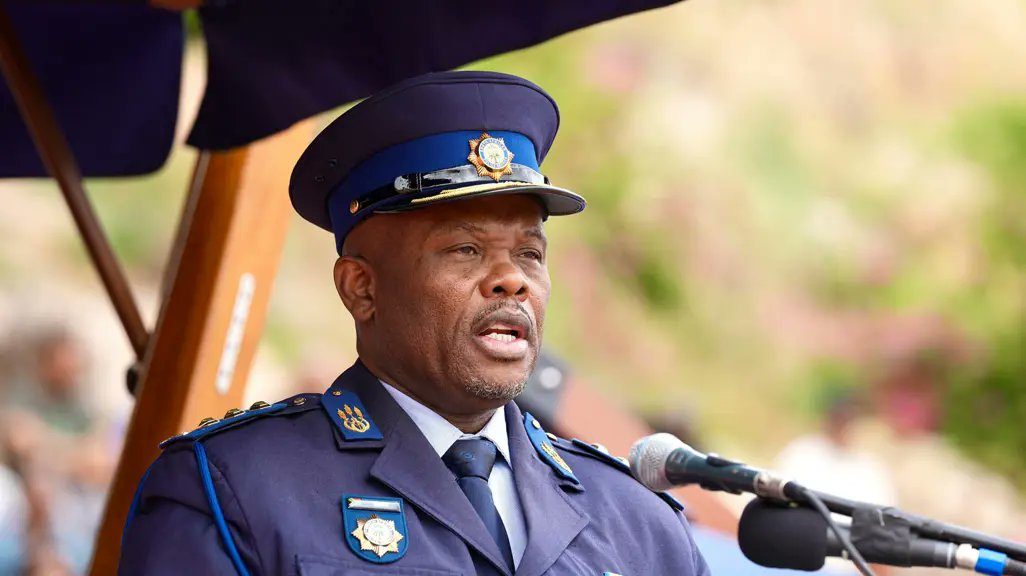
Schedule 6 of the Criminal Procedure Act 51 of 1977 places the highest legal hurdle on an accused person seeking release before trial. Under this framework, an applicant must satisfy the court that exceptional circumstances exist which in the interests of justice permit release.
A dishonourable discharge from the South African Police Service strips a dismissed officer of all policing rank, official standing, and statutory protections. The discharge bars the individual from holding public policing office in the future.
When senior police executives face sworn allegations of docket manipulation and witness intimidation, public trust in criminal justice collapses. Ordinary citizens rely on the detective division to investigate violent crime without syndicate control or executive interference.
The disclosure of secret financial transfers and docket fixing reveals the severe operational risks facing whistleblowers and victims when reporting crimes against powerful state figures.
* Will the National Prosecuting Authority subpoena bank records to verify the cash transfers and backchannel payments detailed in the 300 audio recordings?
* What steps will the Independent Police Investigative Directorate take to audit the criminal dockets named in the 25 minute Serge Cabonge recording?
* How will the court assess the risk of witness intimidation given the sworn affidavit filed by Sibiya former bodyguard?