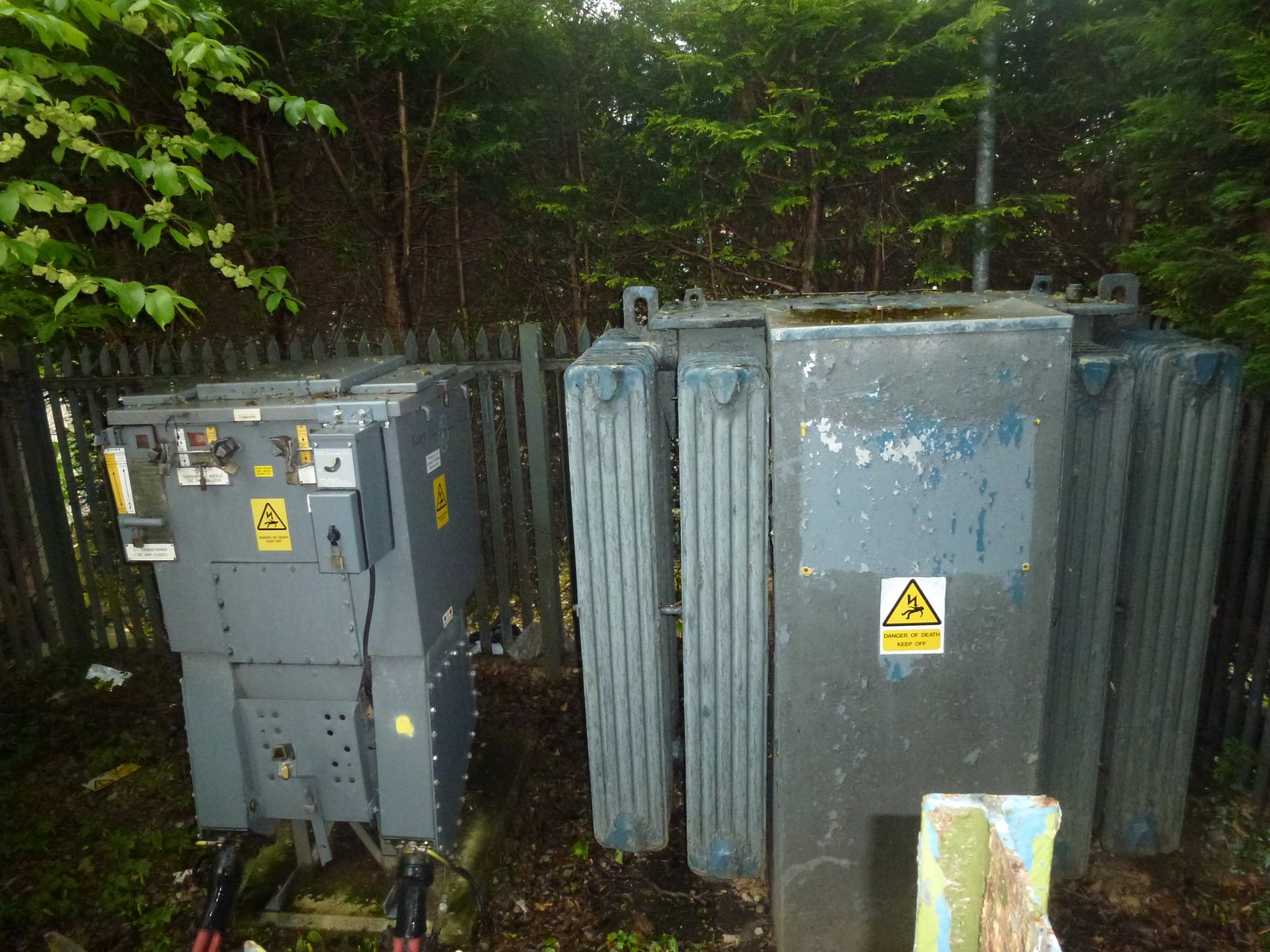
Johannesburg inner city did not get a normal Thursday morning as vast stretches of the central business district remained without electricity. Municipal power utility City Power confirmed that the blaze at its Central Substation over the weekend is the third fire to strike the same installation within thirty days and the sixth major incident recorded at the site since January 2026.
The cascading outages have paralysed commercial trading, residential high rises, and health clinics across Marshalltown, Newtown, and adjacent commercial precincts. City Power spokesperson Isaac Mangena stated that technical teams cannot commit to a restoration timeline while forensic assessments and high voltage equipment testing remain underway in the subterranean cable network.
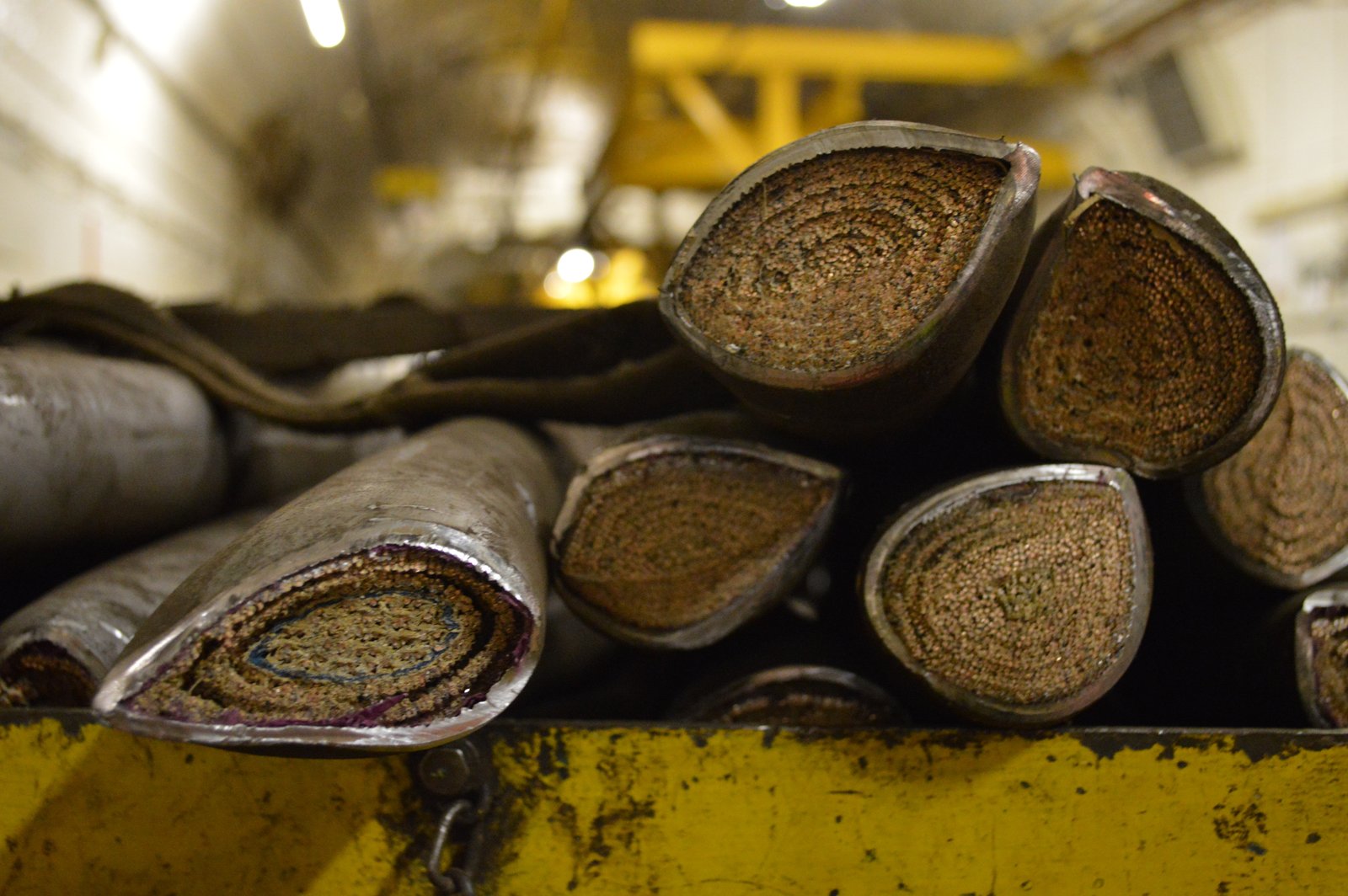
Utility executives disclosed that four of the six fires recorded at the Central Substation this year involved deliberate cable theft or infrastructure vandalism. On 28 September, emergency response teams entering the underground cable tunnels recovered an axe, a heavy jigsaw, and freshly severed copper wiring before handing the physical evidence to the South African Police Service.
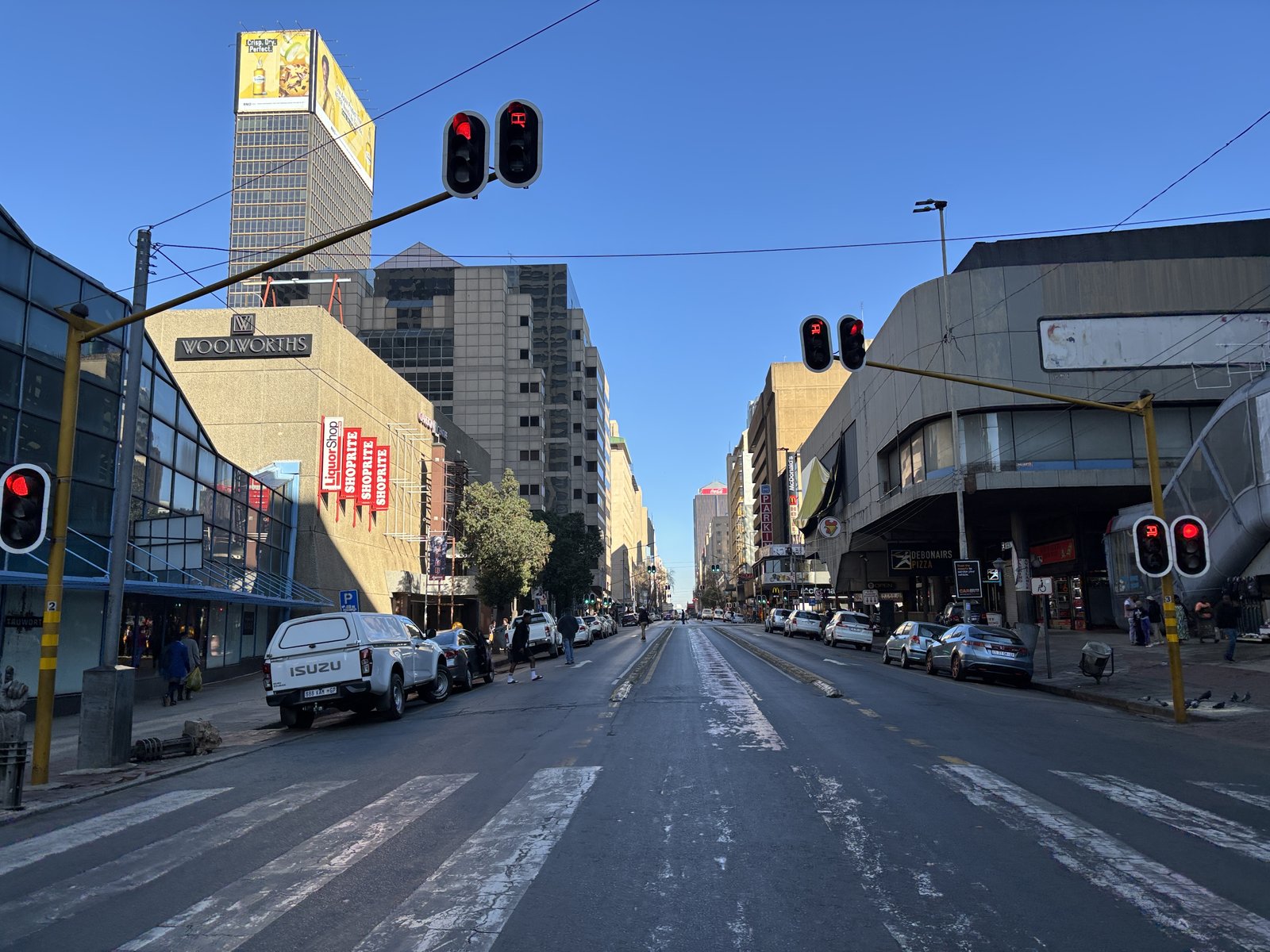
The recurring destruction at a single nodal installation exposes the vulnerability of municipal bulk power supply across the commercial capital of South Africa. While suburban residents frequently face localized distribution faults, the Central Substation operates as a critical high voltage junction feeding the judicial precinct, government provincial headquarters, corporate banks, and small trading enterprises along Commissioner, Pritchard, and Market streets.
The physical damage has forced small business owners to run costly diesel generators or discard spoiled perishable stock. Informal traders and restaurant kitchens across the inner city report operating at severe losses, while residential apartment blocks have been left without water pressure due to stalled electric booster pumps.
The breakdown intersects directly with a mounting capital expenditure emergency across Johannesburg. An infrastructure analysis published this week by the Centre for Development and Enterprise documented that City Power faces an estimated R44 billion maintenance and refurbishment backlog. The policy paper warned that chronic underinvestment, aging transformers, and unshielded underground tunnels leave strategic municipal assets completely exposed to organized criminal scrap metal syndicates.
City Power technicians have attempted to reroute electrical loads through secondary feeders, but excess network strain and damaged switchgear have repeatedly tripped emergency breakers. Utility management cautioned that restoring power prematurely without completing insulation resistance tests risks triggering secondary explosions across the subterranean network.
Law enforcement agencies face growing scrutiny over their failure to secure the underground service corridors that crisscross the inner city. Despite regular joint patrols by the Johannesburg Metropolitan Police Department and private security contractors, illicit scrap syndicates continue to penetrate secure manholes and access service tunnels beneath major arterial roads.
The South African Police Service has registered criminal dockets for damage to essential infrastructure under the Criminal Matters Amendment Act 18 of 2015. While police placed a severely burnt suspect under armed guard at Chris Hani Baragwanath Academic Hospital after he was treated at Hillbrow Clinic, investigators have yet to apprehend the wider syndicate accomplices who abandoned the axe, jigsaw, and severed copper in the tunnels. That ongoing hunt leaves downtown businesses with zero clarity on when the criminal siege of their power grid will end.
The prolonged disruption in central Johannesburg is not an ordinary technical fault or a scheduled load reduction event. It represents systemic infrastructure sabotage targeting a concentrated municipal asset that lacks perimeter physical security and continuous electronic surveillance.
Under the Criminal Matters Amendment Act, tampering with or destroying basic municipal infrastructure carries strict bail conditions and severe custodial sentences upon conviction. Yet the persistence of six blazes at a single substation demonstrates that the illicit domestic copper market continues to outpace municipal policing capacity. Without physical concrete barriers, automated gas fire suppression systems, and dedicated armed guarding at subterranean access portals, repairs executed by municipal technicians will remain temporary stopgaps against repeat incursions.
* Small Business Disruption: If you run a retail store, butchery, hair salon, or commercial kitchen in the Johannesburg inner city or Marshalltown, expect continued business interruption. Operating generators consumes daily operating cash, and without an official restoration date you cannot safely restock perishable inventory or plan staff shifts.
* Residential Living Conditions: Residents living in high rise apartment blocks across the CBD face ongoing outages affecting security gates, interior lighting, and water supply. When main electricity feeds fail, electric pump stations cannot lift municipal water to upper floors, which introduces immediate sanitation challenges.
* Inner City Traffic Congestion: Major intersections across Commissioner, Eloff, and Harrison streets lack functional traffic signals during the blackout. Commuters using minibus taxis and private vehicles should budget for severe travel delays during morning and evening peak hours.
* Public Healthcare Risks: Local medical clinics and pharmacies rely on emergency battery backups to maintain refrigerated cold chain storage for vaccines and chronic medications. Prolonged blackouts without a firm restoration hour threaten critical supplies and force facilities to divert patients.
* Why has the City of Johannesburg failed to deploy permanent tactical guarding and electronic surveillance at Central Substation after five prior fires this year?
* What progress has the South African Police Service made in tracing the scrap metal syndicates linked to the axe, jigsaw, and cut copper recovered from the tunnels on 28 September?
* How will City Power fund the repairs when the Centre for Development and Enterprise estimates the municipal utility already carries a R44 billion infrastructure backlog?
* When will municipal engineers provide a binding feeder by feeder restoration schedule so businesses and residents can plan their daily operations?