Dermatologists across South Africa's major public academic hospitals are treating hundreds of patients each month for irreversible chemical disfigurement and systemic organ failure caused by illegal skin-lightening creams.
The underground trade moves tens of thousands of banned chemical units through inner-city transit markets every week, generating an estimated R350m in illicit annual turnover while dumping millions of Rands in reconstructive treatment costs onto provincial health budgets.

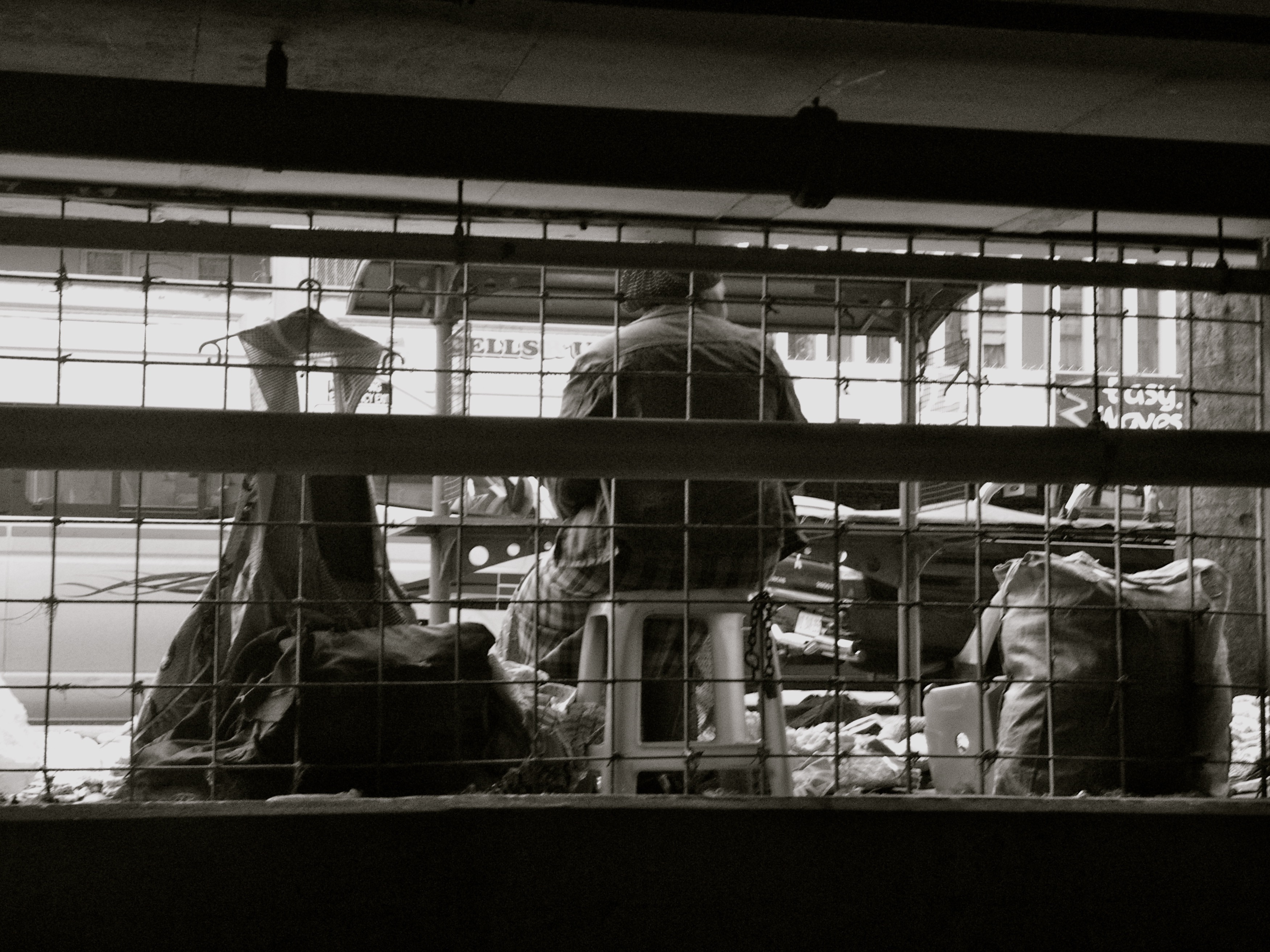
On the pavement stalls of Bree Street in Johannesburg, Warwick Junction in Durban, and the Bellville station deck in Cape Town, unlabelled tubes of Caro White, Betasol, and Epiderm sell openly for R35 to R80. Street traders stack them alongside legitimate soaps and hair extensions. The packaging promises rapid complexion clearing within seven days. The chemical reality inside those plastic tubes is a volatile cocktail of clobetasol propionate, industrial hydroquinone, and toxic mercury.
South Africa was the first country in the world to outlaw hydroquinone in cosmetics in August 1990, responding to sustained campaigns by anti-apartheid activists and the Black Consciousness Movement against racially coded beauty standards. That historic victory created a strict legal standard on paper. On the street, it created an underground smuggling pipeline spanning three continents.
Consignments manufactured in West Africa, South Asia, and unregulated export facilities in Europe enter South Africa through the Beitbridge border post with Zimbabwe and the Lebombo border with Mozambique. Syndicates declare multi-tonne shipments as generic body lotions, raw petroleum jelly, or hair conditioner. Border inspectors lack the chemical testing equipment to verify the contents of sealed containers on the inspection ramp.
Laboratory assays conducted by the University of Cape Town Hair and Skin Research Laboratory at Groote Schuur Hospital revealed that nearly 80% of cosmetic creams purchased from informal traders contained prohibited substances. Over half contained clobetasol propionate, a Schedule 4 prescription corticosteroid 600 times more potent than hydrocortisone. Medical doctors reserve clobetasol for severe, short-term inflammatory psoriasis under strict clinical monitoring.
When applied daily to facial tissue, clobetasol causes immediate artificial lightening through intense vascular constriction. The blood vessels contract, draining colour from the skin. Within weeks, the epidermis thins to parchment. Microscopic tears form across the cheeks, accompanied by severe steroid rosacea, secondary fungal infections, and permanent stretch marks. Because the steroid enters the bloodstream through facial capillaries, it shuts down the adrenal glands, triggering secondary Cushing's syndrome, chronic hypertension, and sudden metabolic collapse.
Simultaneously, illegal hydroquinone concentrations ranging from 4% to 8% trigger exogenous ochronosis. Instead of lightening the complexion, the chemical oxidises inside the deep dermis, producing microscopic dark granules that bind permanently to collagen fibres. The skin develops a coarse, slate-grey and bluish-black mask covered in dark papules. The condition is permanent. No laser therapy, chemical peel, or surgical intervention can remove the pigment once it deposits in the dermis.
At the University of KwaZulu-Natal, Professor Ncoza Dlova has tracked an even more lethal consequence: invasive squamous cell carcinoma. By chemically destroying the patient's eumelanin, these creams strip away the skin's natural defence umbrella against solar radiation. Depigmented skin exposed to the intense African sun suffers rapid cellular DNA damage, turning cosmetic application into an oncology crisis.
Enforcement between state bodies has collapsed into an administrative jurisdictional void. The South African Health Products Regulatory Authority exercises jurisdiction over registered therapeutic medicines under Act 101 of 1965, but disclaims responsibility for routine pavement trade inspections. The National Department of Health oversees the Foodstuffs, Cosmetics and Disinfectants Act 54 of 1972, leaving enforcement to municipal environmental health inspectors who possess neither budget nor field testing kits. Periodic joint raids by the police seize R1.5m batches in commercial warehouses, but street vendors restock from residential storage apartments within forty-eight hours.
Cosmetic regulation in South Africa is split between two separate statutes: the Foodstuffs, Cosmetics and Disinfectants Act 54 of 1972, which prohibits toxic ingredients in personal care items, and the Medicines and Related Substances Act 101 of 1965, which controls active pharmaceutical compounds.
Under these laws, hydroquinone is prohibited in over-the-counter cosmetics and restricted to Schedule 3 or 4 medical prescriptions at a maximum concentration of 2%. Clobetasol propionate is a Schedule 4 substance available strictly by doctor prescription. Mercury is restricted under the Minamata Convention to a trace maximum of 1 part per million. Selling unlabelled formulations containing these compounds constitutes a criminal offence punishable by financial fines and imprisonment.
Buying an over-the-counter brightening cream from a street stall, spaza shop, or unregulated online vendor exposes you to irreversible dermatological mutilation and permanent kidney damage.
A R45 tube of imported cream can destroy your natural facial collagen within three months, causing permanent bluish-black facial staining, severe skin thinning, and chronic steroid dependence. Treating the resulting skin damage requires private dermatological care costing upwards of R15,000, with no medical guarantee of reversal. If you or a family member use these products, stop immediately and seek medical assessment at a public hospital dermatology clinic.
* Why has the Department of Health failed to operationalise the Cosmetics Regulations published under Government Notice R. 3267, which require mandatory manufacturer tracking portals and imported chemical testing?
* Will the Border Management Authority establish on-site chemical testing labs at Beitbridge and Durban harbour to halt bulk cosmetic smuggling before shipments reach inner-city wholesale networks?