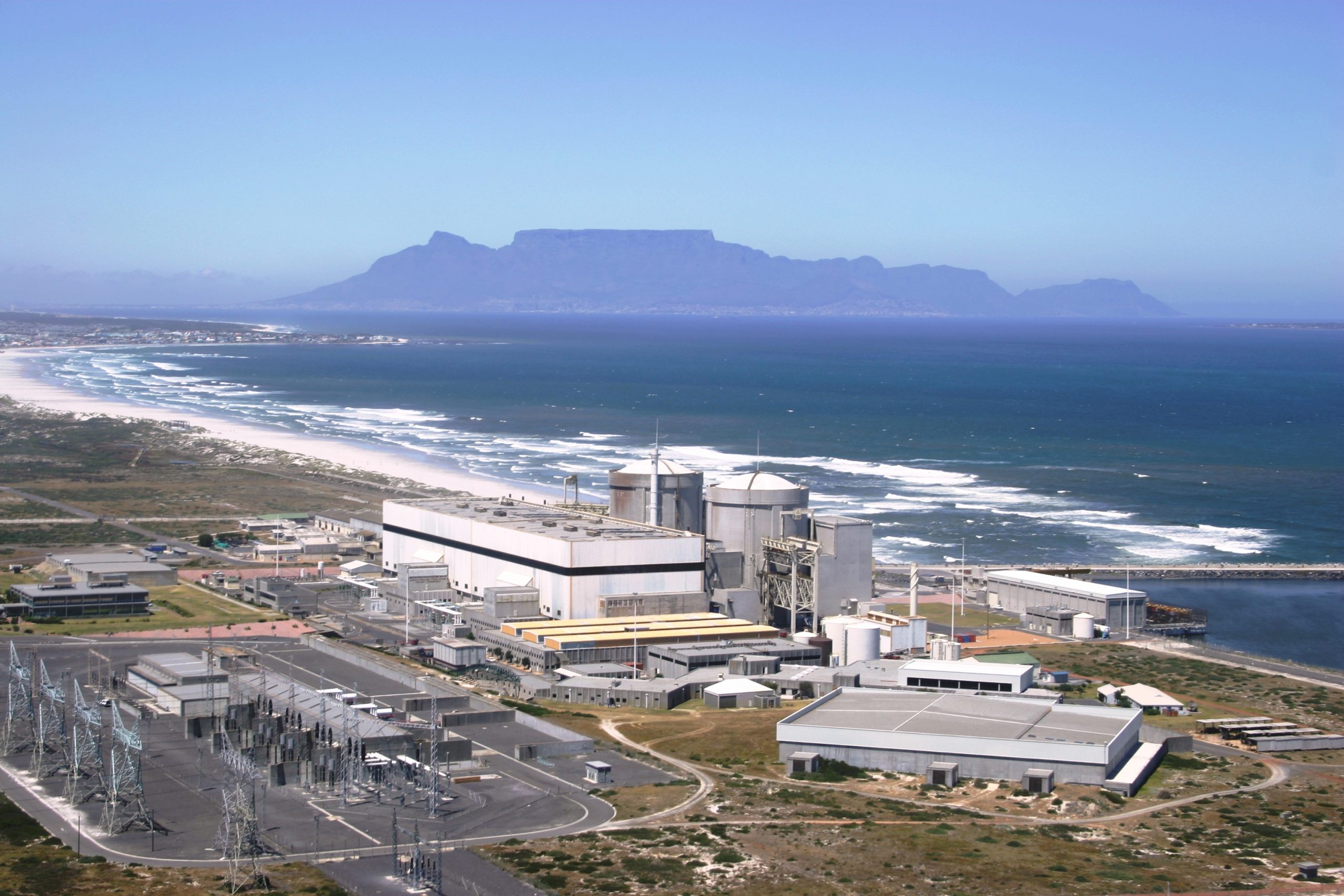
Koeberg Nuclear Power Station is generating zero megawatts after Unit 1 tripped offline shortly before 01:00 AM on Thursday, taking the last operating nuclear reactor off the national grid. The sudden turbine trip leaves South Africa without its 1,860 MW base-load anchor in the Western Cape while Unit 2 remains shut down for a planned 150-day maintenance and refuelling outage.
Eskom confirmed that the reactor shut down safely in accordance with standard protection procedures and that nuclear safety was never compromised. The turbine trip occurred on the non-nuclear side of the plant, but until technicians complete investigations and synchronize the generator back to the network, the country's sole nuclear facility is supplying nothing to the transmission system.
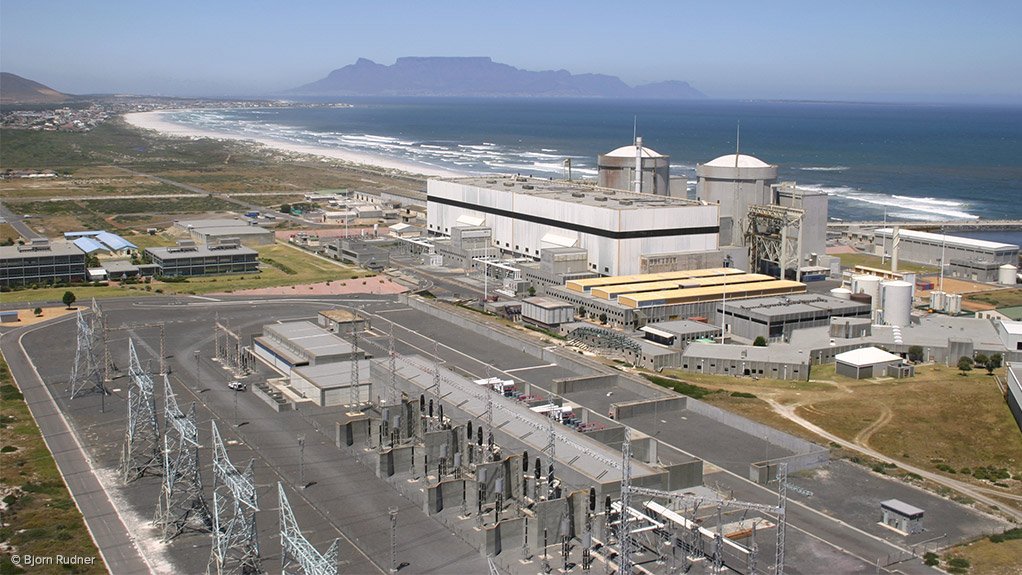
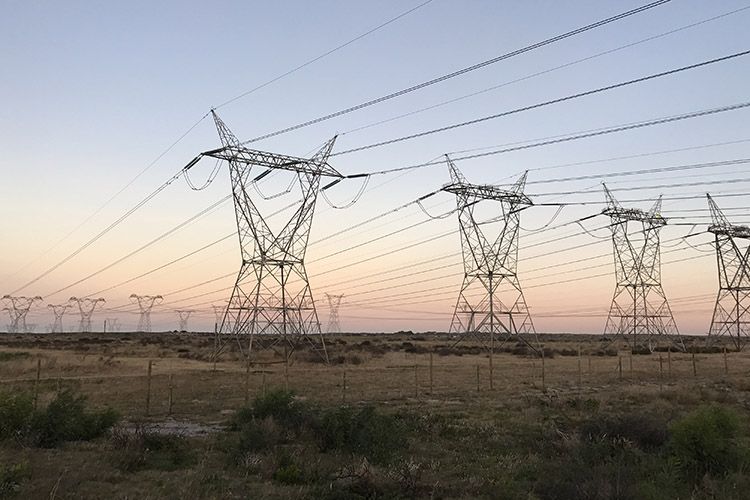
The outage leaves Eskom reliant on long-distance transmission lines from the Mpumalanga coal belt and open-cycle gas turbines (OCGTs) to keep Western Cape grid voltages stable. Unit 2 has been offline since April 2026 for a major refuelling and steam generator overhaul that is not scheduled to conclude until November.
The trip follows a volatile month for Unit 1, which operated at reduced capacity earlier in August when massive shoals of sardines clogged seawater cooling intakes at Duynefontein. While the Department of Forestry, Fisheries and the Environment investigates the marine biomass influx, Eskom insists the latest turbine failure is an isolated mechanical event.
Koeberg consists of two 930 MW pressurized water reactors commissioned between 1984 and 1985, delivering approximately 5% of South Africa's total electricity production. A turbine trip is an automated safety shutdown that disconnects the electricity generator from the steam supply when sensors detect abnormal vibration, temperature, or pressure differentials.
When both units are offline simultaneously, the grid loses its cheapest and most consistent baseload supplier outside the coal fields, forcing the System Operator to dispatch more expensive peaking resources to maintain the 50 Hz grid frequency.
Immediate load shedding has not been declared because Eskom is holding sufficient emergency generation reserves and coal availability across the central grid.
However, running the Western Cape without Koeberg creates severe transmission strain and burns through expensive diesel reserves at the Ankerlig and Gourikwa peaking plants if demand surges or long-distance interconnector lines face faults.
* How quickly can Eskom diagnose the turbine trip and return Unit 1 to full commercial load without triggering National Nuclear Regulator hold points?
* With Unit 2 locked into maintenance until November 2026, will the national grid withstand late-winter cold snaps without burning excessive emergency diesel?