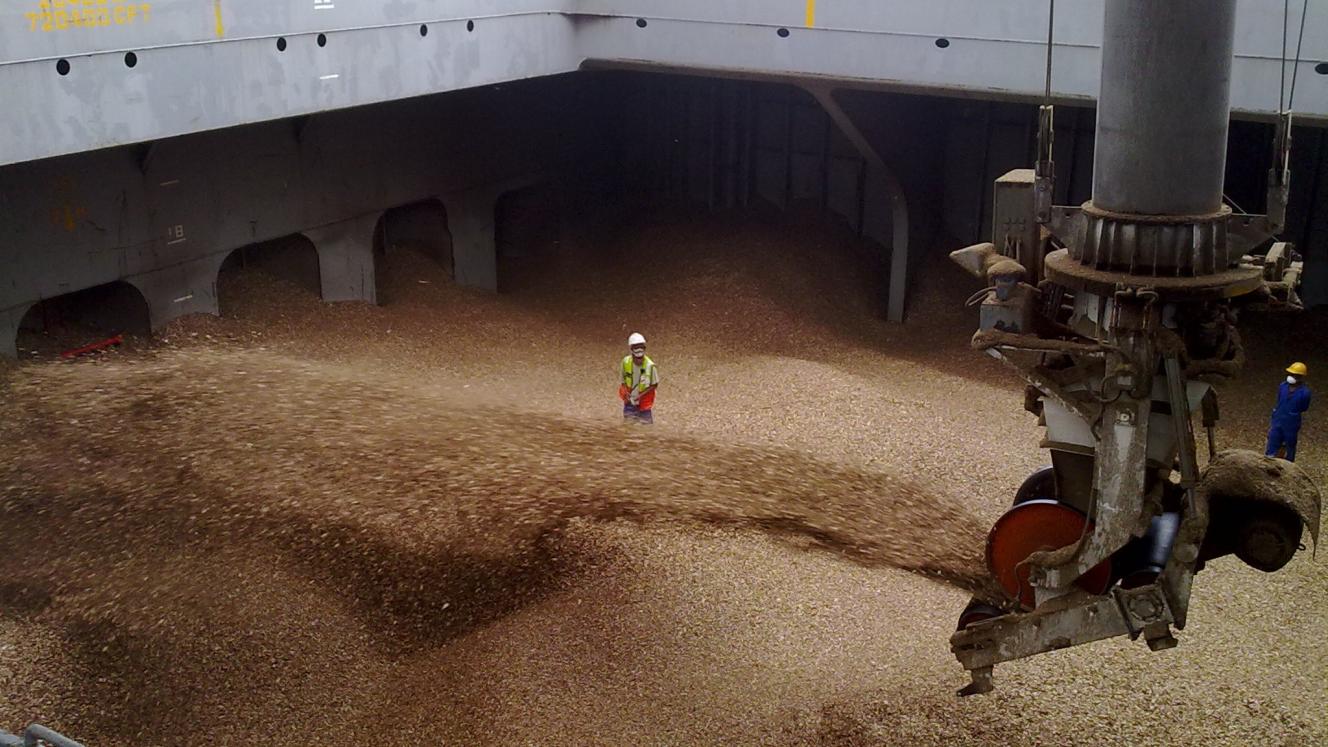
Global shipping disruptions through the Red Sea and natural gas sanctions in Eastern Europe have pushed imported nitrogen fertilizer prices up 34% this quarter to R14,200 per metric ton. That import penalty adds an estimated R4,200 in direct production costs to every single hectare of maize and wheat planted across Southern Africa.
While global technology conglomerates allocate over $200 billion this fiscal year into generative AI computing infrastructure, the developing world's most acute economic threat is not a deficit of server chips—it is an unhedged exposure to foreign grain, diesel, and agricultural input markets.
Trade data from the African Development Bank confirms that the continent spends over $43 billion annually importing staple foods that its own soil could produce. When conflict escalates along European or Middle Eastern trade corridors, local currencies depreciate against the US dollar, instantly transferring global war risk directly onto the consumer at the supermarket checkout.

The strategic trap for emerging economies is prioritizing high-cost sovereign AI clusters while national irrigation networks, tractor diesel reserves, and domestic fertilizer manufacturing remain underfunded. A state cannot compute its way out of an empty grain silo; generative algorithms require massive baseload electricity grids that many developing nations cannot guarantee for basic water pumping.
Over 60% of the world's uncultivated arable land sits across the African continent, yet less than 7% of that land is equipped with commercial irrigation. When global conflict breaks agricultural supply chains, countries without secured domestic fertilizer synthesis and arable land titles face immediate food price spikes, triggering urban civil unrest and severe balance-of-payments deficits.

This is a sovereign capital allocation crisis. The global economy is bifurcating: Northern economies are pouring billions into artificial intelligence, while developing nations are penalized by dollar-denominated fertilizer, shipping surcharges, and imported wheat costs. True national security for the developing world begins on the land with calorie and energy sovereignty—not in algorithmic hype.
If you manage a household budget or run a business in South Africa or any emerging economy, expect staple food inflation (maize meal, bread, cooking oil, eggs) to stay sticky as long as shipping insurance and global gas feedstocks remain elevated. For policymakers and investors, capital diverted into vanity technology projects while smallholder farmers lack fertilizer subsidies and water access guarantees compounding sovereign debt.
* Why is Southern Africa still importing 80% of its active nitrogen fertilizer components when domestic gas and petrochemical assets exist in Sasolburg and Secunda?
* Will emerging market treasuries prioritize capital expenditure on bulk agricultural water grids, or continue chasing unproven foreign tech subsidies?