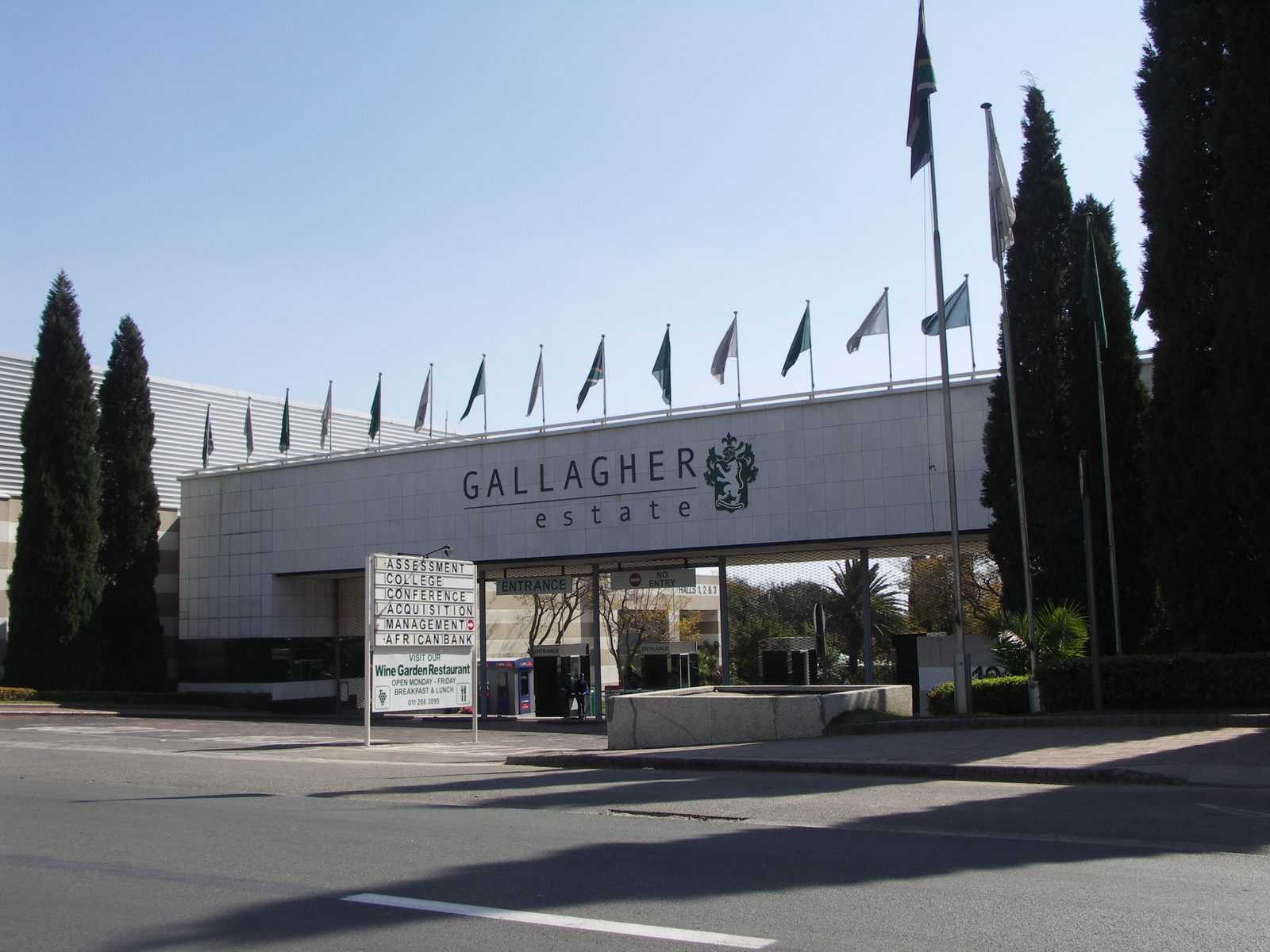
The Congress of South African Trade Unions has adjourned its 15th National Congress at the Gallagher Convention Centre in Midrand after suffering an unprecedented quorum collapse, plunging South Africa's largest organized labour federation into a constitutional crisis seven weeks before local government elections.
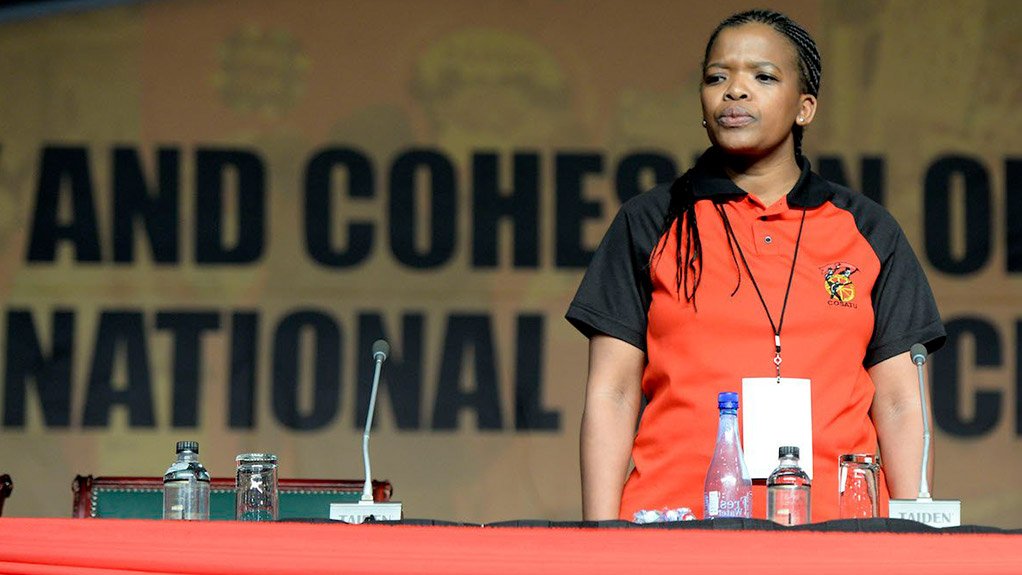
The premature adjournment, formally announced from the plenary podium by outgoing COSATU President Zingiswa Losi on Tuesday, 15 September 2026, marks the first time since the federation's founding on 1 December 1985 that a national elective congress has collapsed without constituting a lawful sitting. Under Clause 3.4.2 of the COSATU Constitution, the federation now faces a mandatory thirty-day countdown to reconvene the plenary and elect new national office bearers before mid-October.
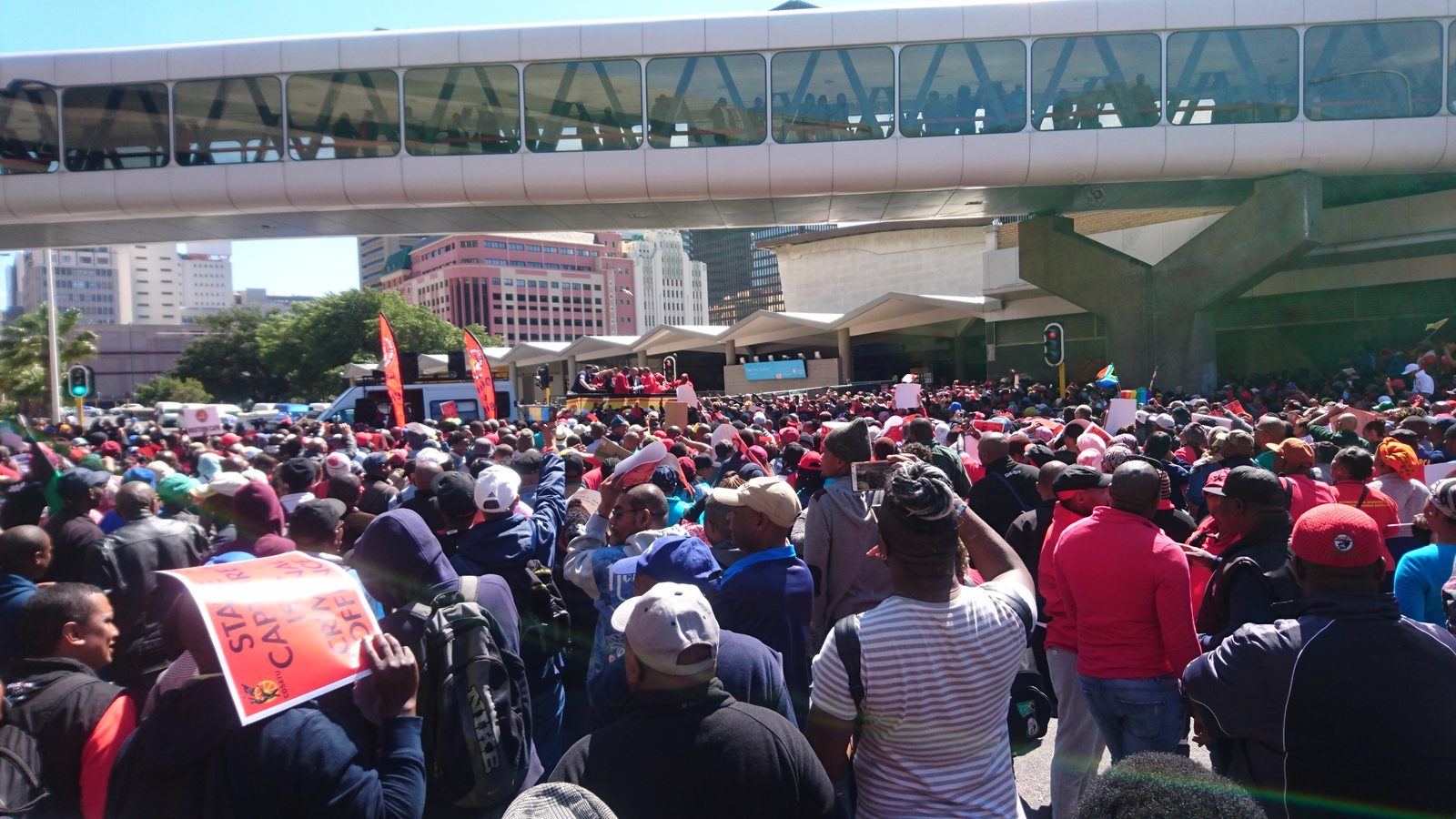
The institutional deadlock erupted over the contested presidential candidacy of COSATU First Deputy President Mike Shingange. Days before the four-day congress was scheduled to open, Shingange's home affiliate, the National Education, Health and Allied Workers' Union, placed him on precautionary suspension for allegedly defying an internal union instruction not to accept nominations for the federation presidency against an opposing slate.
In response, an alliance of seven major affiliate unions led by the National Union of Mineworkers and the South African Municipal Workers' Union staged a credential boycott. Demanding the immediate recognition of Shingange's credentials and constitutional eligibility, the dissenting bloc refused to register their voting delegates, starving the convention floor of the statutory 50% plus one threshold required to transact business.
While the standoff paralyzed plenary proceedings, Shingange secured an emergency ruling in the Labour Court of South Africa. Presiding over the urgent application, Acting Judge B. Ramji ruled that a precautionary suspension does not equate to expulsion, does not strip a unionist of membership in good standing, and confirmed that COSATU's constitution does not require an exclusive nomination from a candidate's own affiliate to stand for national office. The court slapped NEHAWU with legal costs.
Despite the judicial clarification, the credential dispute could not be unlocked before the constitutional three-hour clock expired. To avert disorderly confrontations on the floor and protect the federation from post-conference legal nullification, Losi invoked constitutional provisions to dissolve the gathering.
Clause 3.4.2 of the COSATU Constitution governs the legal threshold required to constitute an elective national congress. If a lawful quorum is not assembled within three hours of the scheduled start, the proceedings must stand adjourned to a date and venue decided upon by the president, provided the reconvened sitting takes place within one month.
Under the rules, the constitutional clause dictates that at the reconvened congress, the accredited delegates present shall form a lawful quorum regardless of numerical boycotts. This procedural safeguard ensures that affiliate factions cannot permanently paralyze the federation through repeated credential withholding when the assembly resumes in October.
The federation's leadership paralysis strikes at a decisive moment for South African municipal governance. On 8 September 2026, President Cyril Ramaphosa issued Proclamation Notice 346 of 2026 in Government Gazette Number 55352, formally declaring Wednesday, 4 November 2026, a countrywide public holiday for general Local Government Elections under the Public Holidays Act.
With municipal election campaigning entering its peak phase, the governing African National Congress depends heavily on COSATU's organizational machinery and shop-floor shop stewards to mobilize working-class turnout in key battleground metros. A fractured, headless labour federation unable to agree on its own leadership risks dampening voter mobilization, weakening council worker turnout, and exposing deep fissures between municipal unions and local administration leadership.
For public sector workers and municipal employees, delayed leadership resolution stalls collective bargaining strategies over wage agreements, pension restructuring, and outsourcing disputes until the incoming executive takes office.
* Can the Central Executive Committee negotiate a binding credential compromise between the NUM and NEHAWU blocs before the October reconvening deadline?
* How will the Tripartite Alliance coordinate its 4 November municipal election machinery while its primary trade union partner remains consumed by elective litigation?
* Will the minority faction accept the outcome of the reconvened congress when Clause 3.4.2 automatically constitutes a quorum from whatever delegates enter the hall?