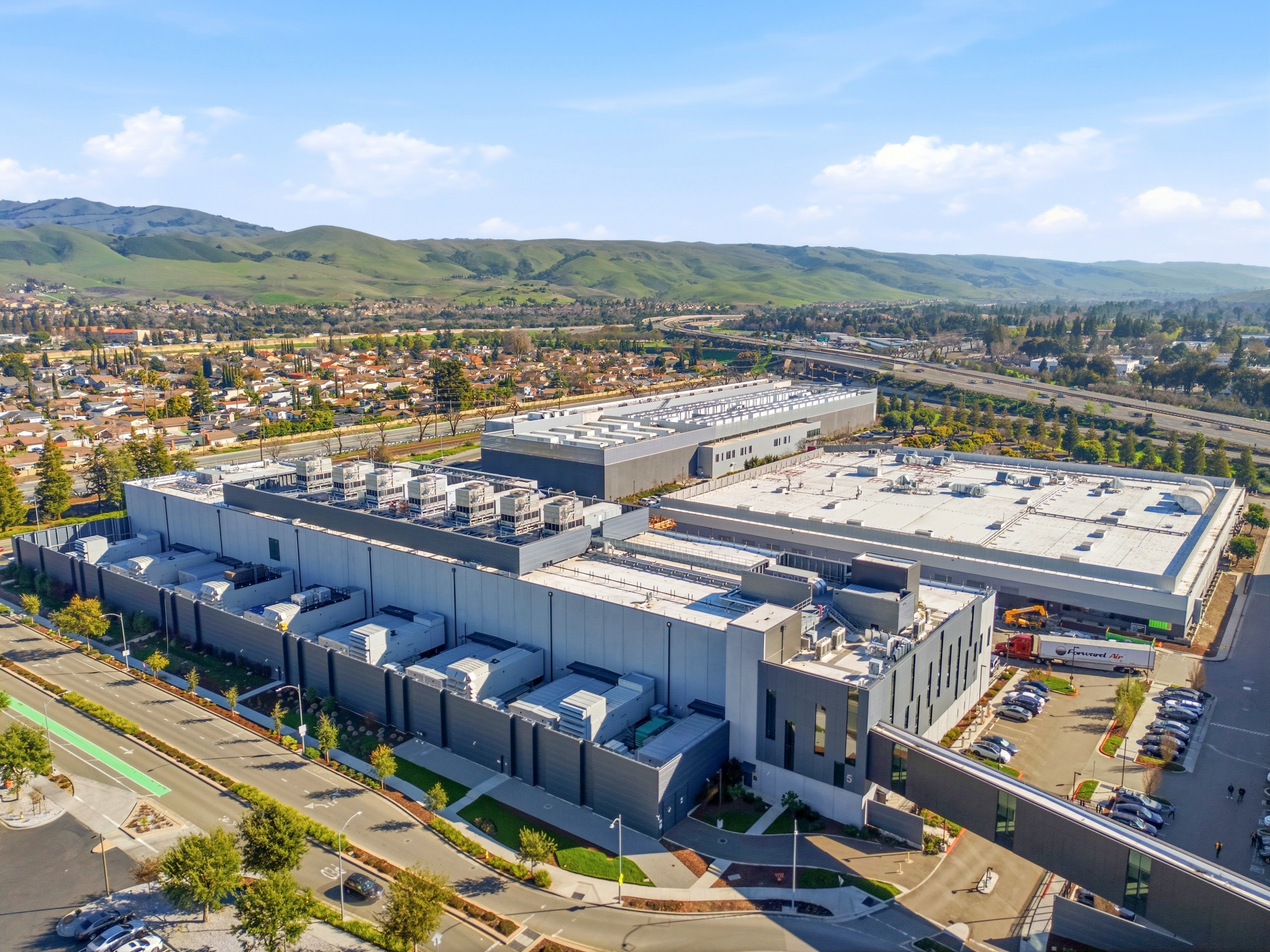
Global cloud hyperscalers have committed over R35 billion in capital expenditure to construct mega-scale artificial intelligence data centers across Gauteng and the Western Cape, cementing South Africa as the primary computational hub for the continent. To insulate these high-density server clusters from municipal grid failures and peak tariff spikes, operators have signed private power purchase and wheeling contracts valued at R14.5 billion for dedicated solar and battery microgrids.
The massive infrastructure drive is spearheaded by international colocation giants, including Teraco, Vantage Data Centers, and Equinix, alongside dedicated availability zones for Microsoft Azure, Amazon Web Services, and Google Cloud.
Unlike traditional corporate IT hosting that draws 4 to 8 kilowatts per equipment rack, generative AI training and inference hardware powered by high-performance GPU arrays requires up to 40 to 100 kilowatts per rack. This exponential power density has pushed local campus power demands beyond 120 megawatts per facility, outstripping the localized transformer capacities of municipalities like Ekurhuleni, Tshwane, and the City of Johannesburg.
To prevent deployment delays, data center developers are bypassing local municipal distributors entirely. Operators are procuring direct utility scale wheeling capacity from privately developed solar farms in the Northern Cape and constructing behind-the-meter natural gas turbines to guarantee five-nines (99.999%) electrical uptime.
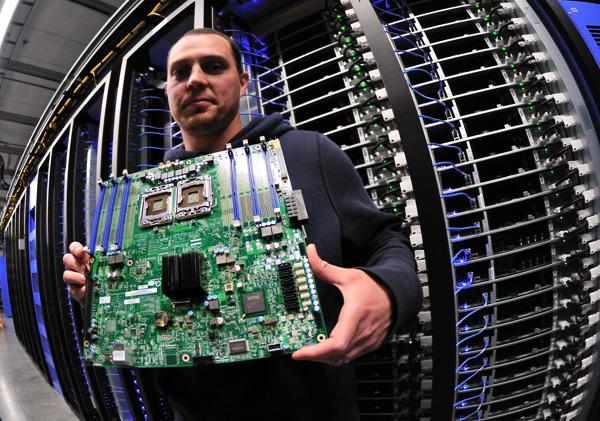
This is the physical industrialization of the digital economy. Artificial intelligence is not merely code; it is a resource-intensive utility dependent on baseload electricity, high-capacity subsea fiber landings like 2Africa and Equiano, and precision chilled-water thermodynamics. Hyperscalers operate as sovereign private utilities, funding their own generation and transmission links to bypass public infrastructure constraints.
For businesses and developers in Southern Africa, locally hosted AI infrastructure slashes latency from 180 milliseconds (routing via European data centers) to under 15 milliseconds, enabling real-time automated fraud detection, algorithmic financial trading, and vernacular language voice processing. For households, private corporate wheeling relieves stress on national electricity generation by funding new private solar capacity into the national transmission grid.
* Will municipal governments face catastrophic revenue shortfalls as industrial high-volume electricity users defect to direct private wheeling contracts?
* How will water-stressed metros in Gauteng reconcile the massive evaporative cooling requirements of 100-megawatt data centers with community potable water supply reserves?