South African councils will no longer be allowed to quietly stitch together backroom coalitions or table budgets funded by imaginary revenue.
Parliament’s Portfolio Committee on Cooperative Governance and Traditional Affairs has begun formal processing of the Municipal Structures Amendment Bill, introducing mandatory public coalition pacts and capping motions of no confidence to once every twelve months.
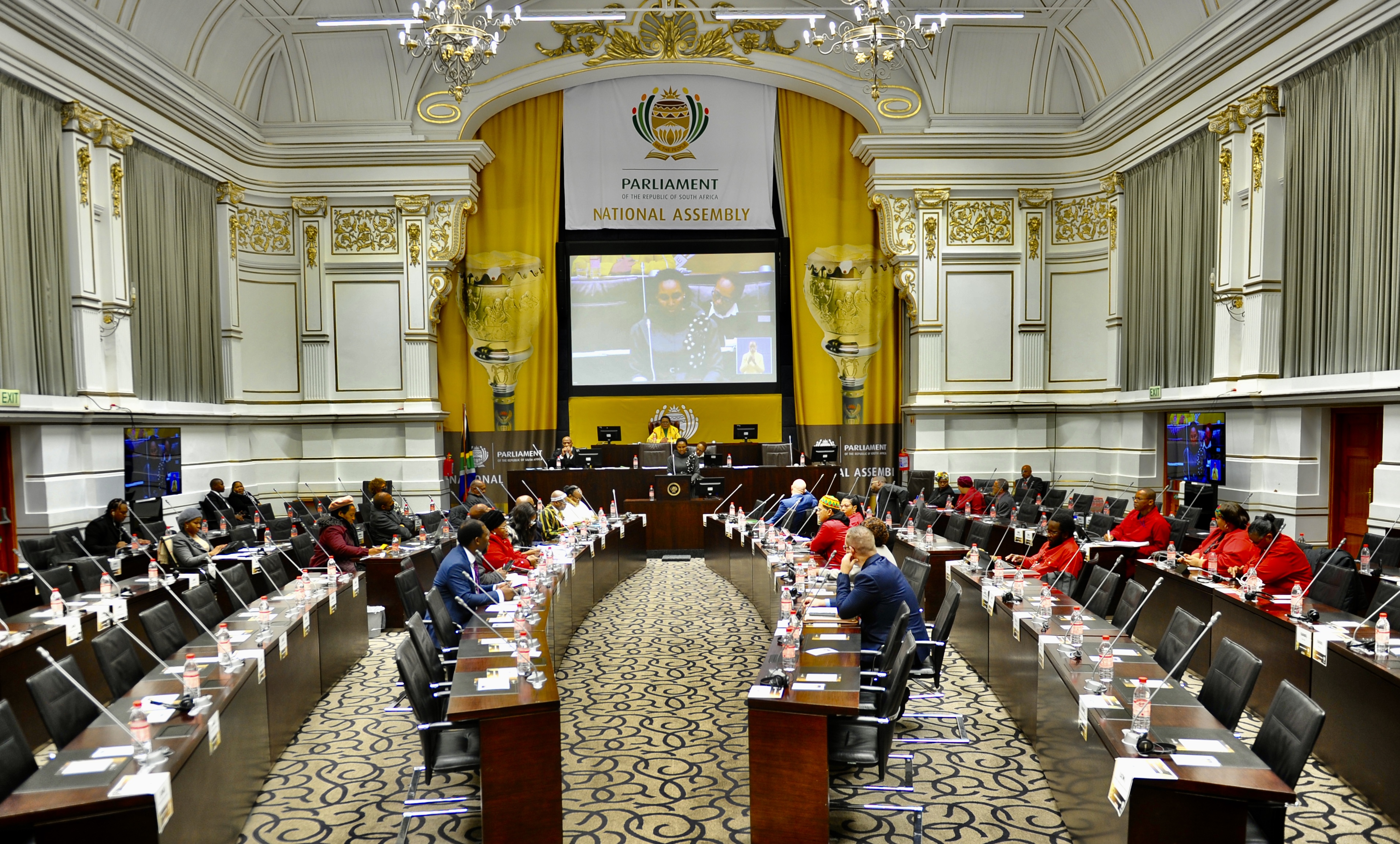
The draft legislation forces political parties to gazette their power-sharing pacts with municipal managers and provincial MECs before taking office. It also widens the post-election council formation window from 14 to 30 days to prevent rushed horse-trading that has paralyzed metros across Gauteng, KwaZulu-Natal, and the Eastern Cape.
The legislative clampdown lands as the South African Local Government Association battles a municipal consumer debt book exceeding R467 billion. National Treasury has already withheld equitable share allocations from repeat offenders, conditioning emergency releases on strict disciplinary dockets against managers who approve unfunded spending plans.
The Municipal Structures Amendment Bill is the state's legal mechanism to stop hung councils from collapsing into endless no-confidence motions. By forcing all coalition agreements into the Provincial Gazette and limiting leadership challenges to annual windows—barring criminal charges or proven financial misconduct—the bill strips floor-crossers of instant leverage. At the same time, Treasury is enforcing Section 216 of the Constitution to shut down councils that spend money they do not collect.
If you live in a hung metro or bankrupt district, council meetings will no longer revolve around weekly motions of no confidence funded by ratepayer money. Stable executive terms mean multi-year infrastructure grants for water pipes, substations, and road maintenance can actually be disbursed instead of lapsing back to the fiscus. However, if your council is locked into an unfunded budget, Treasury's freeze on discretionary grants will force immediate tariff hikes and aggressive debt collection on household arrears.
* Can a twelve-month protection clause stop compromised mayors from running down municipal finances before they can be removed?
* Will National Treasury maintain its hard line on withholding equitable share allocations when service delivery shutdowns trigger street protests in the run-up to the November 2026 vote?