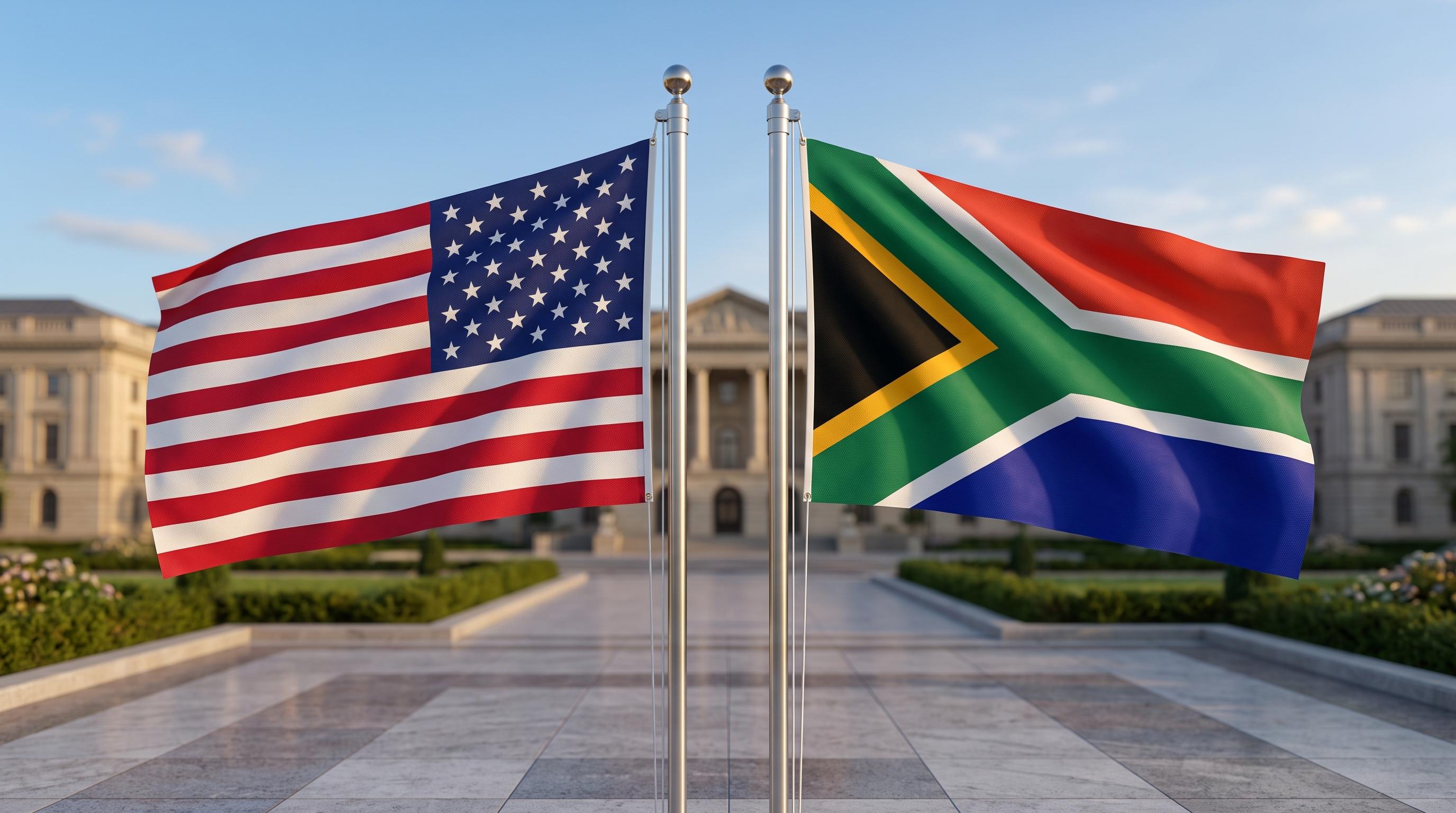
Washington put a new date on the paper. It did not put South Africa’s name in ink.
This week Donald Trump signed the Continuing Appropriations and Extensions Act, 2027. Inside that funding package sits a two-year extension of the African Growth and Opportunity Act. Duty-free access for qualifying sub-Saharan exporters now runs to 31 December 2028. The House had passed the measure 370–48. The Senate had already moved it in August. The signature is the fact.
It is not the deal Pretoria described when the Department of Trade, Industry and Competition argued for a 15-year renewal and defended South Africa’s eligibility despite upper-middle-income status. Two years is a stay of execution. It is not a settlement.
AGOA already fell off a cliff in September 2025. A February 2026 patch carried it to the end of this year, including retroactive cover for goods that moved in the gap. This week’s signature stops another cliff. It does not rewrite the preference rules. It does not cancel the separate US tariffs already sitting on South African goods. It does not bind the White House to keep South Africa on the annual beneficiary list.
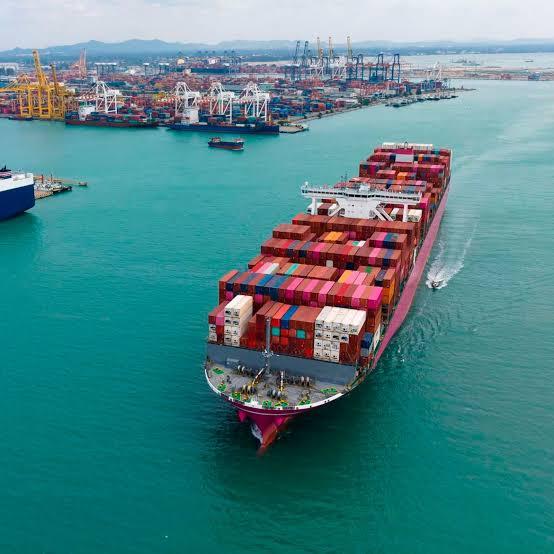
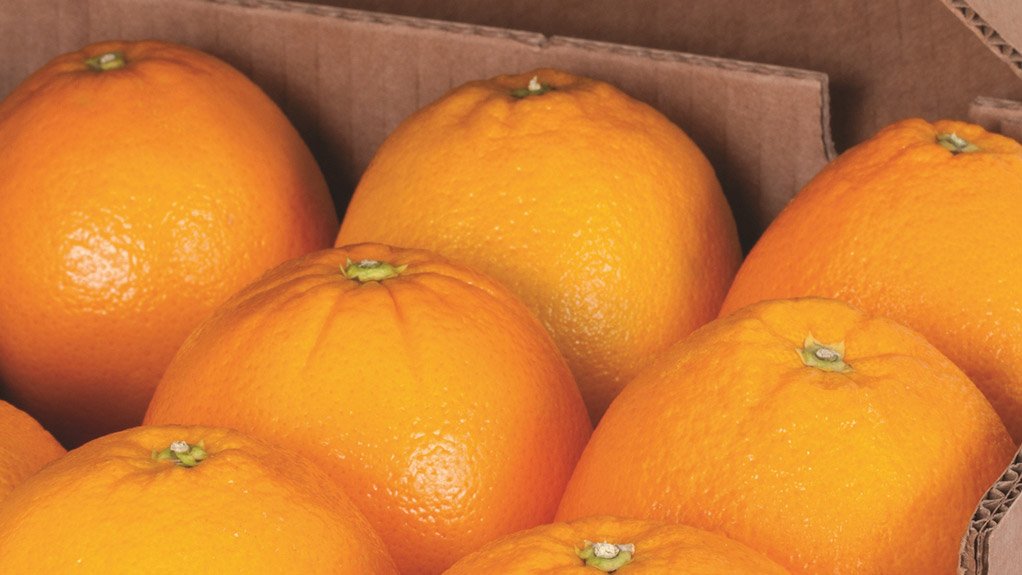
Trade desks repeat that about 22% of South African exports to the United States ride AGOA. Treat that as a claim until dtic or SARS puts the table on the record. What is not in dispute is the sectors in the firing line if the name comes off: vehicles, citrus and other agri, wine, clothing. Solidarity welcomed the 2028 date on 3 September and, in the same breath, warned that the White House can still revise the list before 2027. That is the honest sentence.
Two clocks are running. The statute clock ends in 2028. The country clock can turn earlier. USTR launched the 2027 eligibility review in June. The current list of roughly 32 countries can still be revised before the next determination takes effect on 1 January 2027. Parked bills that targeted South African eligibility did not vanish when the funding Act was signed. They can come back once the procedural noise dies.
A signature in Washington is not a guarantee that a Midrand or Gqeberha invoice still clears duty-free next year. It is a calendar. The rest is politics.
AGOA is a US statute, not a treaty with Pretoria. Congress extended the statute. Eligibility of each country remains an executive list. Two years of programme life is not the same as two years of South African access.
If you price export contracts into the US past December 2026, you are pricing a political list, not only a customs code. If you work the auto or fruit chain that sells into that market, the factory conversation is two years of air, then another fight. If you do not export, you still feel the second-round effect: plants that cut shifts do not only cut exporters.
* Will USTR keep South Africa on the 2027 beneficiary list? Do the parked bills that targeted SA eligibility return once the funding Act is done?
* What is DTCI's written plan if the answer is no? And why was 15 years the ask if two years was always the ceiling in this Congress?