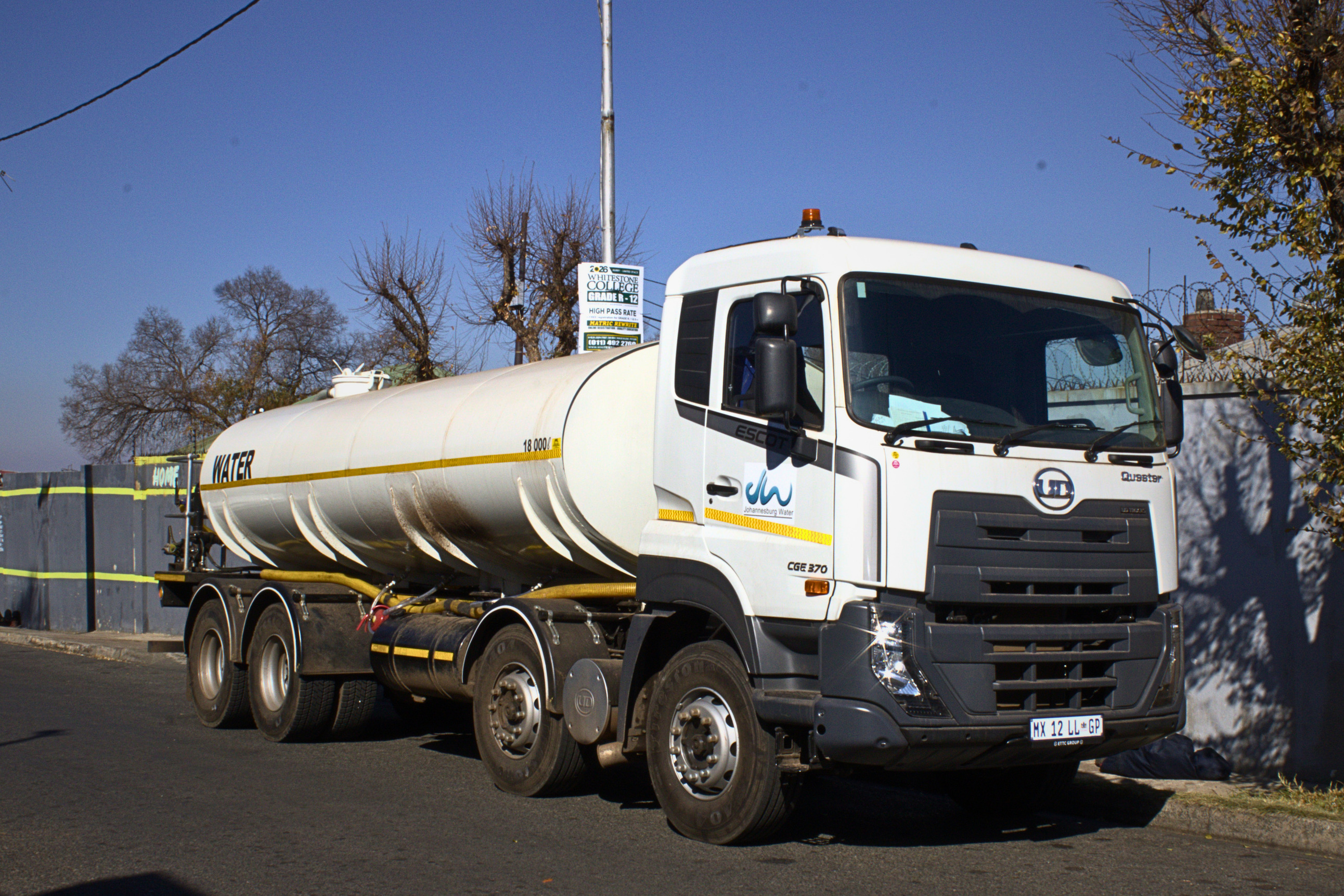
Fifty-nine South African municipalities spent R2.32 billion on emergency water-tankering services in a single financial year, with the Auditor-General red-flagging R419 million of that total as irregular expenditure.
While councils exhaust municipal maintenance grants on hired trucks, rural villages across Limpopo, the Eastern Cape, and the township peripheries of Gauteng face an artificial water famine engineered by syndicates protecting private supply contracts.
Community repair teams and municipal water engineers report armed spotters monitoring communal pipelines, stripping brass control valves, and torching pump house switchgear within hours of infrastructure restorations.
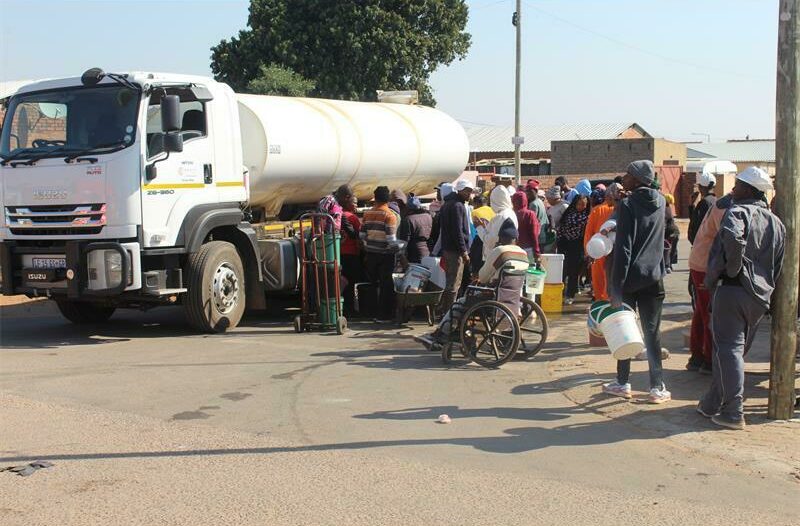
When municipal pipelines run dry, the burden transfers immediately to households surviving on the R2,180 older person grant, where families must pay private tanker operators between R50 and R100 to fill a single 200-litre blue plastic drum.
A household needing water for basic cooking, sanitation, and livestock pays up to R400 a month out of pocket for tap water that national bulk schemes are already funded to deliver.
The Auditor-General's consolidated water sector audit established that municipalities spend an average of just 3 percent of the value of their property, plant, and equipment on repairs and maintenance, falling far short of the statutory 8 percent treasury benchmark.
Only 23 out of 135 Water Service Authorities in the country achieved clean audits, with councils routinely declaring permanent infrastructure emergencies to justify bypassing competitive bidding in favour of month-to-month trucking panels.
In areas surrounding Giyani, Butterworth, and Hammanskraal, contractors awarded emergency municipal routes routinely divert contracted loads to sell water directly to informal settlements at R5 to R10 per 25-litre jerrycan.
The Department of Water and Sanitation and the Special Investigating Unit established the Water Sector Anti-Corruption Forum to target cartel networks, but municipal councils continue to renew tanker leases rather than replace stripped municipal brass fittings.
The water tanker cartel operates on the business model of manufactured infrastructure collapse.
Instead of municipal budgets funding permanent pipe reticulation, water treatment maintenance, and pressure valves, capital funds are routed into temporary trucking operations that deliver an inferior service at ten times the cost of reticulated water.
By deliberately disabling the municipal pipe network through physical sabotage or delayed repairs, private tanker syndicates create an uninterrupted emergency that guarantees continuous municipal contract extensions.
If you live in a village or township where the municipal taps have sat dry for months, your dry pipe is likely generating municipal lease revenue for a private fleet operator.
Free municipal water delivery provided under Section 27 of the Constitution is being replaced by informal cash transactions at the roadside, siphoning SASSA grant income directly into tanker diesel tanks.
Until municipal councils meet the 8 percent maintenance benchmark and secure pipeline servitudes with law enforcement protection, ratepayer funds will continue subsidizing hired trucks rather than permanent water infrastructure.
* Why do municipal managers approve multi-million rand monthly trucking vouchers while local pump stations sit unrepaired for under R50,000 in spare parts?
* How many municipal officials hold undeclared commercial stakes in the private water fleets contracted to service their own dry wards?
* When will the Special Investigating Unit move from forensic audits to asset forfeitures against syndicates sabotaging public water lines?