
With economic growth remaining sluggish and inflation figures balancing near targeted levels, economists are actively debating whether the central bank will introduce rate relief or maintain a cautious policy stance.
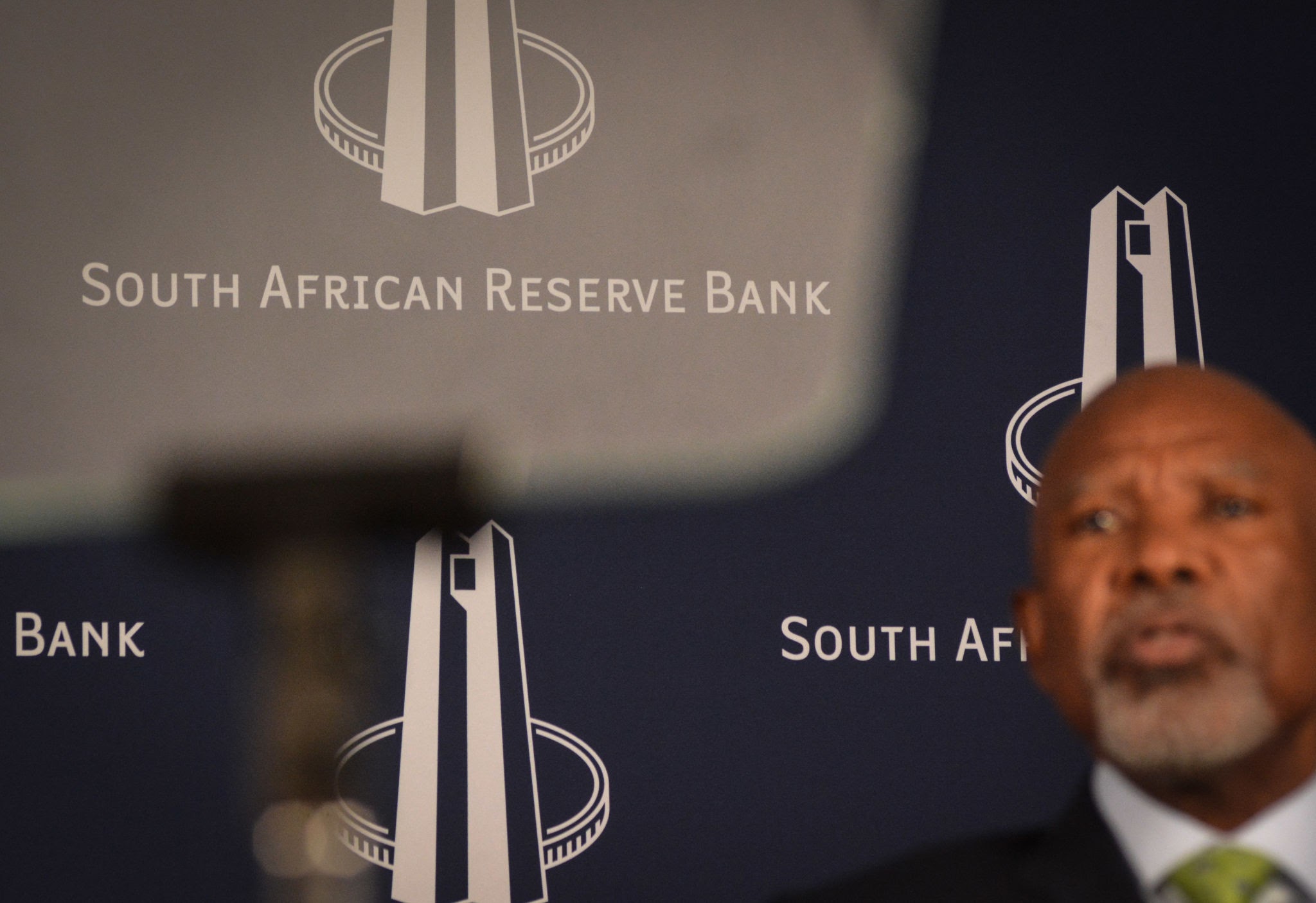
Monetary Policy & The Repo Rate
Core economic mechanisms governing central bank decisions:
Repo Rate: The benchmark interest rate at which the SARB lends money to commercial banks, directly setting prime lending rates.
Monetary Policy Committee (MPC): The executive panel responsible for setting interest rate policies to maintain price stability.
Inflation Targeting: The policy framework aimed at keeping headline inflation within the target range of 3% to 6%.
KEY ECONOMIC DRIVERS UNDER REVIEW
Inflation Trends: Headline consumer price inflation remains a primary trigger for interest rate adjustments.
Rand Exchange Rate: Currency fluctuations impact import costs, particularly fuel and raw materials.
Global Central Bank Actions: Policy moves by major foreign central banks influence international capital flows and domestic currency pressure.
Consumer Debt Burden: Commercial banks report rising debt-servicing costs among households holding home and vehicle loans.
For Homeowners & Debt Holders: Any change in the repo rate immediately adjusts the prime lending rate, impacting variable-rate mortgages, vehicle finance, and personal loans.
For Businesses: Interest rate levels dictate commercial borrowing costs, affecting capital expenditure, business expansion, and hiring decisions.
How heavily will global economic trends influence the SARB’s domestic policy trajectory?
At what point will structural inflation conditions allow for a sustained rate-cutting cycle?
Have a perspective on this story? Leave your comment below and join the debate on News Definition.