Agricultural exporters across the Western Cape are absorbing an estimated R2.8 billion financial shock after the Office of the United States Trade Representative began active enforcement of twelve-and-a-half percent import tariffs under Section 301 of the Trade Act of 1974.
The tariffs hit the opening export shipments of the summer citrus and table grape seasons. The measures dismantle duty-free market preferences that Western Cape producers previously accessed through the African Growth and Opportunity Act.
Industry assessments conducted jointly by the Citrus Growers Association and the Fresh Produce Exporters Forum show the tariff line adds direct customs surcharges of between R45 and R62 to every exported carton.
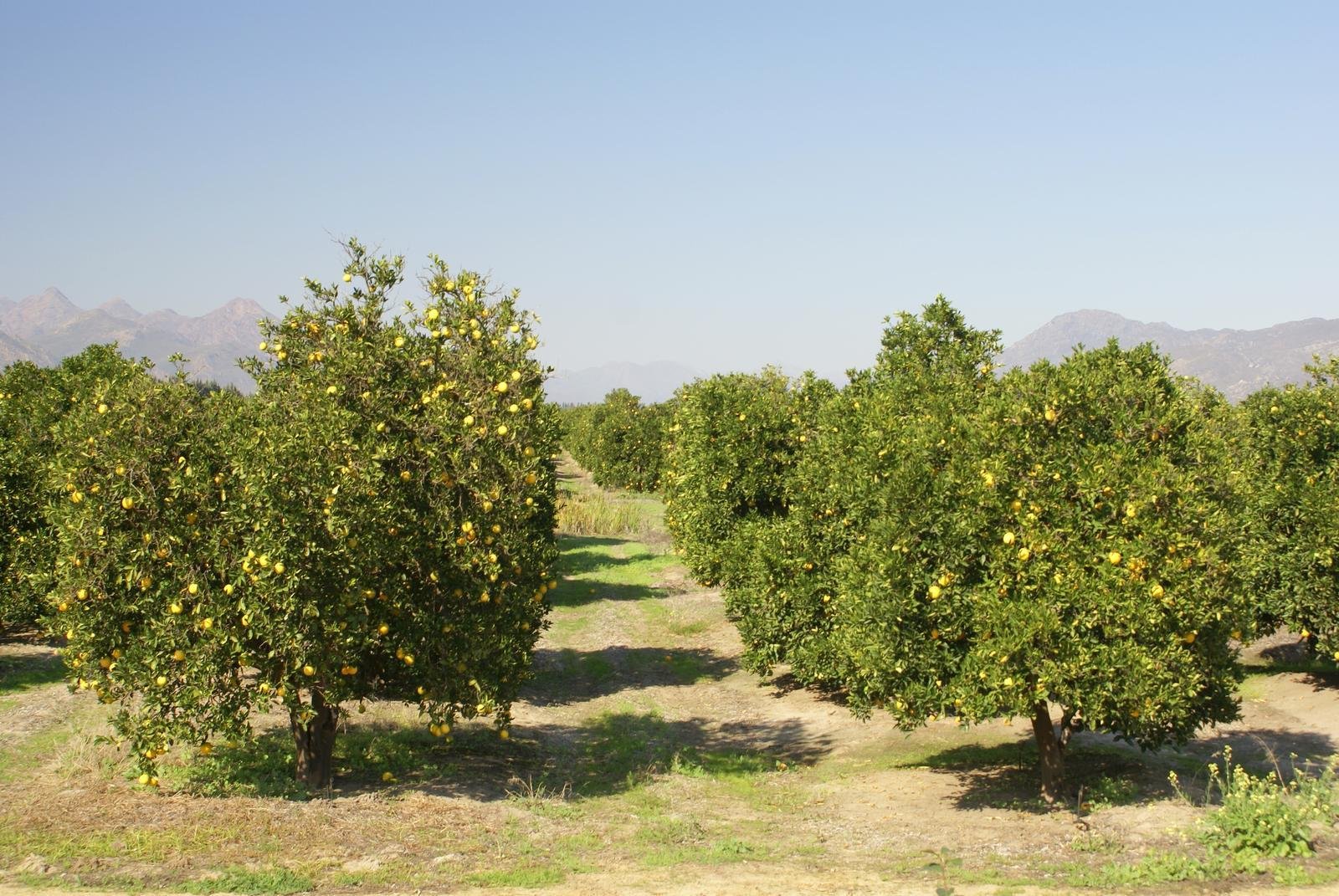
The tariff shock falls heavily on primary cultivation valleys. The Olifants River Valley around Citrusdal and Clanwilliam produces specialized seedless summer citrus for North American supermarkets. The Hex River Valley near De Doorns supplies export-grade table grapes. Both regions face compressed exporter margins alongside elevated refrigerated shipping rates.
Agricultural logistics networks are already feeling the operational strain. Exporters must fulfill strict United States Department of Agriculture cold-treatment protocols. These protocols require continuous fruit pulp refrigeration at minus 0.55 degrees Celsius for twenty-two days aboard container vessels to eliminate insect pests.
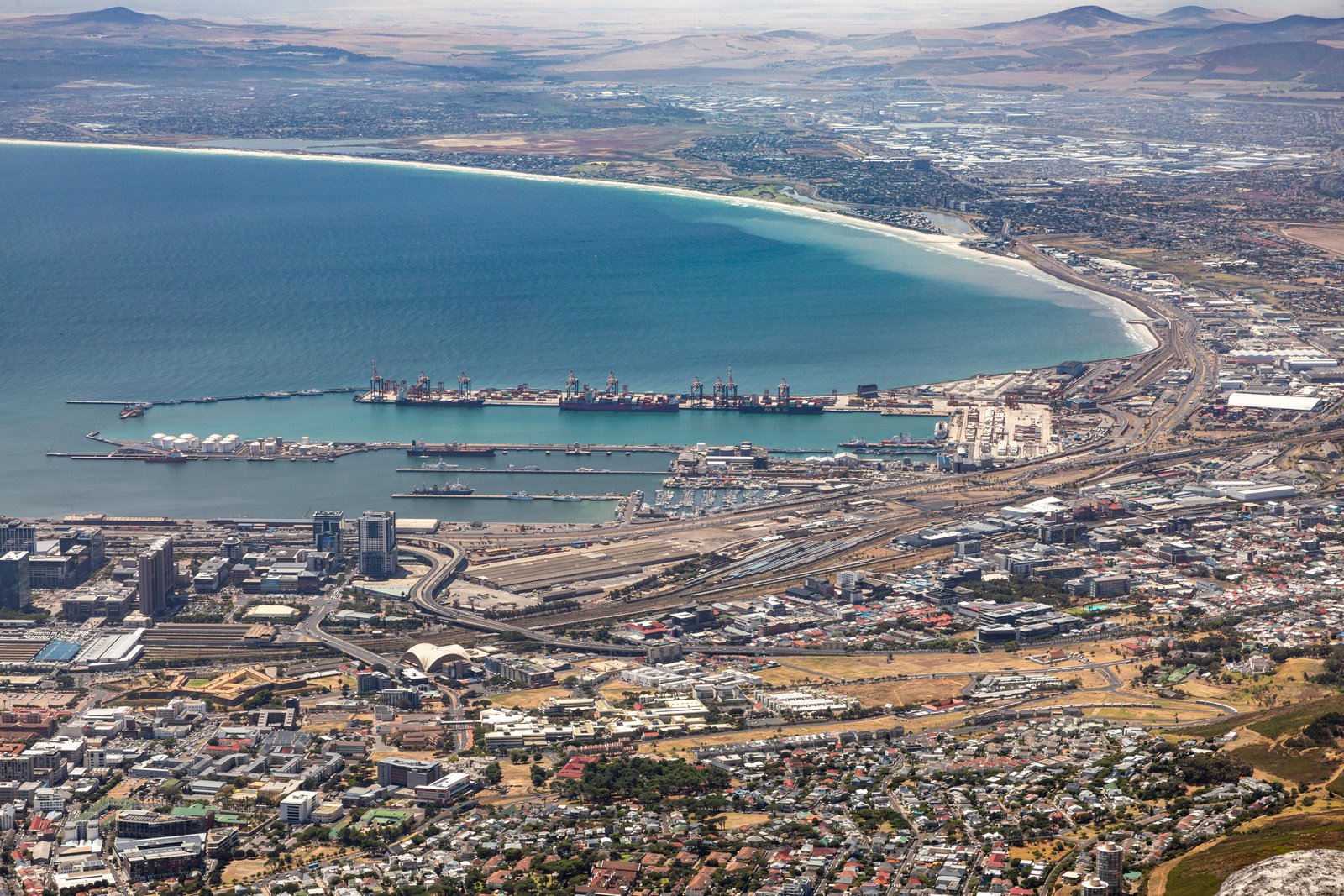
The mandatory cold chain drives up freight costs at the Port of Cape Town container terminal. Meanwhile, newly introduced digital supply chain traceability audits demand exhaustive labor compliance filings before cargo vessels leave South African territorial waters.

The economic damage extends far beyond farm balance sheets into rural payrolls. The export fruit industry supports more than forty thousand permanent and seasonal farm workers across rural Western Cape municipalities. Commercial producers caution that prolonged tariffs will force packhouses to curtail seasonal shifts, reduce contract harvesting crews, and re-route perishable fruit into oversupplied domestic wholesale markets.
The Department of Trade, Industry and Competition has initiated bilateral diplomatic representations with Washington trade officials. However, trade specialists warn that Section 301 measures operate independently of annual AGOA parliamentary reviews. This regulatory separation leaves exporters with zero legal relief before the current harvest cycle concludes.
Section 301 of the United States Trade Act of 1974 grants the American executive broad statutory authority to impose retaliatory trade duties and import quotas on foreign countries whose trade practices or regulatory frameworks are deemed burdensome to American commerce.
Unlike multilateral tariff determinations under the World Trade Organization, Section 301 trade actions are unilateral executive measures. These tariffs take effect without international dispute panel authorization.
When an agricultural export corridor faces sudden Section 301 tariffs, overseas buyers cannot easily absorb the price increases. The cost falls back onto local packhouses, transport logistics companies, and farm workers.
Consumers in South Africa may see brief temporary price dips on high-grade table grapes and citrus at local supermarkets if exporters divert rejected or uncompetitive export volumes into domestic retail shelves.
Rural farming communities across the Western Cape face severe economic stress. Cutbacks in seasonal harvest wages directly reduce consumer spending in towns such as Citrusdal, De Doorns, Paarl, and Ceres.
South African transport and cold-chain logistics providers face reduced cargo turnover at the Port of Cape Town. The downturn puts maritime logistics revenue and investment in port container equipment under direct strain.
* Will the Department of Trade, Industry and Competition secure temporary tariff exemptions for perishable agricultural lines during upcoming bilateral trade talks with Washington?
* How will commercial fruit producers finance elevated cold-chain freight demurrage at the Port of Cape Town if American supermarket chains reject higher wholesale prices?
* Can Western Cape fruit exporters redirect substantial cargo volumes to alternative Asian and Middle Eastern markets before the seasonal harvest peaks?