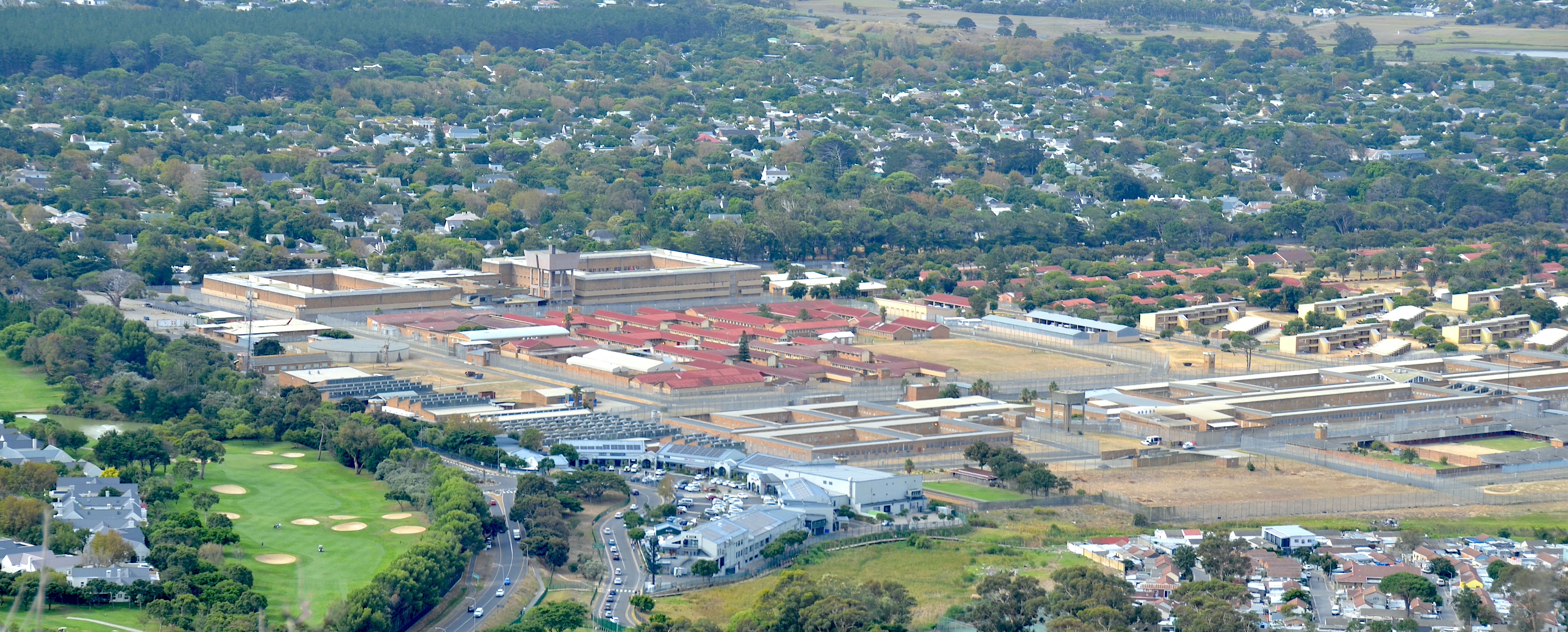
National Commissioner of Correctional Services Makgothi Thobakgale delivered explosive testimony before the Madlanga Commission of Inquiry on Thursday, disclosing that prison warders actively forced an inmate to escape under threat of death to prevent him from exposing corrupt officials in court. Testifying at the Brigitte Mabandla Justice College in Pretoria, Thobakgale revealed that the 6 September escape of inmate Edward Khomotso Madiba from the Rooigrond Maximum Correctional Centre in Mahikeng was not a breach of physical security, but an internal operation by compromised guards desperate to silence a state witness.
Madiba, who had previously escaped in 2022, was undergoing court proceedings where he began identifying specific correctional officials who facilitated illicit activities and compromised security protocols inside the facility. Facing imminent criminal exposure, implicated officials confronted the inmate inside his cell with an explicit ultimatum: either you leave the facility immediately, or we will kill you. Madiba fled Rooigrond under guard instruction before being recaptured three days later in Brits, prompting the precautionary suspension of eight correctional officials suspected of orchestrating the forced exit.
The Rooigrond disclosure formed part of a wider evidentiary submission detailing systemic criminal infiltration across the national correctional estate. Thobakgale highlighted the case of an inmate known as Choppies, a self-confessed Western Cape gang leader classified as a high-risk offender who should have been detained in maximum security. Instead, Choppies was discovered stationed in the kitchen at the Kuruman Correctional Facility in the Northern Cape, where he spent over 12 months with internal movement privileges, fundamentally altering the local crime profile by expanding gang networks into regional communities.
Thobakgale further testified that organized street gangs deliberately exploit prisons as state-funded sanctuaries during violent territorial disputes. When gang conflicts intensify on the outside, members deliberately commit minor offenses to secure remand detention, turning correctional facilities into armed bunkers where they remain insulated from rival hitmen while using smuggled cellphones to coordinate assassinations, drug distribution, and extortion on the streets. With roughly 18,000 custodial officials managing 167,000 inmates across 243 correctional centres, Thobakgale conceded that gangsterism now operates as an alternative authority structure within the penal system.
The Judicial Commission of Inquiry into Criminality, Political Interference and Corruption in the Criminal Justice System, chaired by retired Constitutional Court Justice Mbuyiseli Madlanga, was established under the Commissions Act of 1947 to investigate institutional capture across law enforcement and security services. Under Section 118 of the Correctional Services Act 111 of 1998, any person who aids or abets an escape from lawful custody faces criminal conviction and imprisonment for up to 10 years. In correctional administration, offender classification regulations mandate that high-risk maximum-security inmates remain confined to designated high-security facilities, strictly prohibiting their placement in low-supervision operational areas such as facility kitchens.
When correctional officials force prisoners to escape to protect corrupt syndicates, public safety is compromised by the very officers paid by taxpayers to enforce penal sentences. Incarceration fails to protect communities when gang kingpins treat state facilities as secure operational hubs, orchestrating violent crime, extortion rackets, and street drug trades from behind prison walls. For citizens living in areas affected by gang violence across Gauteng, the Western Cape, North West, and the Northern Cape, systemic corruption within the Department of Correctional Services means that judicial convictions do not stop criminal operations from directing violence in residential neighborhoods.
* Will the Directorate for Priority Crime Investigation and the National Prosecuting Authority charge the eight suspended Rooigrond officials with aiding an escape and defeating the ends of justice, or will accountability remain limited to internal departmental disciplinary hearings?
* What systemic breakdown allowed a maximum-security gang leader to be transferred to the Kuruman facility kitchen for over a year without detection by provincial or national operational inspectorates?
* Will the Madlanga Commission recommend an independent, permanent correctional inspectorate with statutory search and arrest powers to dismantle the alternative authority structures run by prison gangs?