Gunmen in a white Isuzu bakkie ambushed a group of African National Congress campaign volunteers during a door-to-door mobilization drive in Umgababa, south of Durban, on Thursday afternoon.
Two campaign coordinators died at the scene from multiple rifle and handgun wounds, while several others suffered severe injuries and two private armed bodyguards fled into surrounding bush. The fatal attack pushes South Africa's documented political assassinations in 2026 past all prior annual records with less than three weeks remaining before municipal elections.
SAPS KwaZulu-Natal provincial detectives launched an urgent manhunt across the eThekwini coastal corridor. Officers registered two murder dockets and multiple attempted murder counts. Investigators are coordinating with the Political Killings Task Team to determine whether the ambush was coordinated by rival party factions, external political rivals, or local criminal syndicates contesting control of municipal ward boundaries.
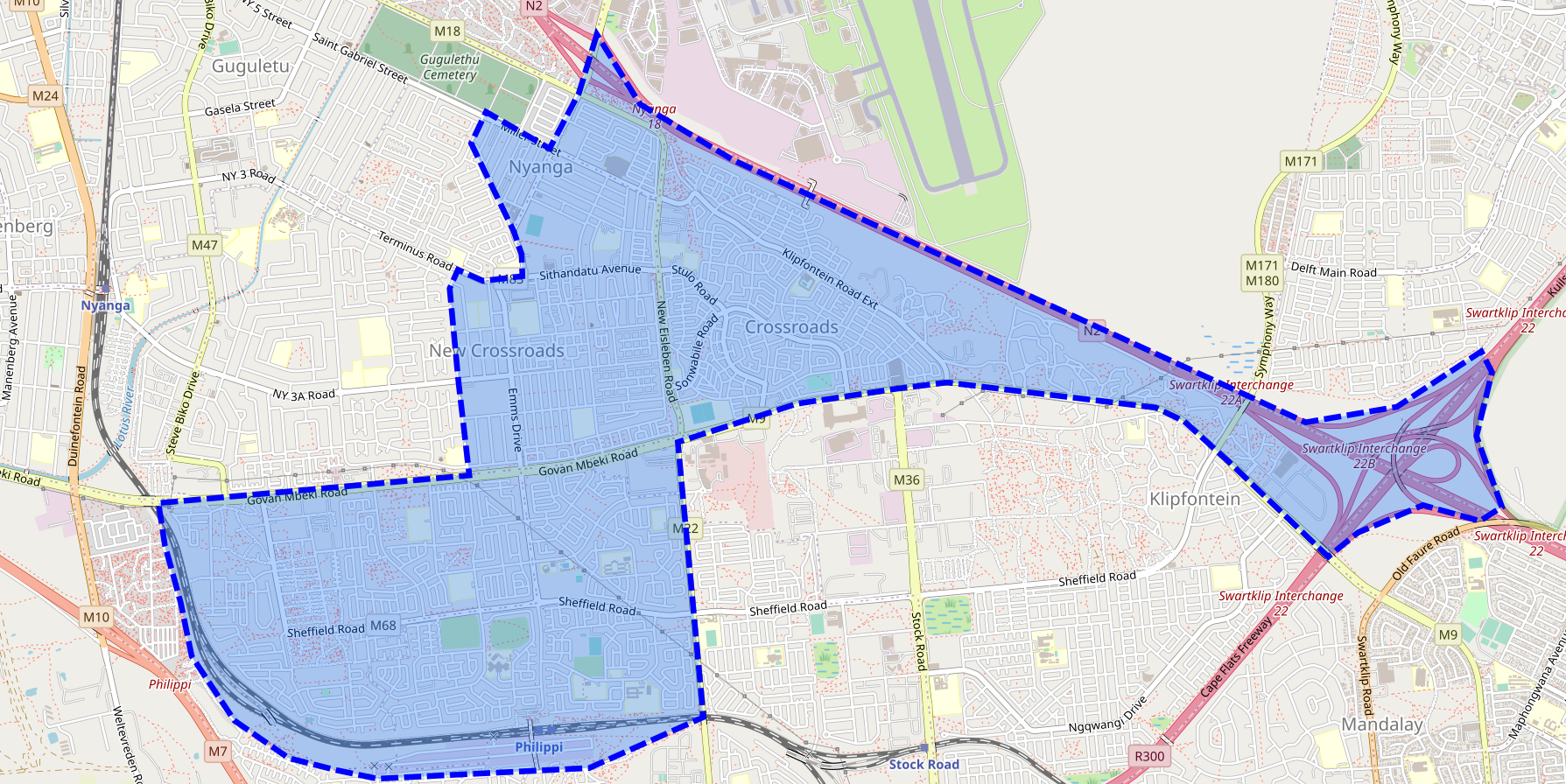
The killings in Area 24 of Umgababa reflect a steep escalation in targeted election violence. A quarterly diagnostic titled Ballots and Bullets, published this month by the Global Initiative Against Transnational Organised Crime, reveals that forty-three individuals were killed across forty-five targeted political attacks between January and September 2026.
The current tally already surpasses the full-year totals recorded during both the 2021 municipal elections (thirty deaths) and the 2024 national elections (thirty-three deaths). KwaZulu-Natal remains the deadliest province. The coastal region recorded sixteen separate assassination incidents, followed closely by Gauteng. The governing ANC accounts for the largest proportion of victims. This toll highlights bitter internal jockeying for ward candidate positions and proportional representation council lists.
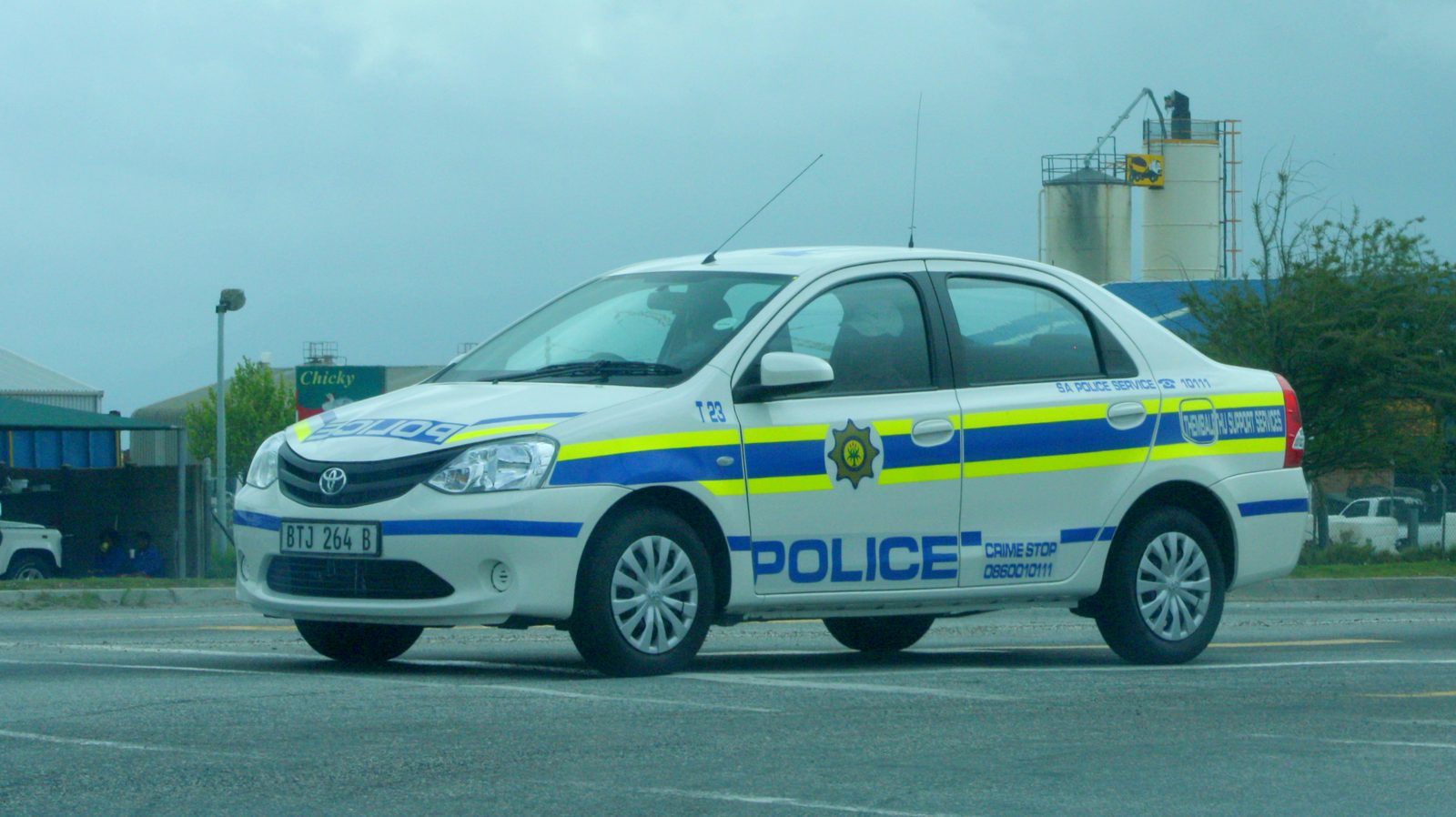
Criminologists and policing researchers emphasize that these attacks represent financial rather than ideological warfare. In municipal politics, control of a council ward commands direct influence over local infrastructure tenders, municipal subcontracting quotas, civic housing lists, and lucrative service provider networks. Eliminating an active campaign coordinator alters the balance of power inside municipal structures before voters reach polling stations on 4 November.
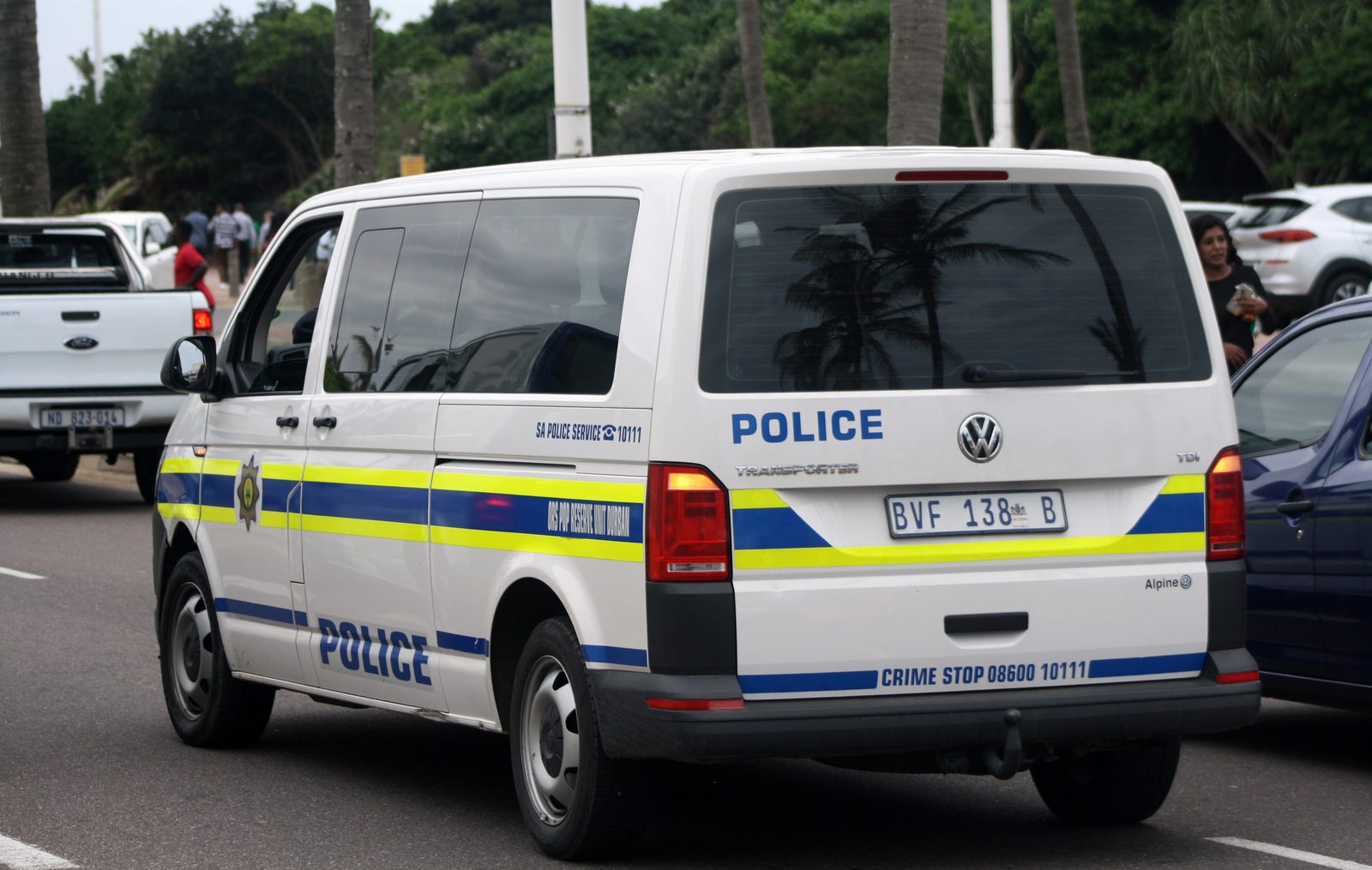
A targeted political killing is an orchestrated assassination carried out by hitmen to eliminate a civic leader, councillor, or political campaigner for control over public resources, municipal offices, or commercial supply chains.
Under South African criminal jurisprudence, political assassinations are prosecuted as premeditated murder under Schedule 6 of the Criminal Procedure Act 51 of 1977. Convictions carry mandatory life sentences.
When criminal syndicates and rogue political actors deploy contract killers during election cycles, violence displaces democratic constitutional processes. The assassinations create climate fear that deters honest public servants while entrenching extortion and municipal corruption.
Residents in contested wards across KwaZulu-Natal and Gauteng face heightened risks of collateral gunfire in public spaces as rival factions deploy heavy assault rifles during neighborhood mobilization drives.
Voters face restricted democratic choices when skilled community organizers and independent voices are eliminated through violence. This intimidation leaves municipal administration in the hands of armed cartels.
National taxpayers bear the financial burden of political instability. State security agencies must deploy costly specialized public order policing and tactical protection units to safeguard polling stations and council chambers.
* Will the Political Killings Task Team identify the financial backers and coordinators who procured the hitmen and weapons used in the Umgababa ambush?
* What dedicated protection will the South African Police Service provide to vulnerable ward candidates and grassroots volunteers in high-risk eThekwini communities?
* Can municipal leadership insulate local supply chain tenders and housing lists to remove the financial incentives driving lethal ward-level competition?