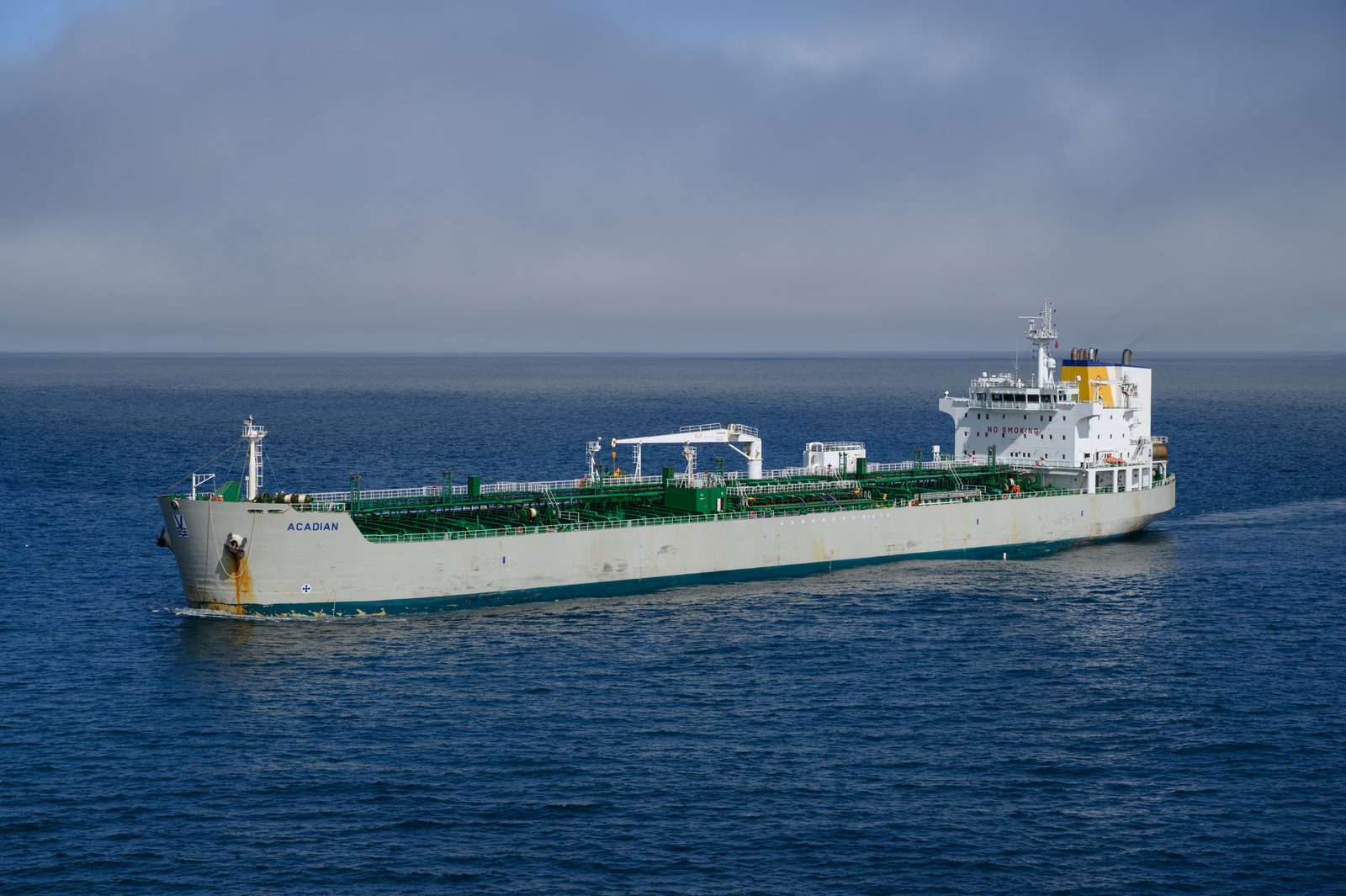
Donald Trump rejected an Iranian proposal to reopen the Strait of Hormuz on Saturday. The deal, put together through mediators in Qatar, would have paused naval hostilities for a week to let commercial oil tankers through. Instead, the American president walked away, insisting that United States warships will keep their naval blockade in place until Tehran surrenders its naval strike power.
The fallout will hit South African households within ten days. International Brent crude is locked above $100 a barrel, while the rand is weak at R16.35 to the dollar. That combination leaves local petrol facing an unprecedented shortfall of roughly R3 a litre for October. If that price gap holds until the official monthly change next week, 95 unleaded petrol will break through the R30 a litre mark at inland filling stations for the first time in South African history.
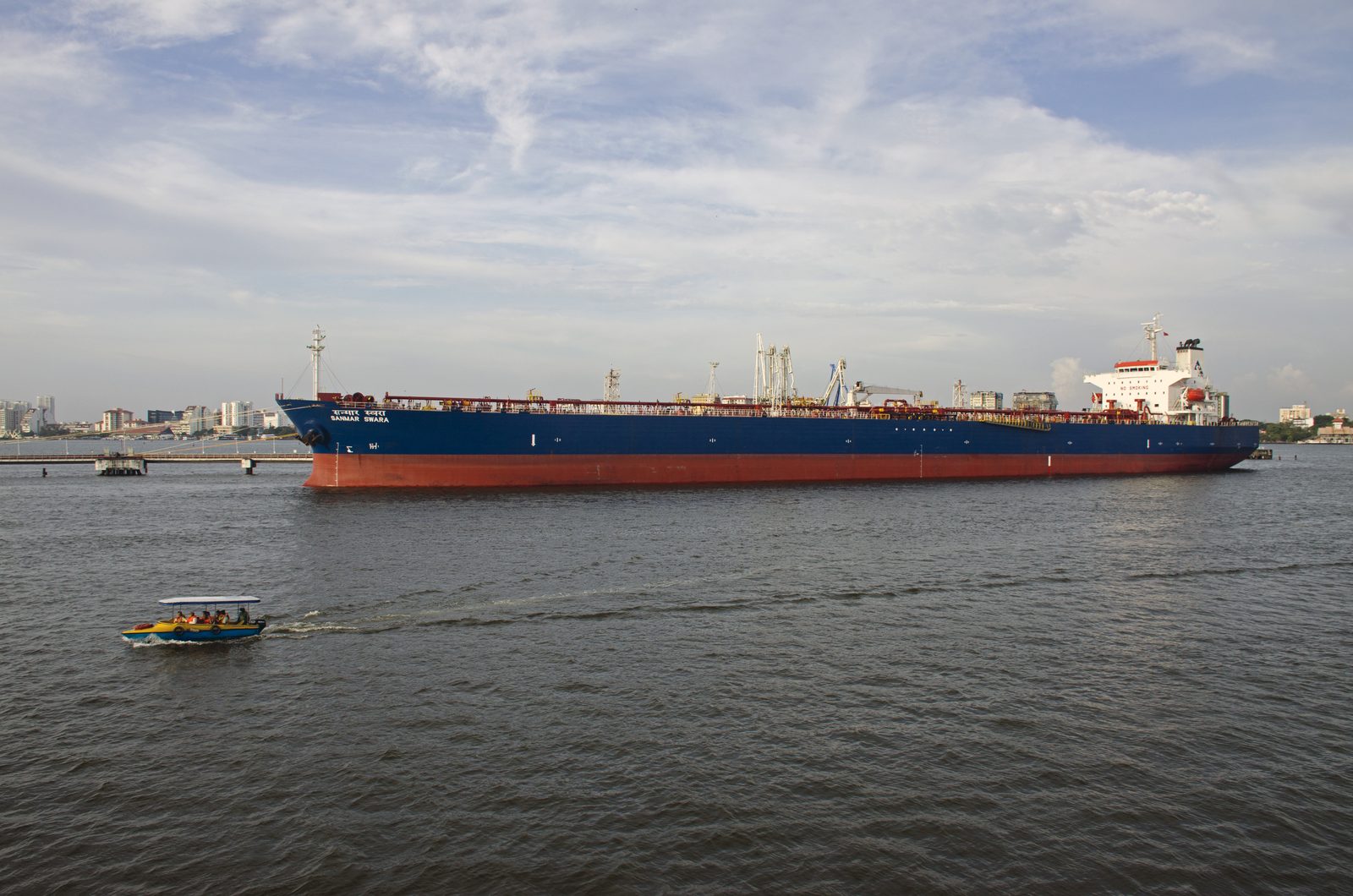
Iranian Foreign Minister Abbas Araghchi tried to tie the shipping truce to sanctions relief. Tehran wanted Washington to lift naval restrictions on Iranian oil terminals and unfreeze state bank accounts abroad. American officials at the United Nations rejected the demand out of hand. They called the offer a trap and warned that American forces will not let Tehran dictate shipping terms in the Persian Gulf while attacks continue across the wider Middle East.
For South Africans, this international standoff arrives at the worst possible moment. The South African Reserve Bank just pushed up the repo rate by 25 basis points last week to fight stubborn inflation. Another massive petrol and diesel hike will instantly bleed into bread delivery costs, farm transport, and minibus taxi fares, wiping out whatever breathing room working families had left at the end of the month.
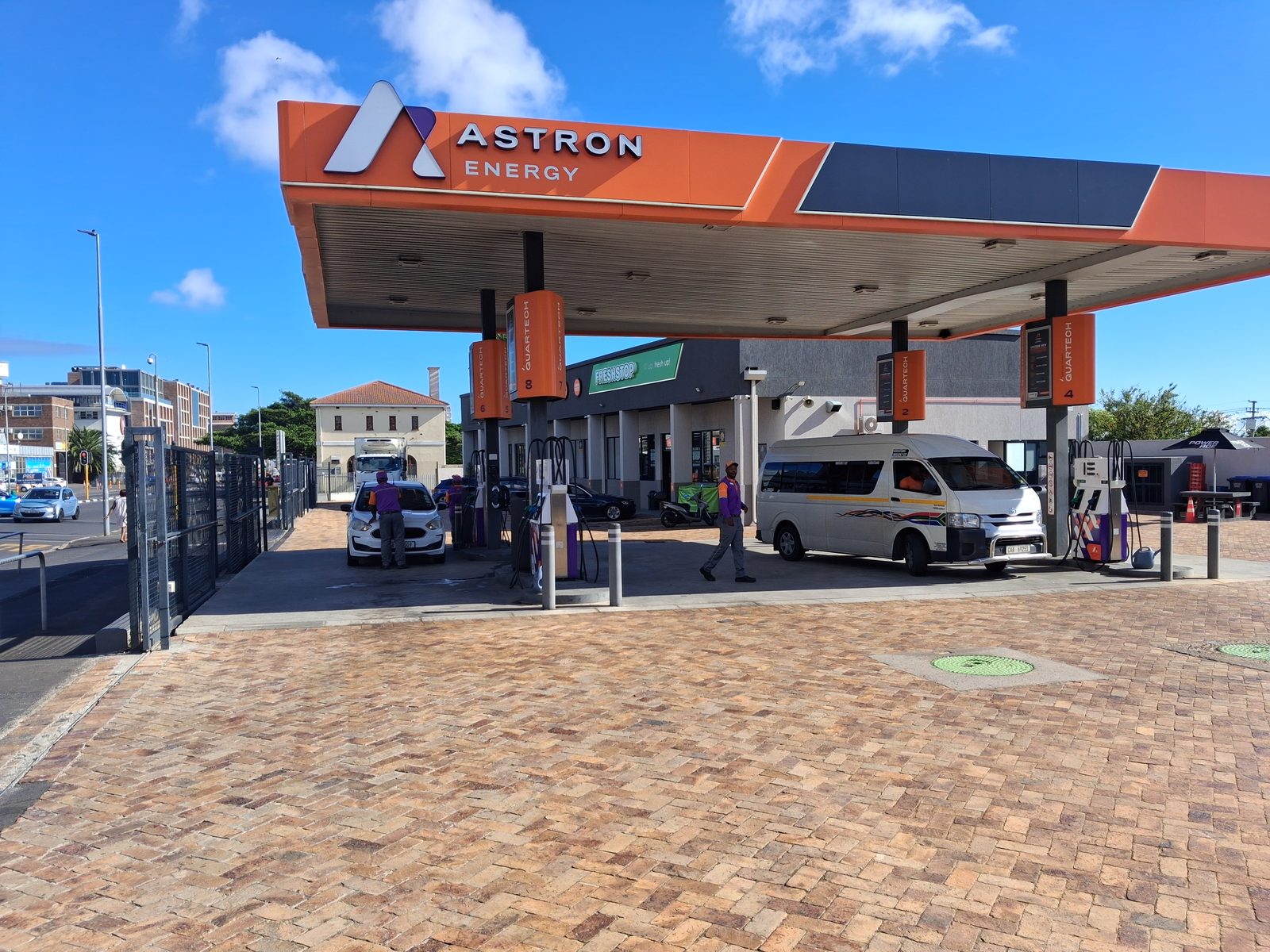
Fuel under recovery happens when the real cost of importing petrol is higher than the official price motorists pay at the pump. The Central Energy Fund tracks this gap every day by checking global oil prices in dollars and converting them at the current rand exchange rate. When a deficit builds up, oil companies are legally permitted to pass the entire bill onto South African drivers on the first Wednesday of every month.
Filling up a standard 50 litre car with 95 petrol will cost an extra R150, pushing a single fill past R1,500. Diesel faces a similar jump of over R3 a litre. Because trucks move almost all food and retail stock across South African highways, logistics companies will add fuel surcharges to every delivery. That means higher checkout prices for maize meal, milk, and cooking oil within days, while local taxi associations prepare to lift commuter fares to survive.
* Will National Treasury step in before 7 October to cut the fuel levy or the Road Accident Fund fee to stop petrol from hitting R30?
* Can diplomatic talks in Qatar find a way to reopen the shipping route before global oil prices force Western nations to tap emergency reserves?
* Will the Reserve Bank raise interest rates again if transport costs blow headline inflation past its target limit?