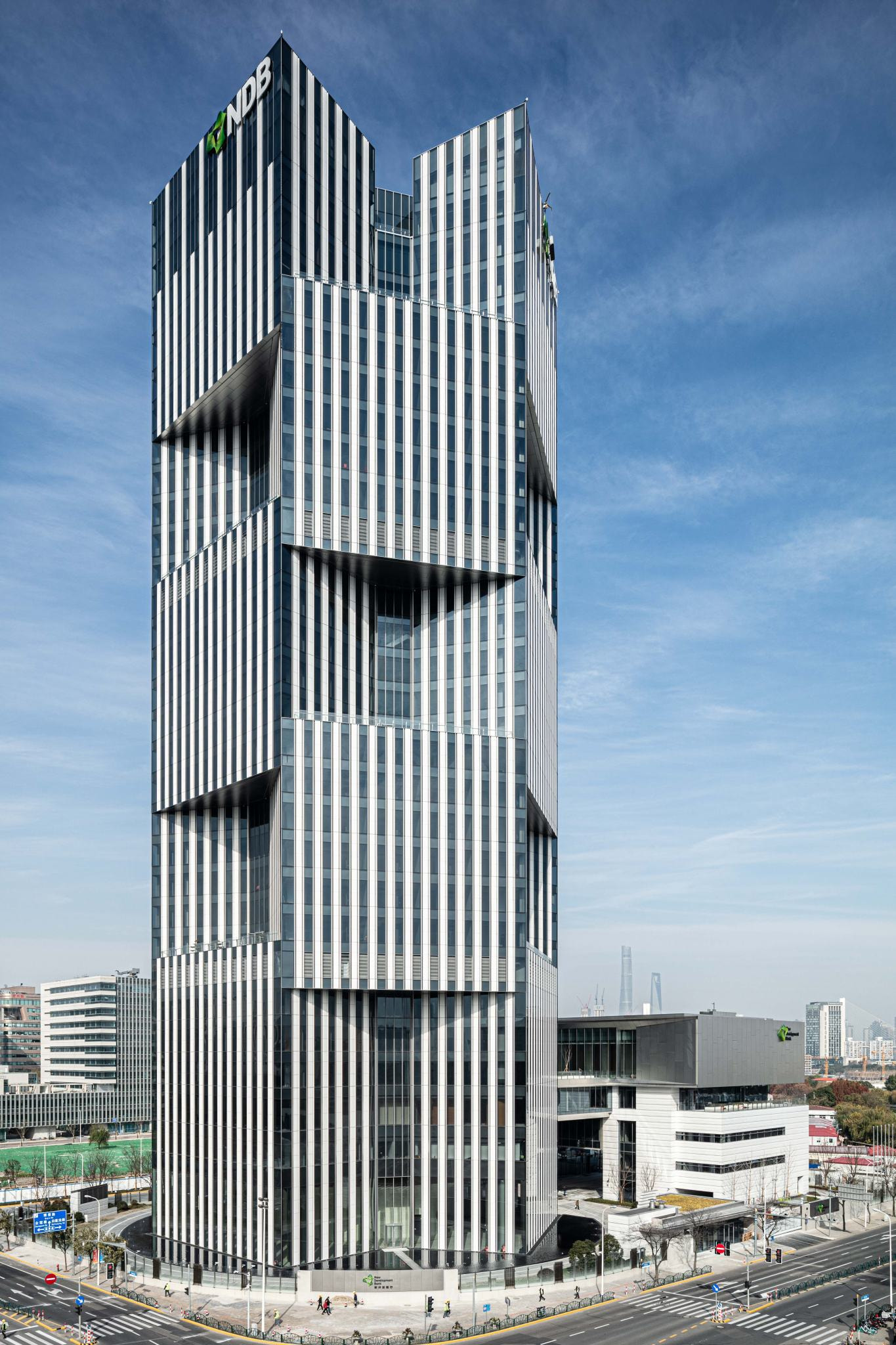
National Treasury confirmed on Tuesday that South Africa has signed a $1 billion loan with the New Development Bank to back the Metro Trading Services Reform Programme. The legal execution is not a ceremonial press-day flourish. It commits the fiscus to a 16-year tenor, a three-year grace period, and a floating interest rate pegged to daily SOFR plus 1.18508%.
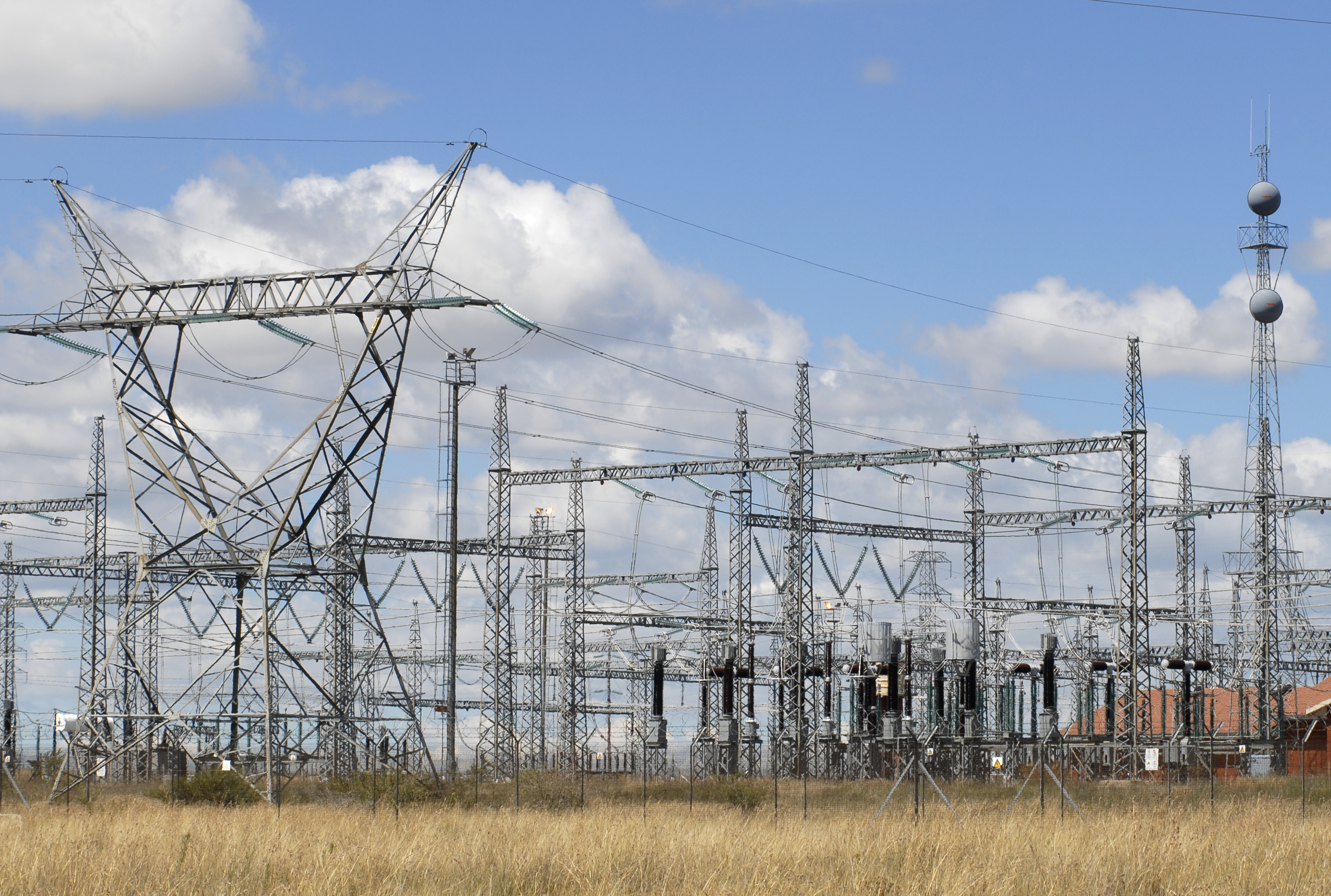
Treasury says the programme is structured to overhaul governance, finances, and day-to-day operations across three critical municipal trading services: water and sanitation, electricity and energy, and solid waste management. The eight metropolitan councils covered by the reform framework are Buffalo City, Cape Town, Ekurhuleni, eThekwini, Johannesburg, Mangaung, Nelson Mandela Bay, and Tshwane. These metros generate the majority of national economic output, yet their residents endure persistent water outages, uncollected refuse, and unstable electrical grids.

The crucial mechanism in this transaction is conditionality. This is a performance-based policy loan where disbursements do not flow automatically upon signature. Financing is strictly tied to institutional restructuring and to independently verified measurable performance targets that municipal councils must formally approve. In its initial release, Treasury did not disclose the specific scorecard targets, the identity of the independent verifier, or the projected date for the first capital drawdown. Those technical covenants determine whether a sovereign borrowing facility translates into working physical infrastructure.
The New Development Bank facility joins other multilateral funding packages assembled for the same municipal overhaul, including a €300 million facility from German development bank KfW and the Agence Française de Développement announced earlier this month. Additional co-financing is anticipated from the World Bank and the Asian Infrastructure Investment Bank. Stacking balance sheets is not the same as pumping clean water. If metropolitan councils cannot ring-fence trading accounts from political interference, enforce billing collections, and curb physical losses on distribution networks, the loan adds dollar-denominated liabilities to the sovereign debt registry while municipal services deteriorate.
With local government elections scheduled for 4 November 2026, political parties will inevitably seek to showcase the $1 billion headline as a tangible delivery milestone. The substantive governance test is far narrower: which metro councils possess the political stability to adopt the operational targets, and whether disbursements halt if audit metrics are missed.
A performance-based development loan differs fundamentally from a traditional project loan or capital grant. The national government borrows hard currency on concessionary terms, but capital is released in tranches only after borrowing entities achieve predefined institutional, financial, and operational milestones. If a metro fails to meet verified benchmarks on revenue collection, pipe replacement, or wastewater treatment, the multilateral lender withholds disbursement while the sovereign borrower remains bound by the underlying debt covenants.
For metropolitan ratepayers, this financing model aims to force municipalities to manage water, electricity, and waste services as self-sustaining utility businesses rather than discretionary political accounts. It does not deliver immediate tariff relief. In practice, achieving financial sustainability often requires municipal councils to enforce stricter credit control, close illegal connections, and adjust tariffs toward cost-reflective levels. Furthermore, borrowing in foreign currency while Brent crude trades near $108 per barrel leaves public debt service vulnerable to rand depreciation, offsetting some of the interest rate advantages negotiated at the signing table.
• Who will be appointed as the independent verification agent, and when will National Treasury publish the baseline performance metrics required from each of the eight metropolitan councils?
• Which metro will be first to pass a formal council resolution adopting the loan covenants, and what specific capital projects will receive priority funding?
• If a metropolitan municipality fails its performance audit in the run-up to the 4 November local government elections, will National Treasury suspend disbursements or waive conditionality to prevent service collapse?