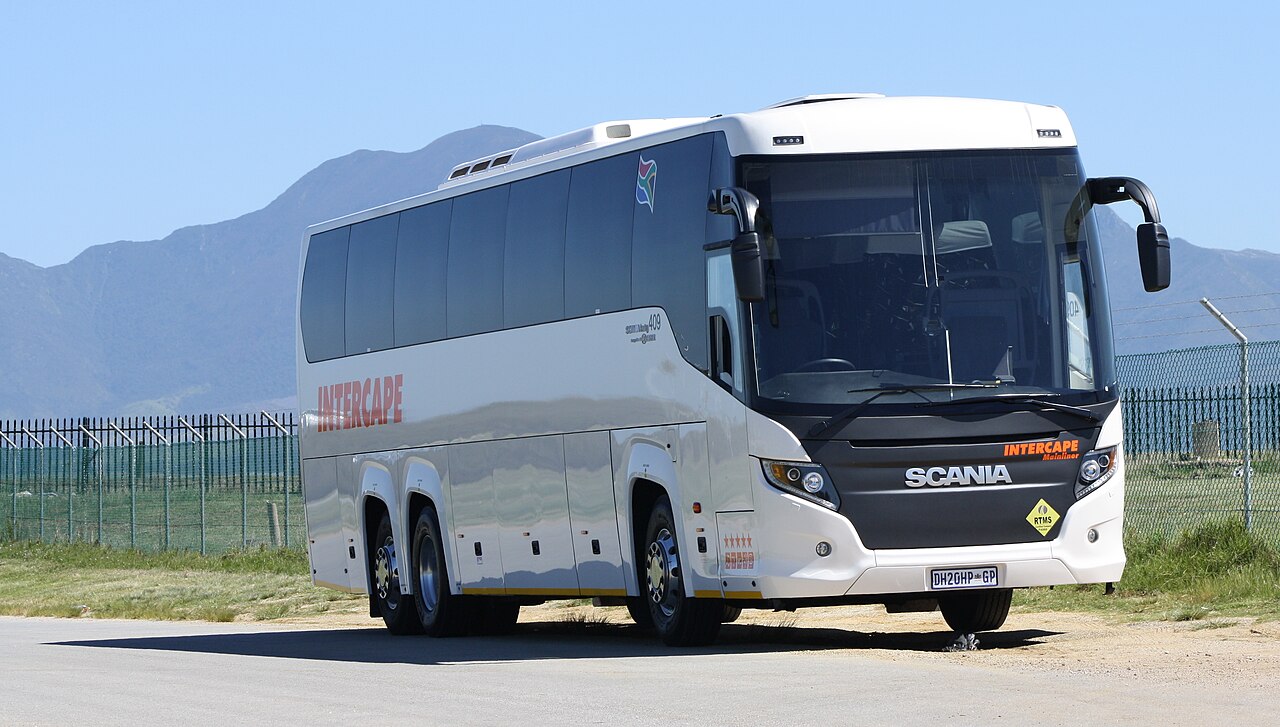
A fragile calm returned to the Eastern Cape interior following weeks of crippling transport blockades, but the peace rests on a ticking clock. The Ngcobo Taxi Association has issued a formal 21-day ultimatum to national and provincial authorities, demanding that long-distance coach operator Intercape be barred from loading passengers in the town.
The ultimatum follows emergency talks convened at the Dr AB Xuma Local Municipality between taxi executives and the National Joint Operational and Intelligence Structure alongside senior transport officials. Taxi operators had shut down Ngcobo from mid-August, blocking regional arterial roads, preventing civil servants from reaching hospitals and clinics, and stopping private motorists who dared to transport neighbors. The association agreed to temporarily halt the blockade, but warned that full-scale disruption will resume if government fails to resolve their demands before the deadline expires at the end of September.
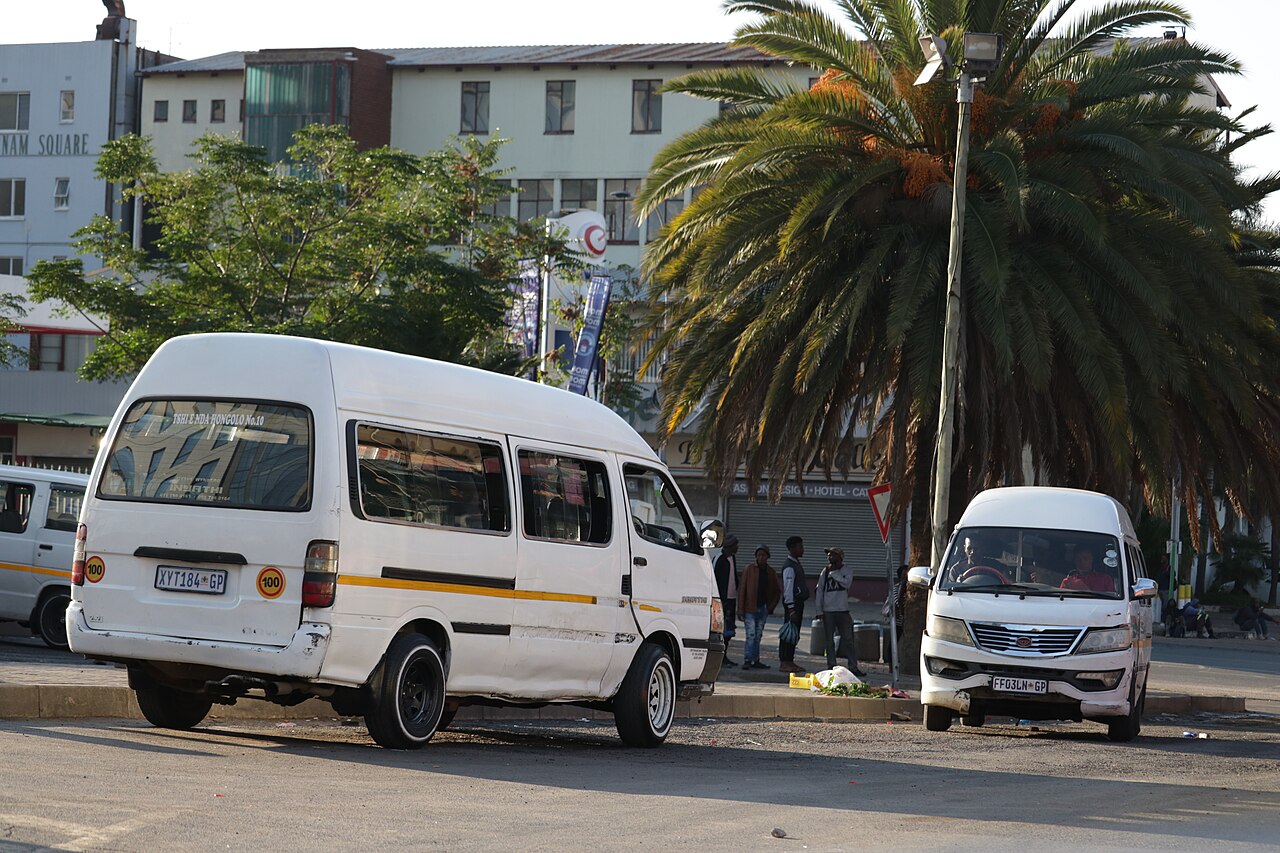
At the heart of the standoff is a raw economic clash over passenger revenue on lucrative long-distance corridors connecting rural Eastern Cape towns to Johannesburg and Cape Town. Taxi bosses argue that Intercape daily departures constitute hostile competition that drains income from local minibus fleets. While taxi associations tolerate select private bus operators whose proprietors hold membership in local taxi bodies, they demand the total exclusion of Intercape. For rural passengers, losing access to scheduled coach services means losing affordable, reliable travel options, leaving them captive to unregulated taxi fares and volatile loading ranks.
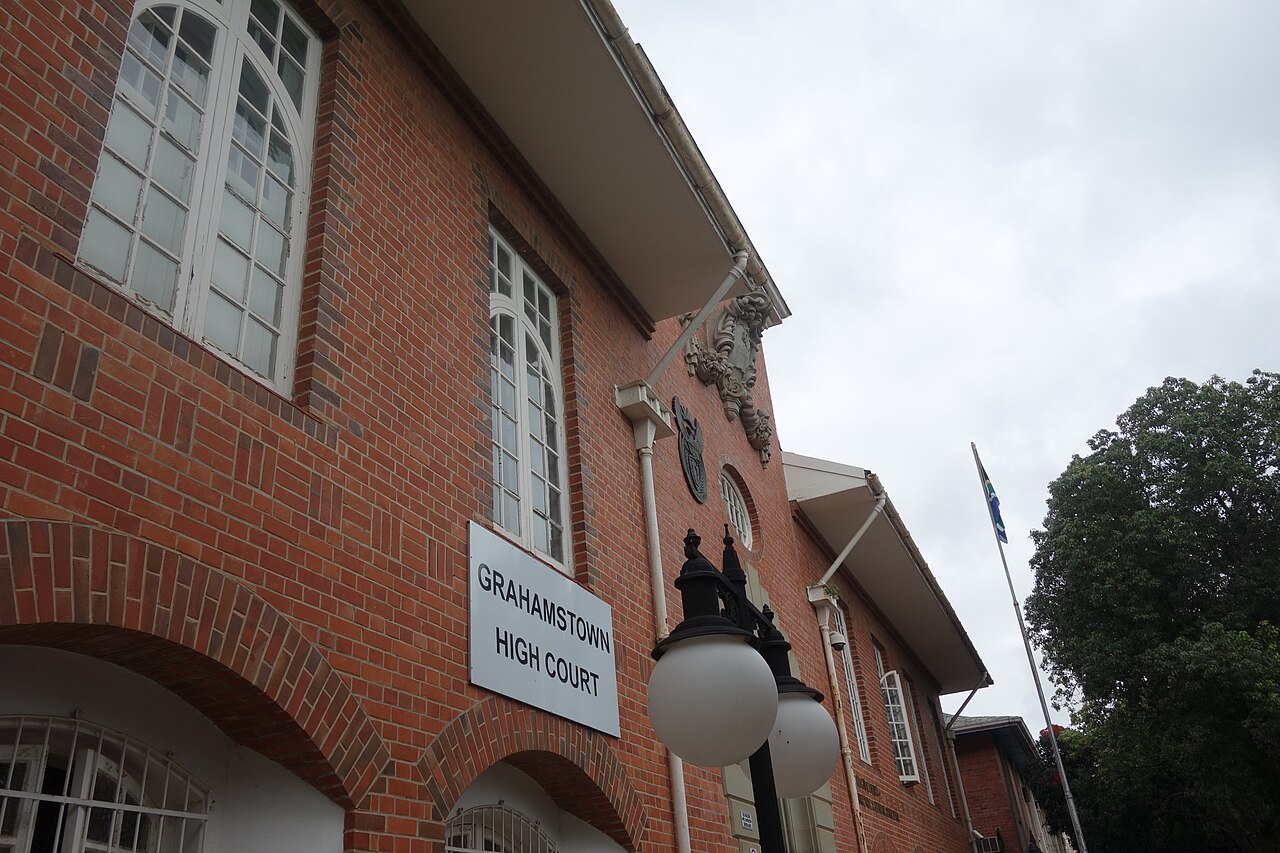
The confrontation represents a direct challenge to the authority of the judiciary. The Eastern Cape Division of the High Court in Makhanda has repeatedly granted orders compelling the South African Police Service and the provincial Transport Department to deploy armed escorts and maintain visible security at Intercape stops. Despite these binding judgments, bus operators have endured continuous harassment, blocked terminals, and armed threats along Eastern Cape routes. Senior police commanders now face formal contempt of court proceedings in Makhanda, with judgment expected on 13 October 2026.
A long-distance operating permit is a statutory license issued by provincial regulatory entities under the National Land Transport Act, authorizing a transport operator to convey passengers along designated interprovincial routes and service specific municipal stops. Territorial route exclusivity, by contrast, is an informal commercial enforcement mechanism where minibus taxi associations claim exclusive monopoly rights over passenger loading within a geographical radius, using intimidation and physical blockades to prevent licensed bus operators from picking up travelers.
If you travel between Eastern Cape towns and major economic hubs like Gauteng or the Western Cape, your ability to choose safe, scheduled coach travel is directly under threat. A state concession to taxi demands would strip rural commuters of cheaper bus fares and set a dangerous national precedent where commercial transport permits can be voided through extortion and highway blockades. If the 21-day deadline expires without an agreement, commuters face renewed regional shutdowns, shuttered public clinics, and stranded cross-country journeys.
• Will the Department of Transport defend Intercape statutory operating permits or yield to taxi demands by restricting rural passenger loading rights?
• How will the South African Police Service enforce Makhanda High Court protection orders if taxi operators carry out threats to shut down transit corridors when the 21-day window lapses?
• What legal consequences will senior police leadership face on 13 October if the High Court finds commanders guilty of contempt for failing to protect coach operators?
• Why have municipal authorities failed to establish secure, neutral public transit terminals that accommodate both minibus operators and licensed long-distance bus fleets?
• What contingency measures are in place to safeguard health workers, learners, and essential supply chains in the event of renewed town blockades?