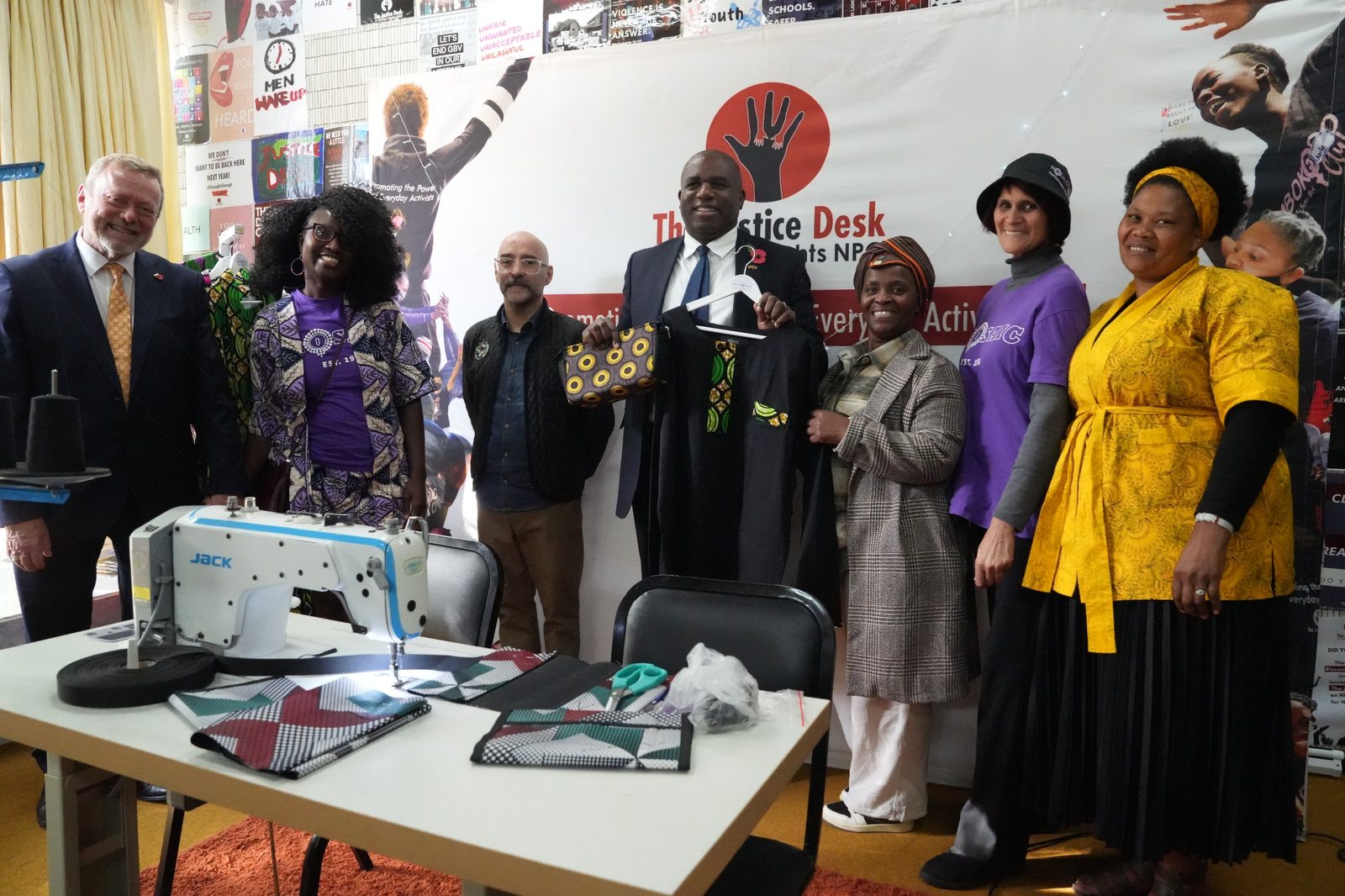
Three of South Africa's constitutional watchdog bodies opened public hearings in Braamfontein on Tuesday to investigate why the criminal justice system routinely abandons victims of violent crime long before a trial ever begins. The joint inquiry, convened by the Commission for Gender Equality, the South African Human Rights Commission, and the CRL Rights Commission, heard opening testimony that stripped away the polish of official government strategies. Survivors and frontline legal clinics described a reality where victims of sexual assault and domestic violence are forced to act as their own unpaid case managers.
Testimony on day one focused on the critical pre trial pipeline where thousands of cases quietly collapse. Witnesses explained that women reporting rape or assault at local police stations are routinely forced to plead with reluctant officers to open a docket. When a case number is finally issued, the burden shifts entirely onto the survivor. Complainants must buy airtime to contact overworked detectives, find their own transport to deliver medical J88 examination forms to district clinics, and locate private addresses for suspects because stations claim they have no working patrol vans.
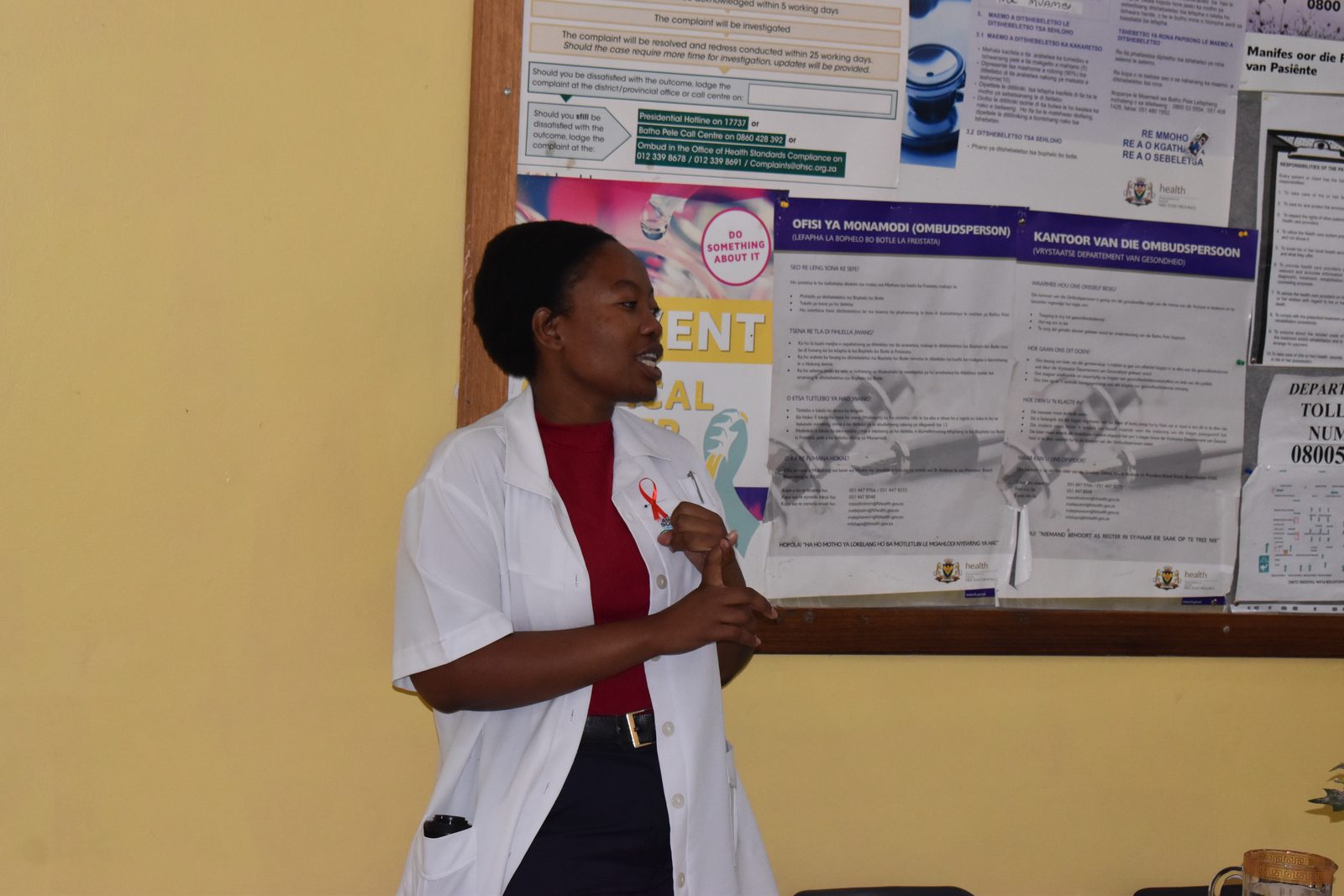
This administrative breakdown occurs despite the existence of the National Strategic Plan on Gender Based Violence and Femicide, which specifically mandates seamless protection and justice under Pillar 3. Presentations before the commissioners cited first quarter crime data showing 8,814 reported rapes and 569 women murdered across the country. Yet legal practitioners testified that only a tiny fraction of these cases survive the pre trial phase. When dockets go missing from unlocked registry cupboards or forensic test results stall for months, prosecutors strike the matters off the court roll for lack of evidence.
The four day hearing at Braampark Office Park comes against the backdrop of a bloody weekend that saw mass tavern shootings on the West Rand and unresolved femicide clusters across Ekurhuleni. The Chapter 9 panel emphasized that the inquiry is not designed to gather generic emotional testimony about whether violence exists. Instead, the panel is targeting the specific failure points inside police charge offices, district health clinics, and the National Prosecuting Authority.
By Friday, senior representatives from the South African Police Service and the Department of Justice will be compelled to answer these findings on the record. Commissioners warned that official presentations relying on broad policy promises will no longer suffice. The panel will table statutory recommendations directly before Parliament to compel the state to explain why ordinary women must do the work of trained detectives.
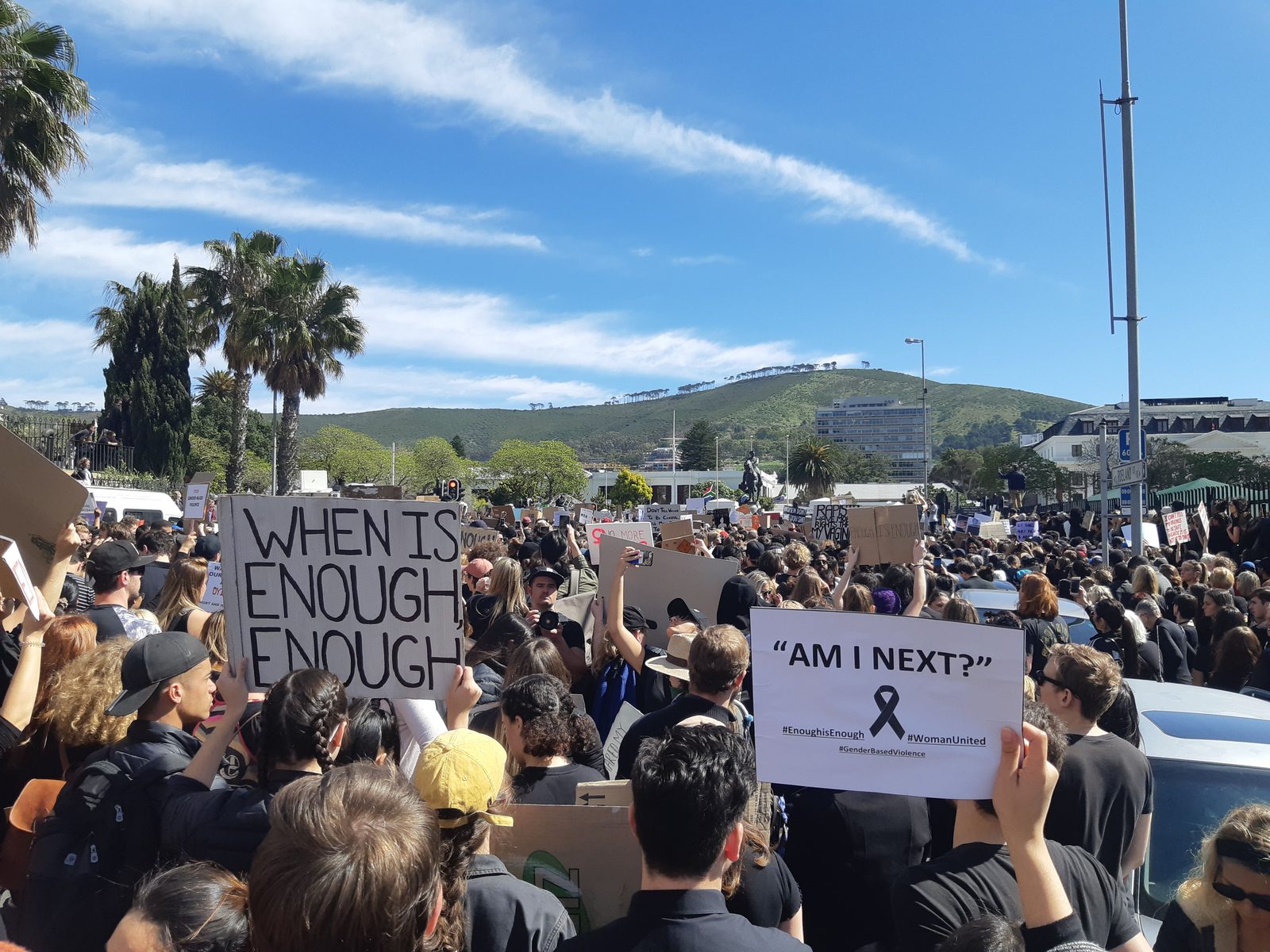
A Chapter 9 Joint National Inquiry is an extraordinary statutory mechanism where multiple constitutional watchdogs combine their legal mandates to investigate systemic human rights failures. Under Section 181 of the Constitution, these bodies possess independent subpoena powers to summon executive directors, police generals, and municipal executives to testify under oath. Unlike departmental task teams appointed by ministers, the findings and directives of a Chapter 9 panel are tabled directly in the National Assembly, giving them formal legislative oversight and public record status.
If you or someone in your family walks into a police station to report a sexual offence or domestic abuse, the law guarantees you immediate protection, a private consultation room, and state funded medical care. In practice, however, you enter a broken administrative gauntlet. Unless you continuously follow up with the investigating officer, demand your case number, and ensure your medical J88 form is safely attached to the police docket, your complaint risks being quietly closed while your attacker walks free in your neighbourhood.
* Will senior commanders from the South African Police Service produce audited station level records showing how many gender based violence dockets were closed without arrest over the past year?
* What immediate funding will the Department of Health allocate to ensure that all 24 hour district clinics keep certified rape examination kits and forensic nurses on duty?
* How will the Chapter 9 commissions enforce their final recommendations when previous presidential summit declarations have failed to fix frontline police conduct?