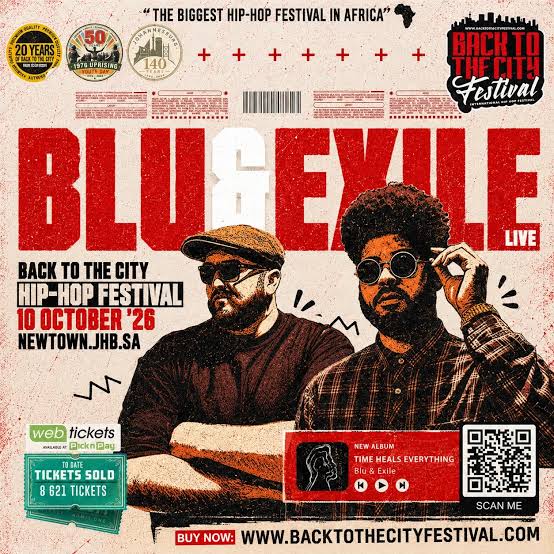
Organizers emphasize that adding Slum Village aligns with the festival's ongoing commitment to building bridges between African hip-hop audiences and the global pioneers who helped shape the culture.
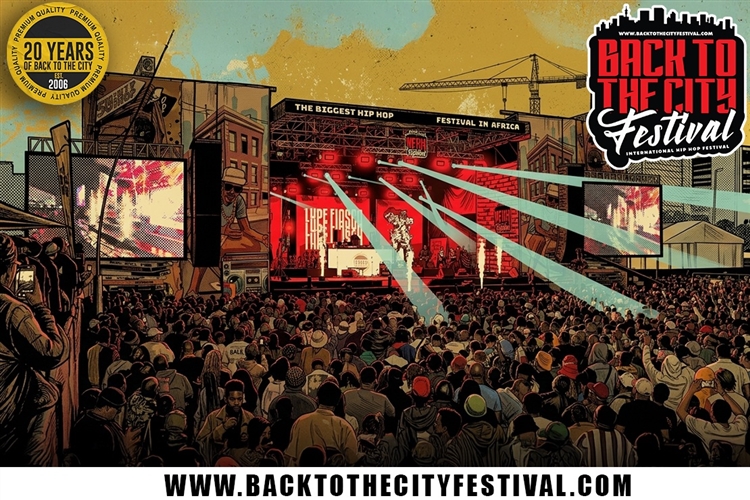
The Slum Village & J Dilla Legacy
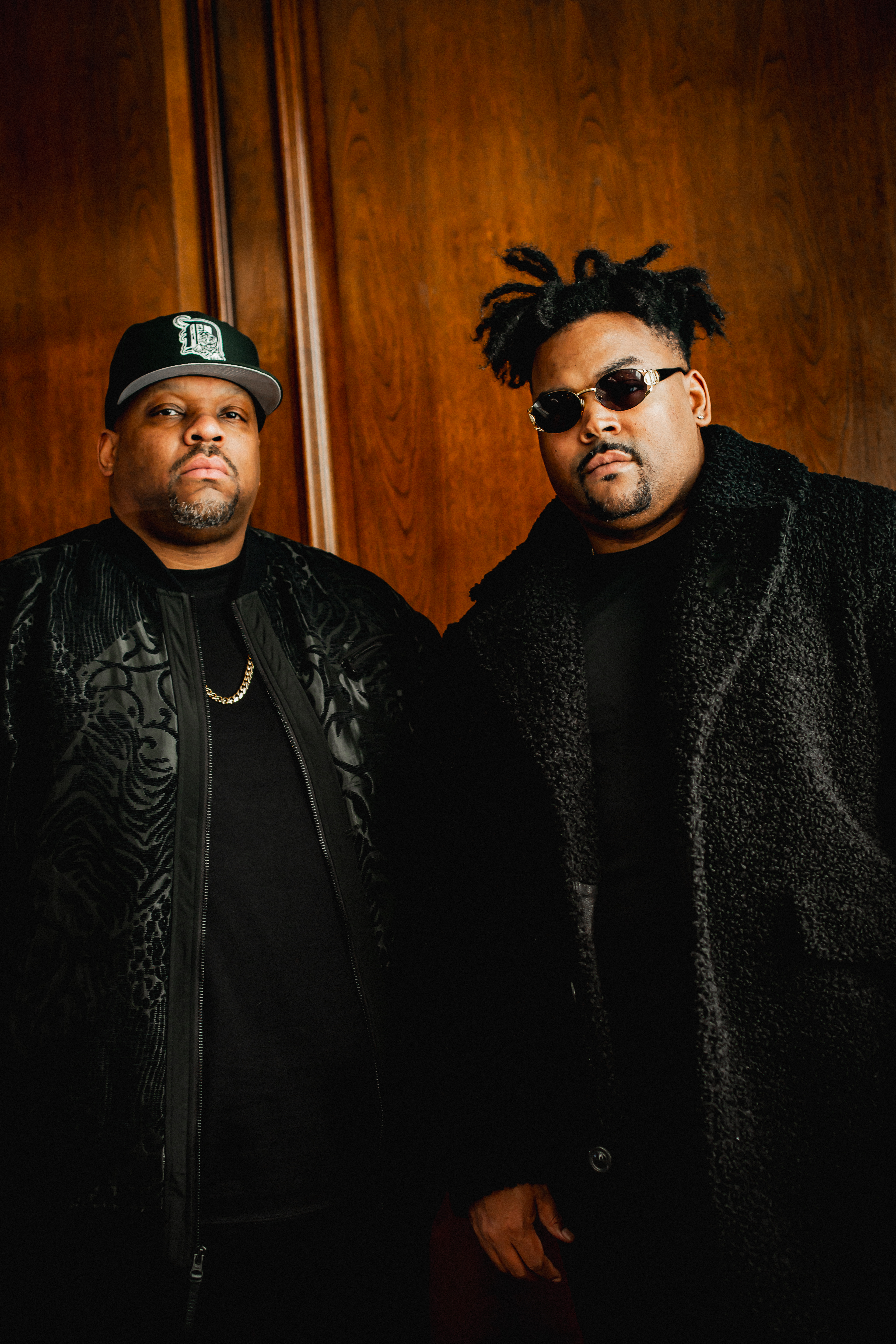
Emerging from Detroit’s Conant Gardens in the early 1990s, Slum Village reshaped hip-hop production:
Founding Architecture: Created by T3, Baatin, and producer J Dilla, whose unquantized, swing-heavy drum patterns redefined music production worldwide.
Cross-Genre Impact: Influenced the development of neo-soul, alternative hip-hop, and modern beat culture across North America, Europe, and Africa.
Enduring Evolution: Maintained active continuity through original member T3 and producer Young RJ, releasing collaborative projects like F.U.N. alongside classic hits like "Selfish" and "Tainted."
KEY DEVELOPMENTS IN THE ANNOUNCEMENT
Line-Up Addition: Slum Village officially joins the Back to the City 2026 performance schedule in Johannesburg.
Heritage & Roster: Original member T3 alongside Young RJ will represent the group’s classic and contemporary catalog.
Cultural Context: Festival founder Osmic Menoe frames the booking as a celebration of authentic Detroit hip-hop influence.
Festival Expansion: Joins an evolving 2026 festival bill, with further international and local program updates expected in the coming months.
THE BLUEPRINT: FESTIVAL IMPACT & CULTURAL VALUE
Global Connection: Connecting South African audiences directly with the roots of Detroit's production legacy.
Generational Appeal: Combining nostalgia from landmark albums like Trinity with recent releases featuring Cordae and Larry June.
Platform Elevation: Reinforcing Back to the City’s reputation as Africa’s primary platform for hip-hop culture.
Live Experience: Local hip-hop fans and producers gain a rare opportunity to experience classic Detroit production and lyricism live in Johannesburg.
Cultural Continuity: Demonstrates the continued relevance and global reach of 1990s underground hip-hop pioneers in modern music festivals.
How does the inclusion of foundational international acts elevate the profile of local African festival properties?
What legacy acts or contemporary collectives should international festivals prioritize to bridge generational divides?
Have a perspective on this story? Leave your comment below and join the debate on News Definition.