
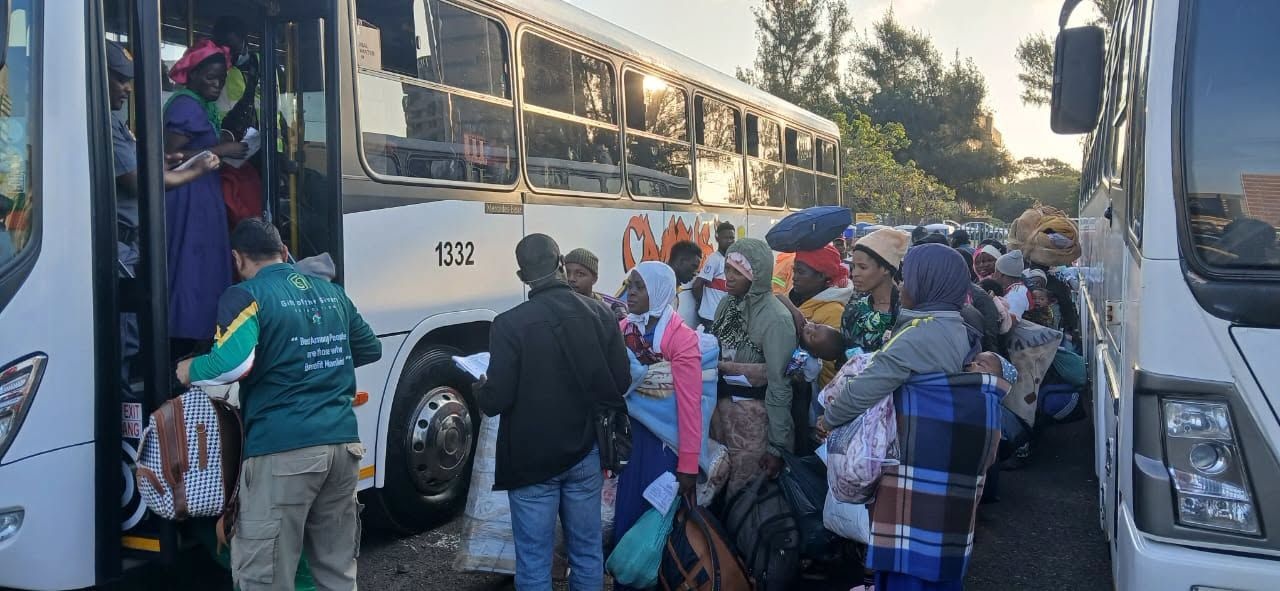
Data disclosed by the Department of Home Affairs (DHA) reveals that operational, logistical, and processing expenses averaged at least R3,414 per foreign national. To execute the rapid deployment, Home Affairs bypassed standard governance fail-safes—leaving the department reliant on an emergency funding application to National Treasury that has yet to be approved.
Unforeseen Expenditure & Departmental Virements
State finance laws govern how unbudgeted emergency spending is managed within South African public sector departments:
Unforeseen and Unavoidable Expenditure: Special emergency funding requested from National Treasury under the Public Finance Management Act (PFMA) for unexpected crises.
Virements & Forced Savings: The reallocation of approved funds from one program or line item to cover overspending in another when extra funding is denied.
Interdepartmental Reimbursement Claims: Mechanisms used by central departments (e.g., DHA) to payback municipalities and provincial entities for emergency infrastructure and security services rendered during operations.
KEY DEVELOPMENTS IN THE ANNOUNCEMENT
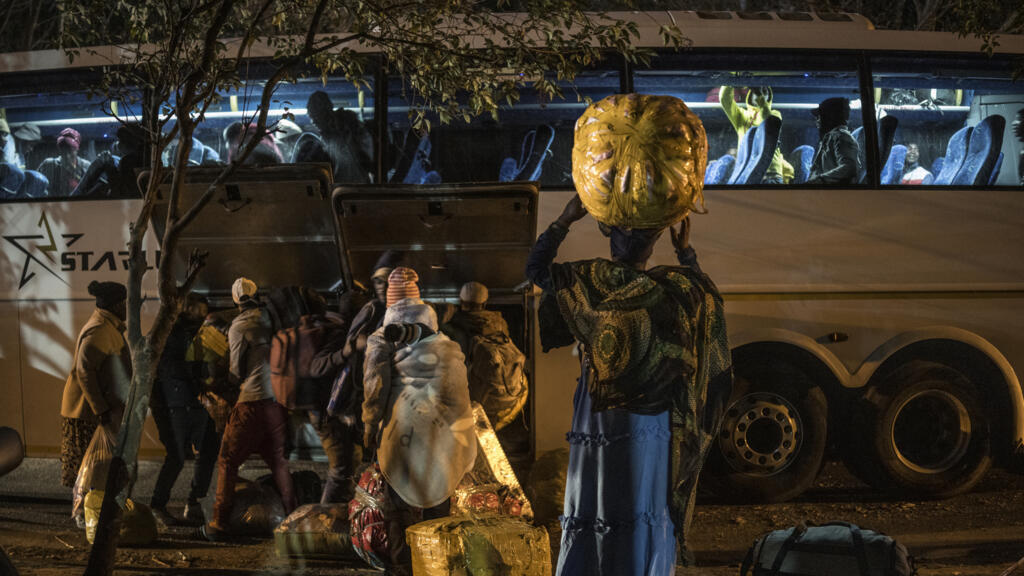
Total Operational Cost: R341,200,000 spent between June 30 and August 18, 2026.
Volume Processed: 99,933 individuals repatriated out of South Africa, predominantly through border hubs like Beitbridge.
Per-Capita Breakdown: Minimum cost of R3,414 incurred per foreign national.
Fiscal Safeguard Bypass: Home Affairs reimbursed cities and transport networks by overriding baseline financial controls while submitting emergency claims.
Treasury Dependency: If National Treasury rejects the emergency expenditure request, Home Affairs will be legally required to execute internal budget cuts and forced savings across its baseline programs.
THE BLUEPRINT: REPATRIATION FUNDING FLOW
Emergency Deployment: Municipalities and regional agencies establish temporary processing and transport logistics during protests.
Interdepartmental Claims: Cities submit expenditure claims back to the Department of Home Affairs for direct reimbursement.
Treasury Approval vs. Reprioritization: Home Affairs seeks National Treasury bailout; if denied, baseline operational funds are slashed to cover the deficit.
Taxpayer Impact: Unplanned emergency spending diverts hundreds of millions of rands away from core government initiatives.
Service Delivery Delays: Potential baseline budget cuts at Home Affairs could slow down domestic civic services, passport processing, and routine border control operations.
How should South Africa structure emergency funding models for sudden border and immigration crises?
What baseline Home Affairs programs will be most affected if Treasury enforces internal budget cuts?
Have a perspective on this story? Leave your comment below and join the debate on News Definition.