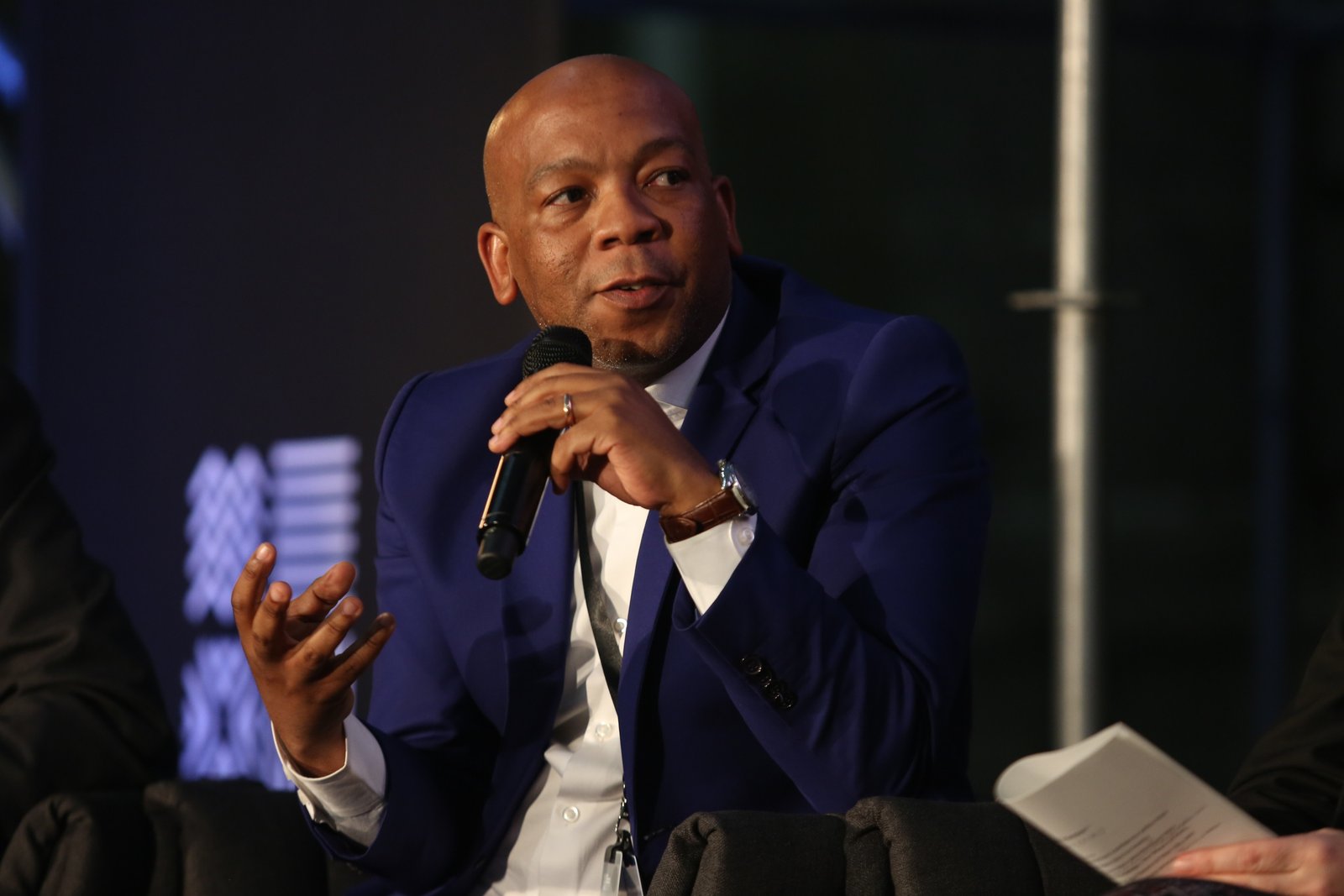
Electricity and Energy Minister Kgosientsho Ramokgopa has disclosed official figures confirming that a statutory energy subsidy continues to bypass the poorest homes in the country. In a written parliamentary reply to DA MP Kevin Mileham, reported on 8 October 2026, the minister stated that only 1.7 million of approximately 2.8 million identified indigent households received their statutory free basic electricity allocation.
The 2.8 million baseline derives from Statistics South Africa's 2023 Non-Financial Census of Municipalities rather than a live 2026 register audit. On the minister's published figures, approximately 1.1 million already identified households receive zero benefits despite meeting the criteria for state support.
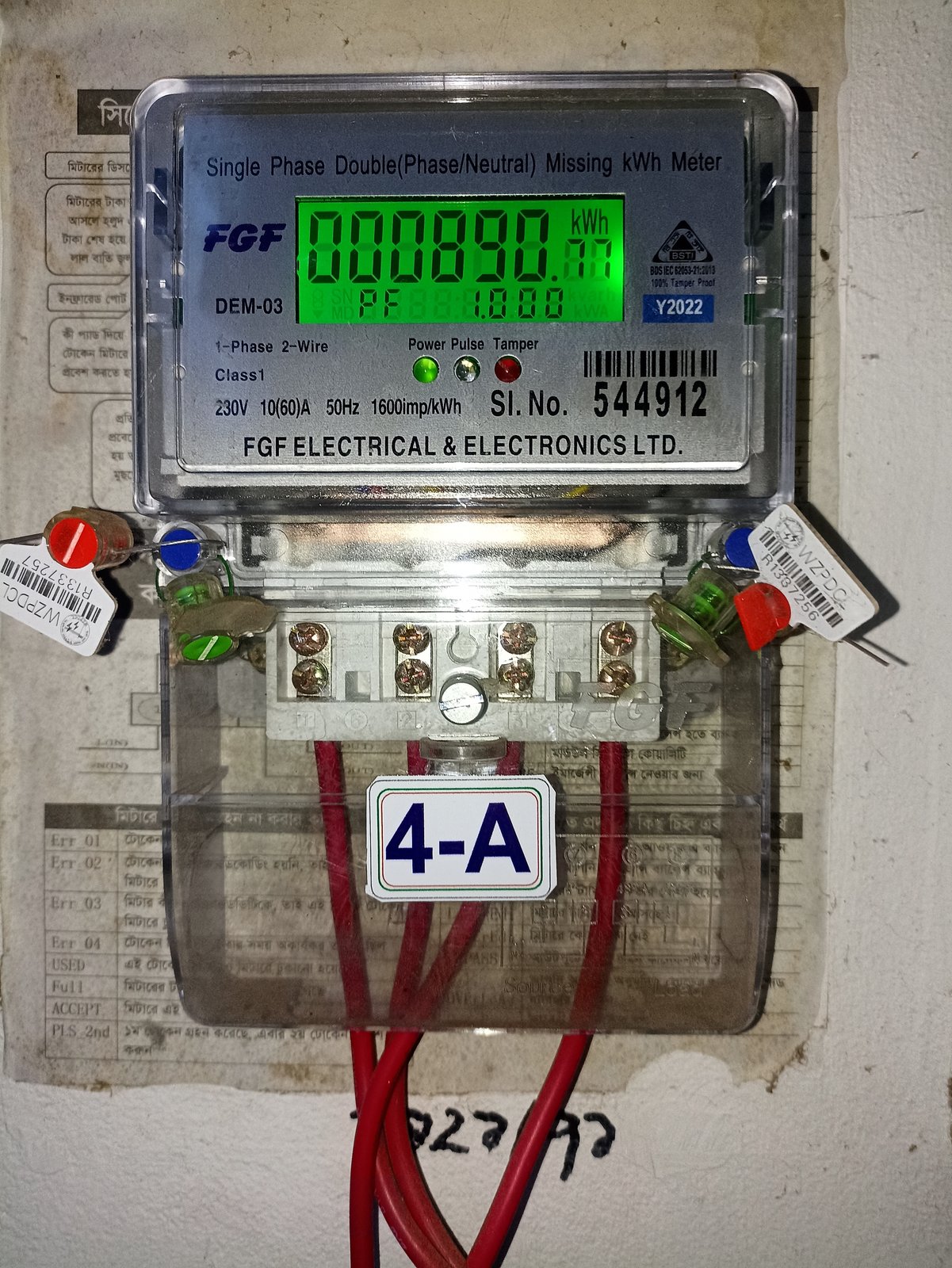
Ramokgopa attributed the massive delivery shortfall to administrative fragmentation across local government. Weak municipal record keeping, inconsistent indigent qualifying thresholds, and outdated billing software prevent qualifying residents from collecting their monthly units. The department is also reviewing whether municipalities pass on the full 50 kWh allocation or withhold fractions of the token to balance bulk utility arrears.
To eliminate municipal gatekeeping, the department has opened discussions with National Treasury to redirect free basic electricity funding directly to Eskom. Under the proposed model, Eskom would establish a centralised national indigent database and credit prepaid meters directly. Those discussions remain an administrative proposal rather than an approved policy transfer, and no statutory gazette has been published.
Free basic electricity is a national social protection policy adopted in 2003 to provide indigent households with 50 kWh of electricity each month at zero cost. Funded through the local government equitable share allocated by National Treasury, the subsidy is intended to cover basic lighting, water boiling, and small media consumption. Under current fiscal architecture, local municipalities control both the beneficiary registers and token disbursements.
If your household qualifies on a municipal indigent register but your prepaid meter receives no free monthly tokens, you continue paying standard retail tariffs for essential power. Cutting municipal councils out of the allocation would guarantee automated tokens through Eskom systems. Until National Treasury approves a direct funding mechanism, municipal billing offices retain full control over who receives free power.
* Will National Treasury agree to redirect equitable share subsidies away from local municipalities to fund direct Eskom transfers?
* How will Eskom verify qualifying indigent households in areas where municipal distributors own the local reticulation grid?
* When will the Department of Electricity and Energy publish an updated national audit replacing the outdated 2023 municipal census baseline?