
South Africa's telecommunications operators have been forced into an aggressive militarisation of their cellular base stations, erecting reinforced concrete bunkers and deploying private tactical units to shield critical power infrastructure from organized criminal cartels. Across rural KwaZulu-Natal, Mpumalanga, and the Eastern Cape, industrial syndicates equipped with oxyacetylene torches and heavy hydraulic cutters breach remote tower compounds nightly, looting high-capacity lithium-ion backup batteries to feed an insatiable parallel market spanning illicit domestic solar installations and cross-border distribution networks into neighboring states.
The financial drain on network balance sheets has reached structural proportions. Mobile operator MTN committed R1.5bn solely to harden base stations against vandalism and fortify backup energy systems, while Vodacom logs annual losses between R100m and R120m from direct equipment theft and site damage. Replacing a single commercial lithium-ion battery pack costs roughly R30,000, but the true commercial liability includes structural repairs, round-the-clock armed guard rotations, and specialized biometric locks, turning routine base station maintenance into a multi-million rand security campaign.
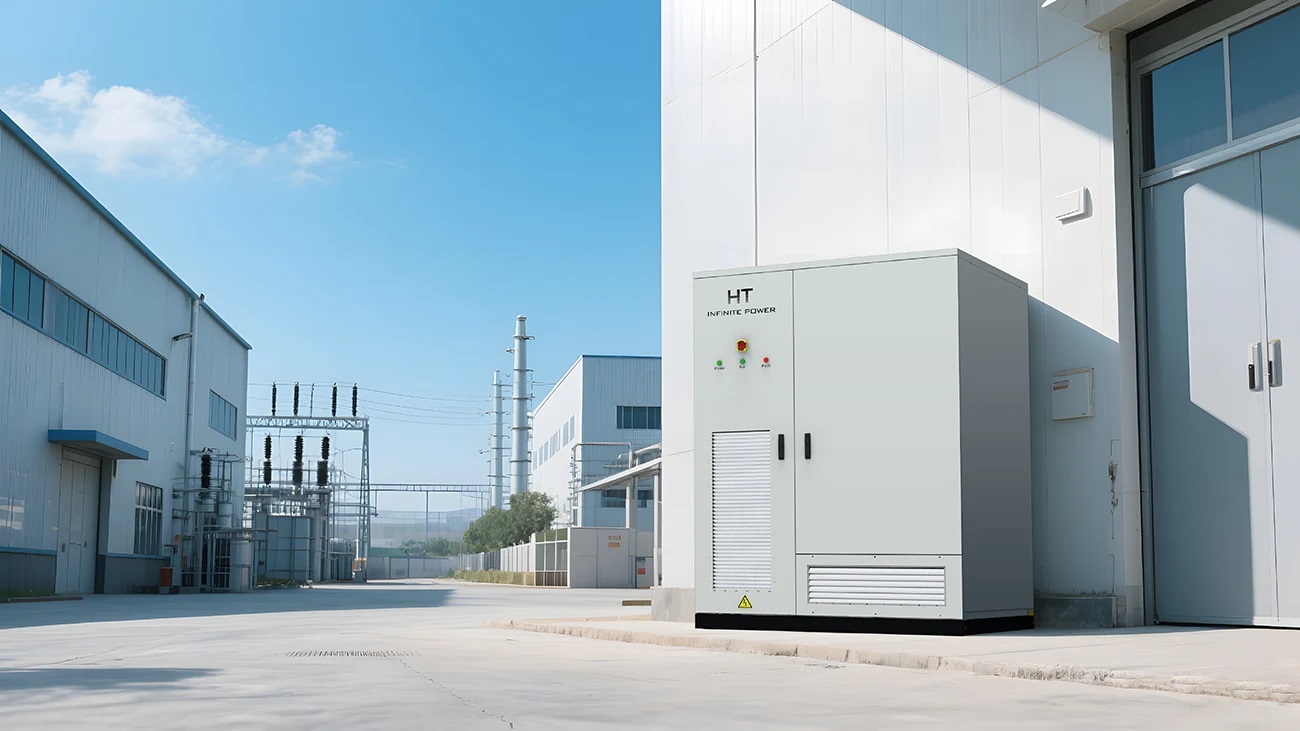
The looted batteries follow two lucrative distribution channels. A substantial portion is smuggled through the Beitbridge and Lebombo border posts into Zimbabwe, Mozambique, and Malawi, where erratic power grids create high commercial demand for industrial energy storage. Domestically, the stolen units are repackaged, relabeled, and funneled into an underground economy servicing residential solar systems and small commercial enterprises looking for cheap inverter backups at a fraction of legitimate wholesale prices. Forensic investigators tracking serial numbers frequently discover commercial telecom batteries installed in affluent suburban garages and off-grid farming plots.
The operational damage extends far beyond corporate bottom lines, severing essential communications across vulnerable communities. When a base station's backup battery is ripped out, local network coverage collapses the moment municipal electricity trips, cutting off 112 emergency calls, disabling rural clinic health databases, and paralyzing digital grant disbursements. In several repeat-target areas across the Eastern Cape and the Gauteng peri-urban belt, telecommunications providers have taken the drastic step of permanently decommissioning sites, leaving entire communities in complete communications blackouts because replacing stolen hardware multiple times in a single quarter is financially unviable.
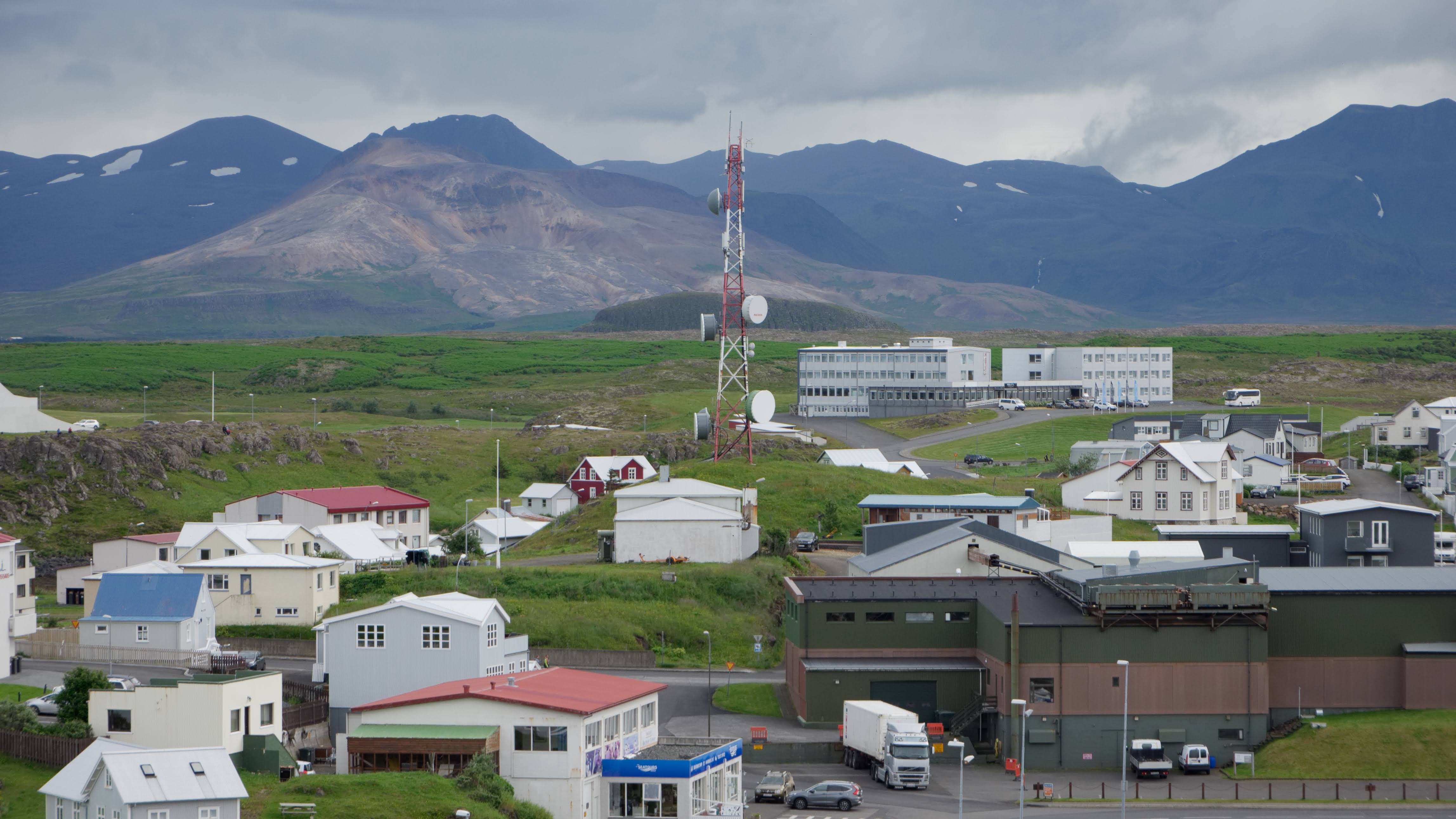
Under the Criminal Matters Amendment Act 18 of 2015, telecommunications base stations, electrical sub-stations, and public transport infrastructure are classified as essential infrastructure. The statute imposes stringent bail conditions and introduces mandatory minimum prison sentences ranging from 15 to 30 years for any person convicted of damaging, destroying, or tampering with protected networks. Base transceiver stations rely on banks of deep-cycle lithium-ion or lead-acid batteries to maintain cellular radio transmitters, microwave backhaul links, and emergency routing protocols during electrical grid failures, ensuring uninterrupted mobile data and voice connectivity.
For everyday cellphone subscribers, the multi-billion rand security war means slower network expansions, deferred 5G capital investment in outlying areas, and higher data tariffs as network operators pass infrastructure protection costs onto consumers. During municipal power cuts or localized cable faults, battery theft leaves your neighborhood without voice signal, preventing you from contacting medical emergency services, home security providers, or family members. If you purchase secondhand solar batteries or inverters without manufacturer serial paperwork or legitimate tax invoices, you risk criminal prosecution and asset seizure under essential infrastructure legislation.
* Will the South African Police Service establish specialized provincial anti-gang units to track and intercept the syndicates operating cross-border logistics routes between South African base stations and regional export points?
* Can telecommunications operators enforce mandatory cloud-based firmware kill switches and GPS transponders in all future lithium-ion deployments to make stolen batteries immediately non-functional outside authorized base stations?
* Will the National Prosecuting Authority secure heavier convictions under the Criminal Matters Amendment Act against wealthy end-users and unscrupulous solar contractors purchasing stolen industrial batteries?