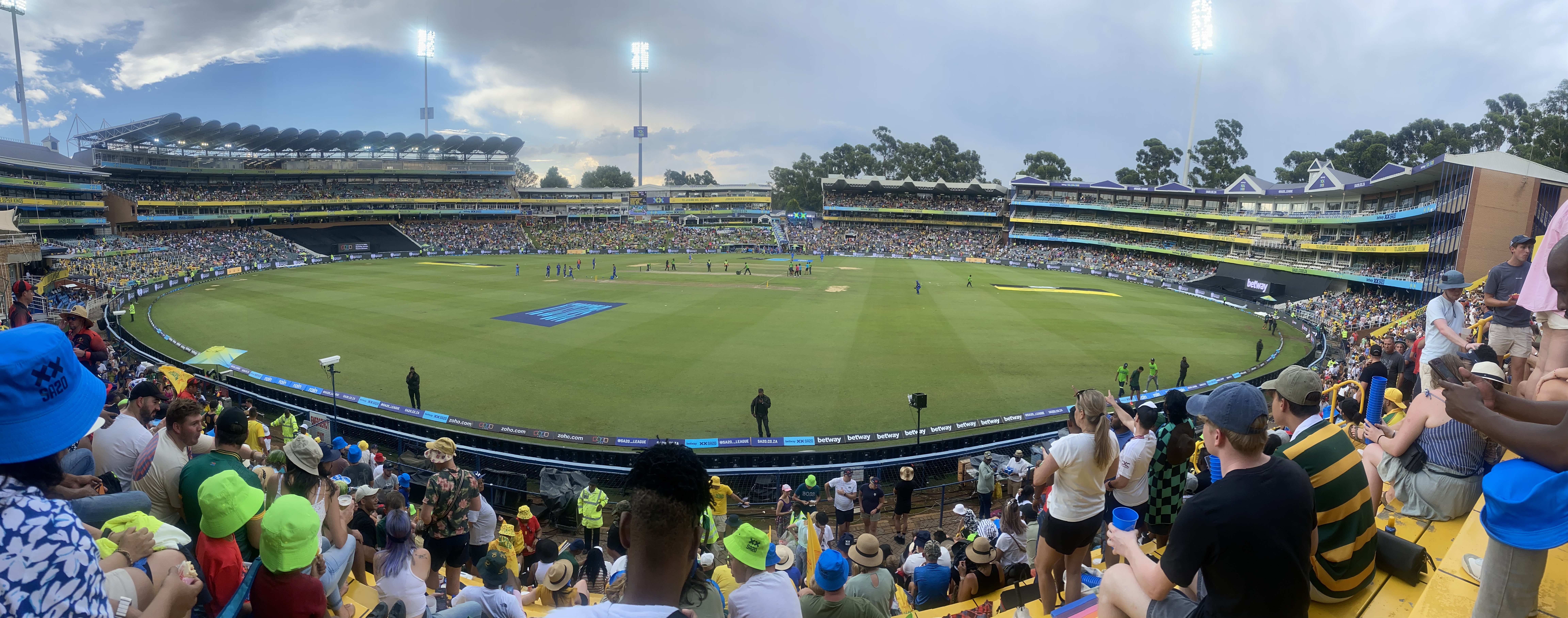
Cricket South Africa confronts an acute structural deficit under the International Cricket Council 2024 to 2027 revenue cycle, which grants the Board of Control for Cricket in India approximately $231m annually while capping South Africa at $26.2m. The commercial disparity has turned non-India home Test series into loss-making liabilities for domestic venues, pushing national administrators to truncate international tours into minimum two-match series while actively weighing proposals to cull professional provincial teams to prevent institutional insolvency.
The financial reality across domestic venues outside marquee holiday fixtures is severe. Hosting a five-day international match costs millions of rands in security, stadium operations, hospitality staging, and match fees, yet grounds frequently record occupancy rates below 20% when hosting visiting nations outside the commercial big three of India, England, and Australia. Tours by teams such as Sri Lanka and Pakistan routinely fail to generate operating profits, leaving the national federation dependent on broadcast royalties from India visits to cross-subsidise the broader sport.
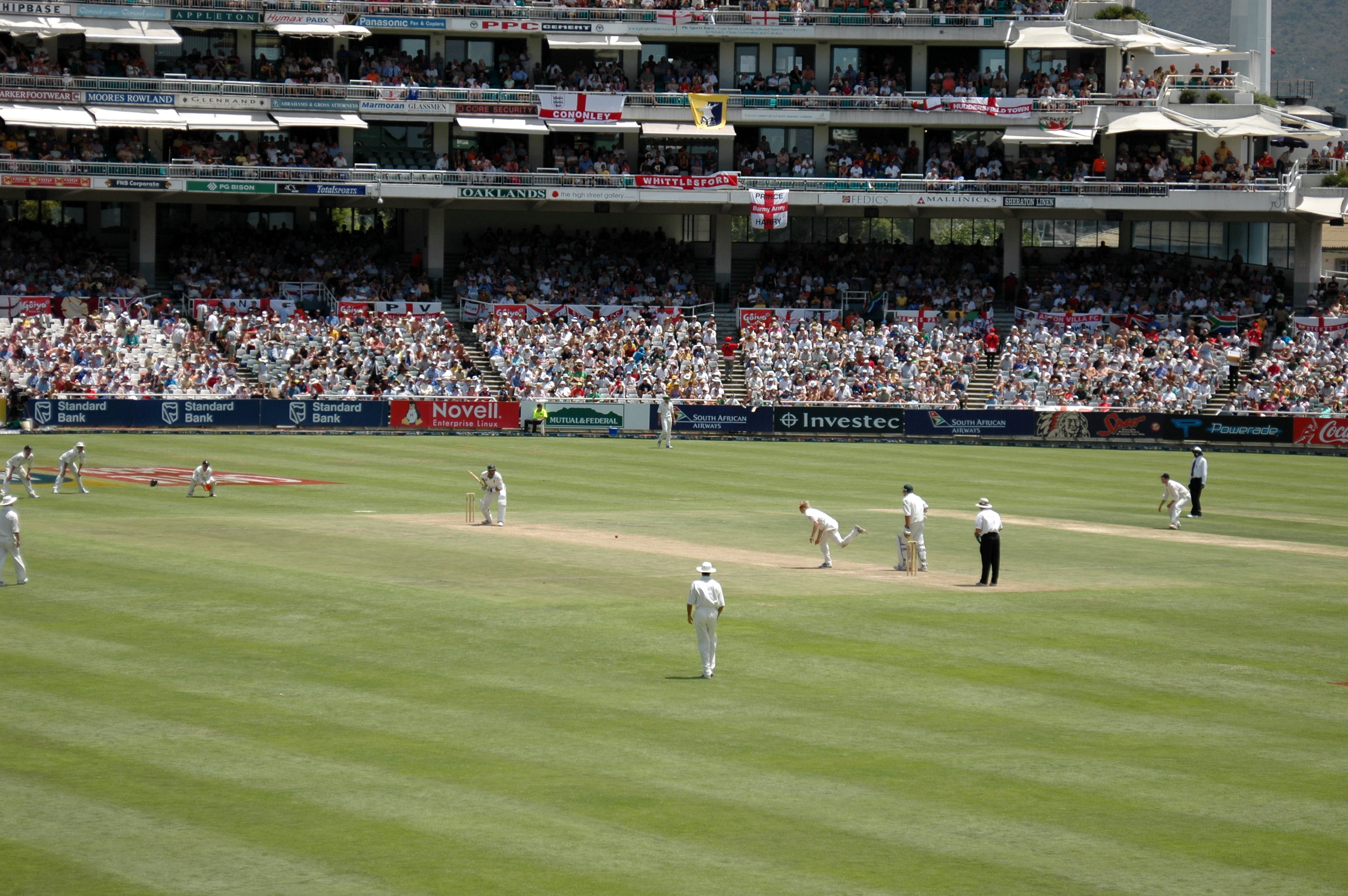
To stabilize cash reserves, Cricket South Africa established the SA20 franchise competition, wherein all six franchises were sold to private Indian Premier League investors for long-term investments reaching $28m each. While the league generated a vital R54m dividend for the governing body, it introduced severe calendar friction. Because international broadcast commitments demand uninterrupted access to marquee Proteas players during the January window, national selectors were forced to dispatch developmental squads for overseas Test series, exposing the growing subordinate status of traditional five-day cricket to private domestic franchise leagues.
The economic squeeze is now dismantling the domestic pipeline. Keeping 15 professional provincial teams operational across Division 1 and Division 2 costs Cricket South Africa roughly R222m each season. Chief executive Pholetsi Moseki and provincial leadership have explored restructuring the domestic game into an eight-team or 10-team professional top tier, a move projected to save up to R37m annually but certain to eliminate dozens of professional playing contracts. The South African Cricketers' Association has pushed for hybrid contract systems, introducing Players of National Interest designations to retain emerging talent tempted by global franchise circuits.
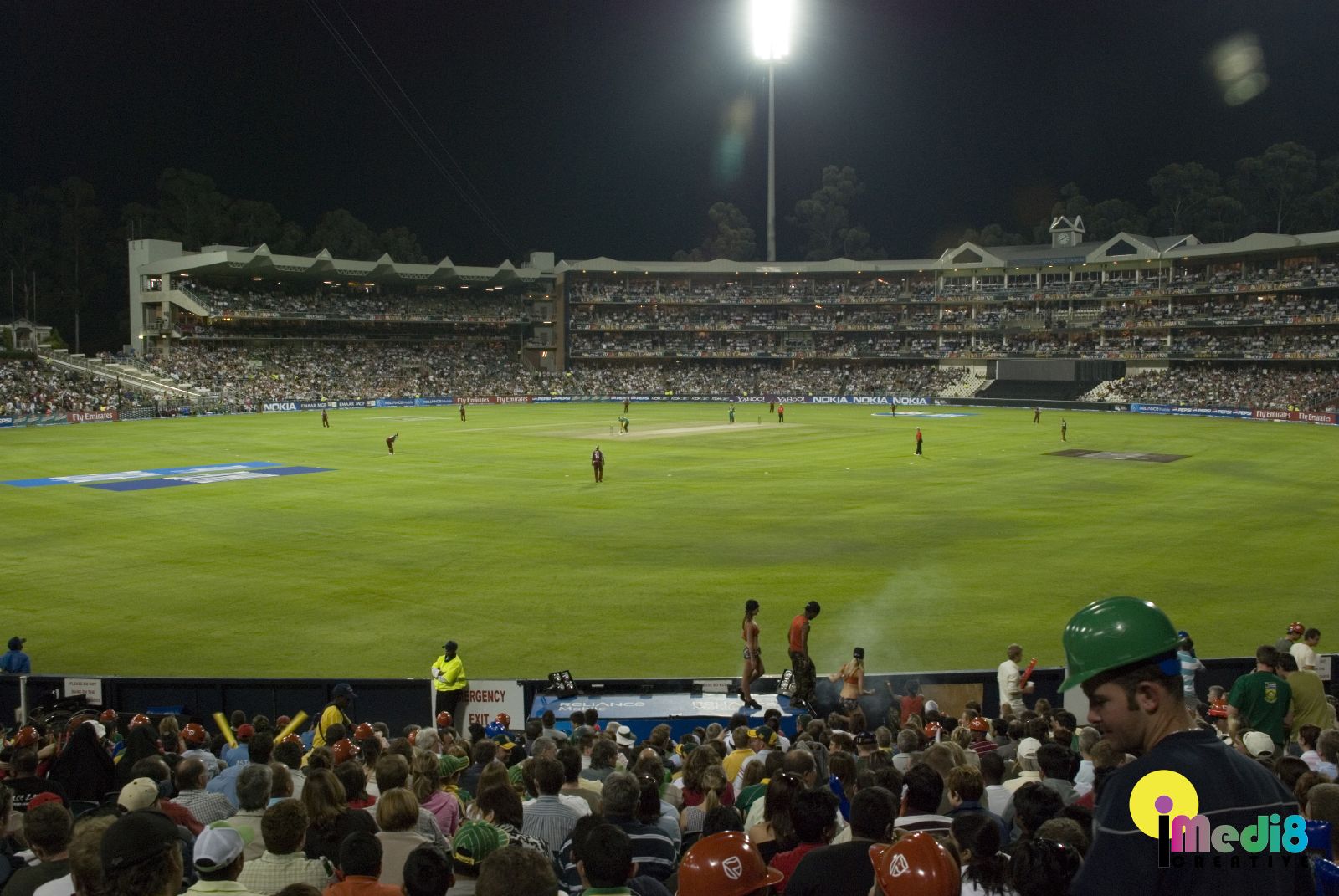
The long-term danger extends beyond tournament balance sheets to the viability of five-day cricket in the Global South. While England and Australia contest five-match blockbuster series supported by lucrative domestic television pacts, South Africa has been relegated to the statutory minimum of two-match fixtures under the Future Tours Programme. Without a structural correction in global revenue sharing, domestic administrators warn that the cost of maintaining high-performance red-ball facilities will permanently eclipse the commercial returns of hosting traditional international cricket.
The International Cricket Council revenue distribution model for the 2024 to 2027 cycle allocates an estimated $600m annual net surplus among 12 Full Members and Associate nations based heavily on commercial contribution. India's board receives 38.5% of the total pool, reflecting its dominance of global broadcast viewership, while England receives 6.89%, Australia receives 6.25%, and Cricket South Africa receives 4.37%. Under the Future Tours Programme regulations, Full Members are obligated to stage a minimum of two matches per bilateral Test series, permitting financially constrained boards to shorten traditional three-match or four-match tours to minimise hosting overheads.
For South African cricket supporters, the commercial crunch means fewer home Test match days each summer and fewer opportunities to watch world-class red-ball cricket at iconic grounds like Newlands, SuperSport Park, and the Wanderers. As Cricket South Africa attempts to maximise gate revenue from limited marquee fixtures, tickets for popular holiday Tests are increasingly bundled into premium hospitality and travel packages, making general admission attendance more expensive for everyday fans. For grassroots clubs and school cricket programmes, reduced provincial union grants mean less funding for pitch maintenance, equipment subsidies, and developmental coaching pipelines.
* Will Cricket South Africa push through the controversial consolidation of the domestic first-class structure from 15 provincial unions to an eight-team elite division before the 2027 Cricket World Cup?
* Can the SA20 franchise dividends generate sufficient recurring revenue to subsidies loss making bilateral Test tours without permanently compromising the national team's international red ball competitiveness?
* Will the International Cricket Council introduce a dedicated structural Test cricket fund to equalize match fees and ensure that nations outside India, England, and Australia can afford to host three match series?