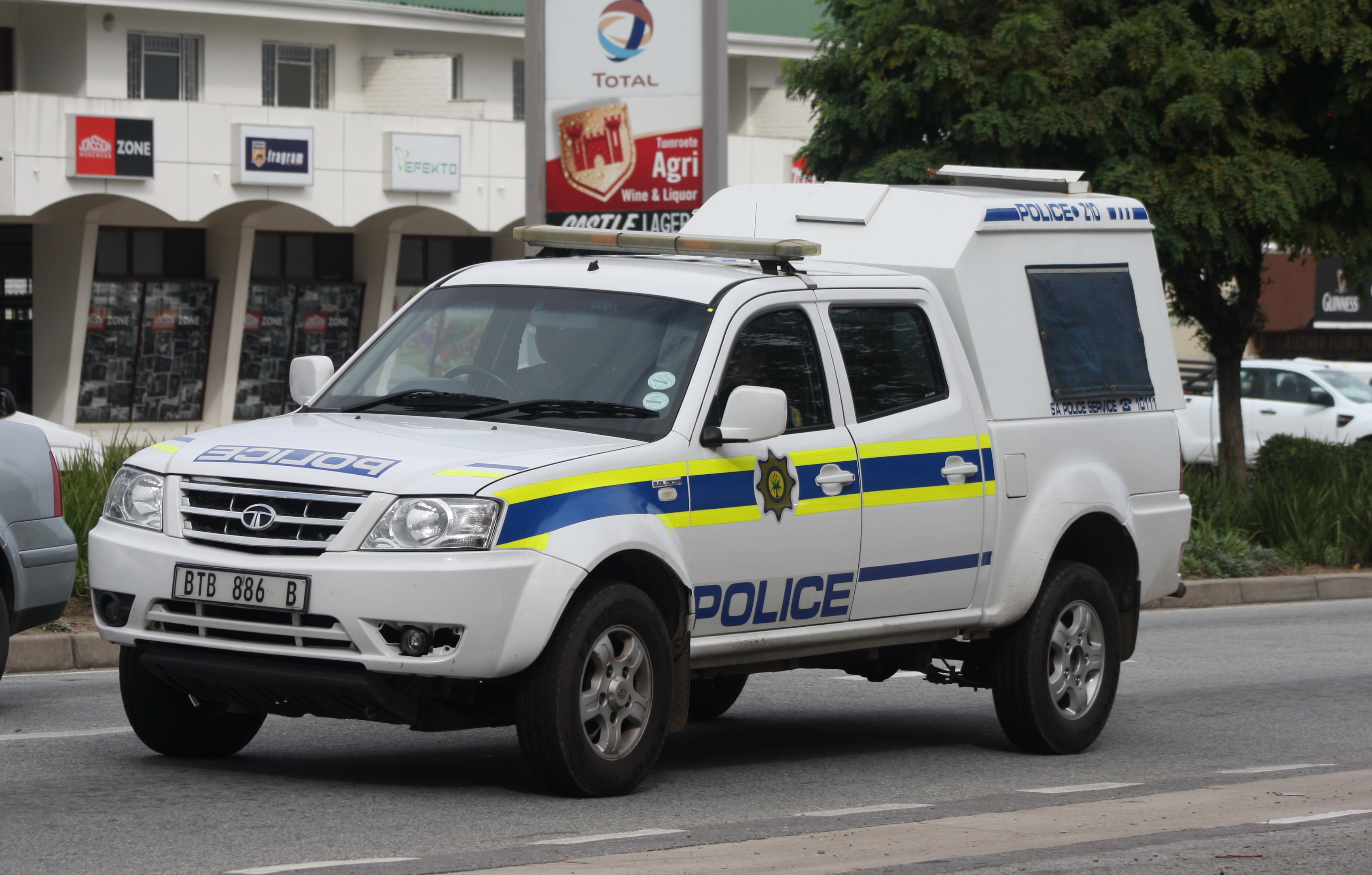
South Africa now maintains the largest private security industry on earth, with private security guards outnumbering operational police officers by more than four to one.
According to registration data from the Private Security Industry Regulatory Authority, over 586,000 active security officers patrol suburban boomed gates, shopping malls, and corporate office parks. In stark contrast, the South African Police Service fields roughly 140,000 active uniformed personnel to protect a national population exceeding 62 million citizens.
This structural imbalance has quietly altered the constitutional promise of equal protection under the law. Where household income allows, residents and business associations fund their own miniature police forces, contracting armed response bakkies, license plate recognition cameras, and dedicated tactical patrols. For communities unable to pay private monthly retainer fees, public safety has effectively collapsed into a lottery of overworked station detectives and unanswered emergency calls.
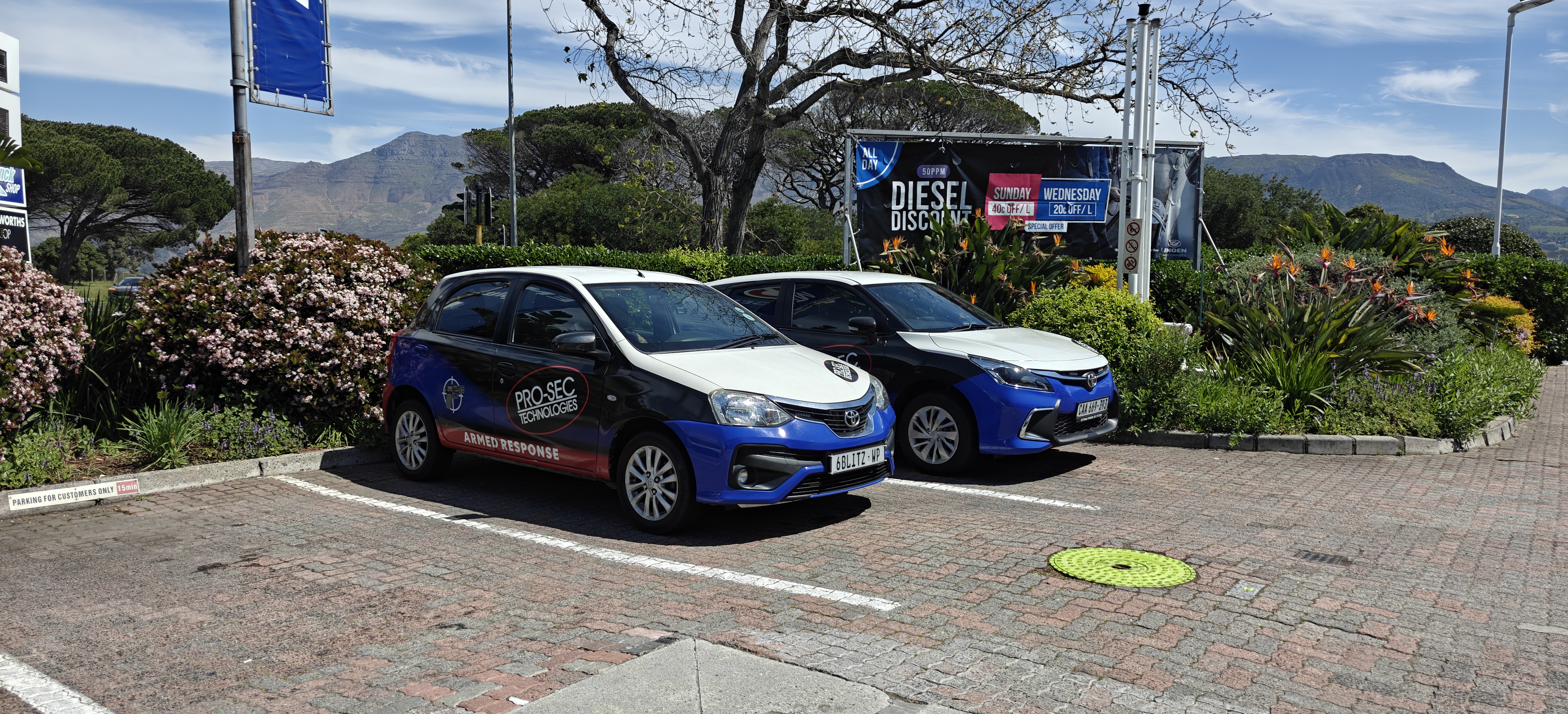
The operational divide is most visible in vehicle availability and response times. In suburban precincts, private armed response units routinely arrive at an alarm activation within five to eight minutes, backed by aerial drone monitoring and private control rooms. Just five kilometres away in neighbouring townships, police stations such as Nyanga, Inanda, or Moroka frequently face nighttime shifts where half their official patrol fleet sits immobilized in state repair garages awaiting basic spare parts.
This vacuum forces low-income residents to navigate violent crime alone. In informal settlements and transit corridors where street lighting is broken and private security companies refuse to patrol without armored escort, vigilantism has filled the void. Community members organize informal night patrols or turn to street justice because reporting assault or extortion to a distant police desk rarely produces a visible patrol car, let alone a conviction.
The commercialization of basic security also introduces a silent economic tax on small business survival. Informal township traders, spaza shop owners, and delivery couriers face relentless armed robbery and extortion syndicates demanding protection fees. While corporate retailers deduct commercial security costs as standard corporate expenses, informal micro-enterprises operate without institutional shields, wiping out fragile profit margins and suppressing township job creation.

Bridging this divide requires confronting the reality that South Africa cannot privatize its way out of violent crime. Private guards are legally restricted to property protection and immediate self-defence. They possess no statutory mandate to investigate syndicated extortion, track illegal firearms, or build courtroom prosecution dockets. Until public policing budgets, fleet logistics, and detective resources are directed toward under-resourced precincts, public safety will remain a luxury purchased by the wealthy rather than a basic civil right guaranteed by the state.
Public safety is legally defined as the duty of the state to maintain civil peace, uphold the rule of law, and protect citizens from violence through constitutional police services and judicial enforcement. The private security industry operates on a commercial contract model, protecting specific paying clients and private assets rather than serving general communal deterrence or criminal justice administration.
The growing two-tier security market means your physical safety in South Africa correlates directly with your monthly household expenditure. While private security subscriptions buy rapid response, perimeter surveillance, and armed presence for gated enclaves, the absence of functional public policing in shared transit corridors, commuter hubs, and public streets leaves every citizen exposed whenever they leave private property.
* Can legislative amendments establish structured operational partnerships to allow private security tactical units to support state police patrols in under-resourced communities without compromising civil liberties?
* Why does the national police allocation formula continue directing proportionally more personnel and patrol vehicles to low-crime affluent suburbs than to high-contact violent crime epicentres?
* How effectively can the Private Security Industry Regulatory Authority police non-compliant security firms operating with unregistered firearms and untrained personnel in vulnerable township areas?