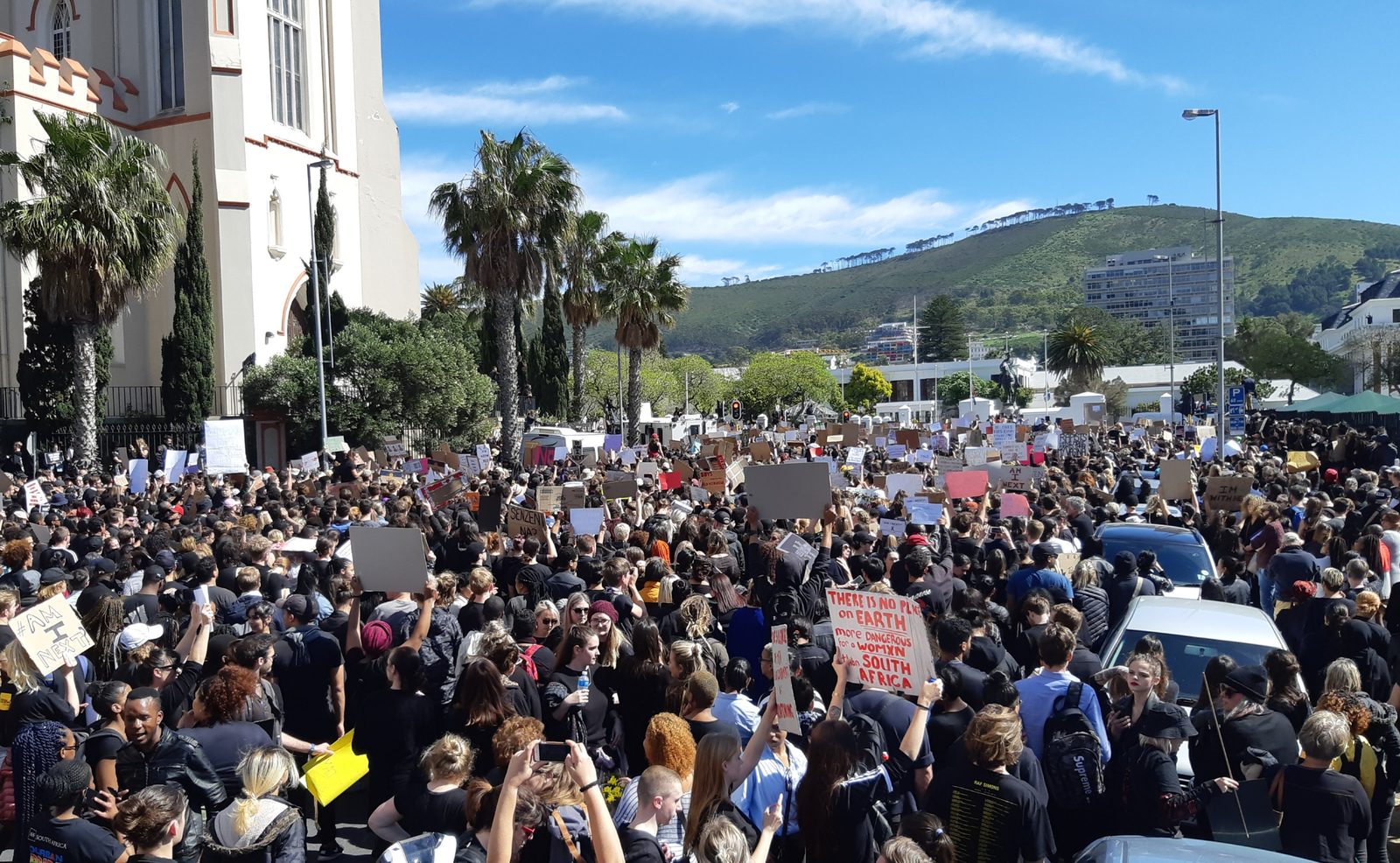
President Cyril Ramaphosa will address the nation in the coming days to announce emergency interventions following the discovery of nine murdered women across Ekurhuleni over the past two months.
The announcement follows urgent security cluster briefings and a chorus of national condemnation during Heritage Day commemorations, where both the President and Zulu King Misuzulu kaZwelithini labeled the ongoing femicide wave a national shame.
Between July and mid-September, nine bodies were recovered from open velds, industrial precincts, and abandoned land across Kempton Park, Rhodesfield, Olifantsfontein, Clayville, KwaThema, and Dawn Park. Most victims were discovered partially clothed, bearing evidence of severe physical trauma and strangulation.
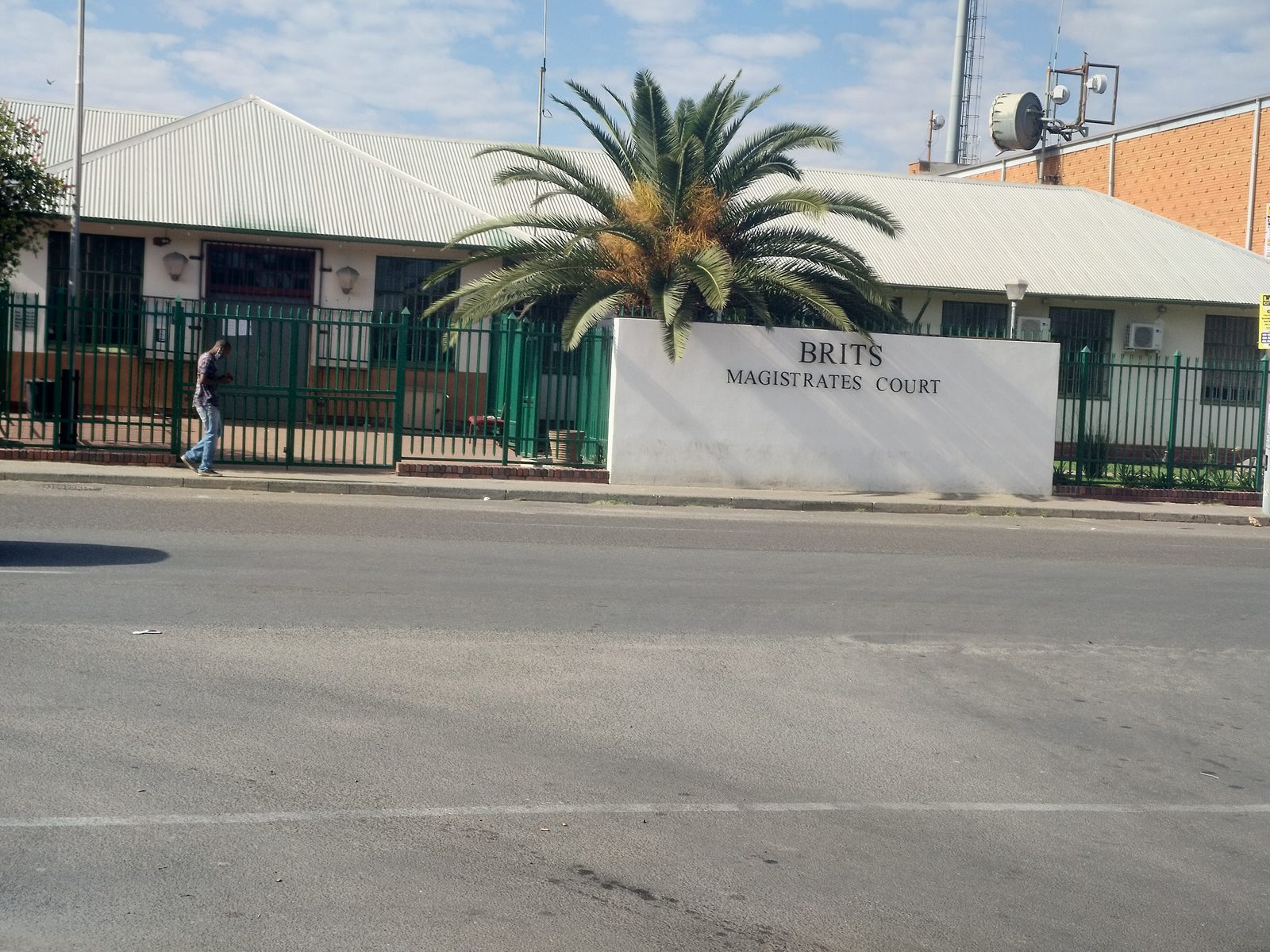
Gauteng Provincial Police Commissioner Lieutenant-General Tommy Mthombeni deployed a specialized multidisciplinary task team to probe whether any of the unresolved cases are linked. While initial public fears pointed to a single serial predator, police caution that the crime scenes involve distinct forensic profiles. On 21 September, two women appeared in the Boksburg Magistrate’s Court charged with murder and defeating the ends of justice in connection with the ninth victim, Jabulile Ntimba, in what detectives describe as an interpersonal domestic dispute. The other eight murder dockets remain open and unresolved.
Speaking at the national Heritage Day event in Oudtshoorn, Ramaphosa acknowledged that the escalating violence against women directly contradicts the constitutional values of the Republic. Hours earlier in Umlazi, King Misuzulu kaZwelithini delivered a searing rebuke at Umkhosi weLembe, calling gender-based violence an intolerable curse that damages the nation and calling on men to quit drinking if alcohol causes them to lose control.
The executive address comes under intense pressure from civil society groups, including People Opposing Women Abuse and the Rise Up Against GBV movement, demanding the full operational funding of the National Council on Gender-Based Violence and Femicide Act 9 of 2024. Beyond policy declarations, police investigations face crippling bottlenecks: Parliament’s Portfolio Committee on Police revealed that the SAPS Forensic Science Laboratory sits with a backlog of over 228,000 DNA exhibit entries exceeding the statutory 90-day processing deadline, stalling genetic matches from murder scenes across the East Rand.
Under the National Strategic Plan on Gender-Based Violence and Femicide, the state is legally committed to treating violence against women as a multi-sectoral institutional crisis. Supported by the Criminal Law Amendment Act 12 of 2021, the legal framework mandates stringent bail conditions for accused facing Schedule 6 murder charges and expands electronic monitoring under the Domestic Violence Amendment Act 14 of 2021 to prevent repeat violations of protection orders.
The persistent discovery of violent crime scenes in suburban and township transit routes creates severe daily safety hazards for working women relying on early morning and evening public transport. Until structural DNA laboratory backlogs and local police patrol shortages are resolved, communities bear the psychological and physical burden of unprotected commuter corridors and delayed justice for grieving families.
* Will President Cyril Ramaphosa announce dedicated emergency treasury allocations to clear the 228,000 DNA backlog currently paralyzing the police forensic laboratory?
* How quickly can Gauteng detectives complete forensic cross-matching to conclusively determine whether any of the eight unresolved Ekurhuleni dockets share a common perpetrator?
* What immediate physical security measures will the City of Ekurhuleni implement to clear overgrown open velds and secure poorly lit commuter pathways between residential townships and industrial hubs?