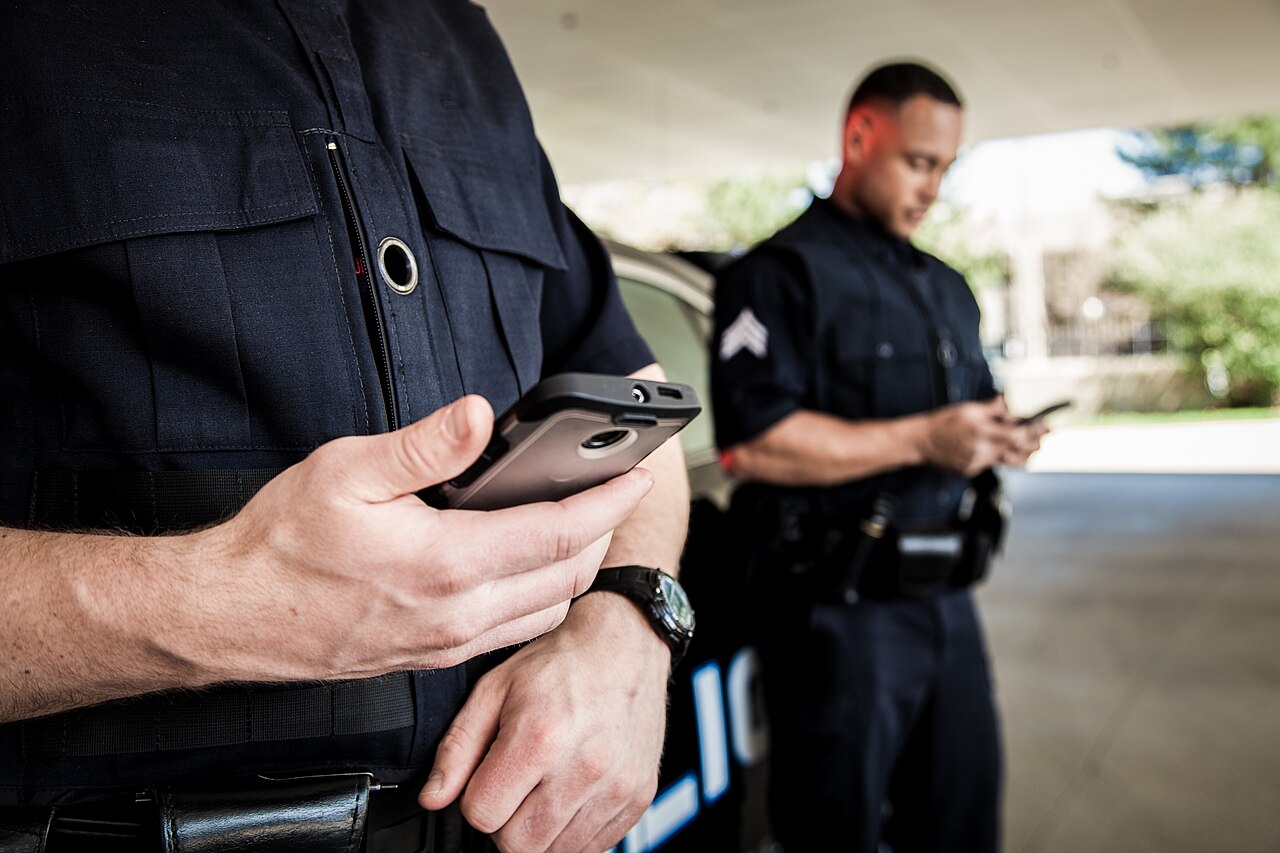
The State Information Technology Agency opened industry briefings on Monday morning for tender RFB 3286-2026, advancing a multi-billion rand procurement drive that will transform frontline policing into a national automated surveillance network.
Marketed to the public as an accountability measure to record police misconduct and curb roadside bribery, the procurement documentation reveals far more aggressive technical demands. The specifications mandate that all body-worn cameras and vehicle dashboard units integrate real-time facial recognition algorithms, automated number plate recognition engines, and continuous high-bandwidth video streaming back to centralized command centers. Frontline cameras will not merely log encounters. They will scan, identify, and cross-reference biometric data of ordinary pedestrians on public streets.
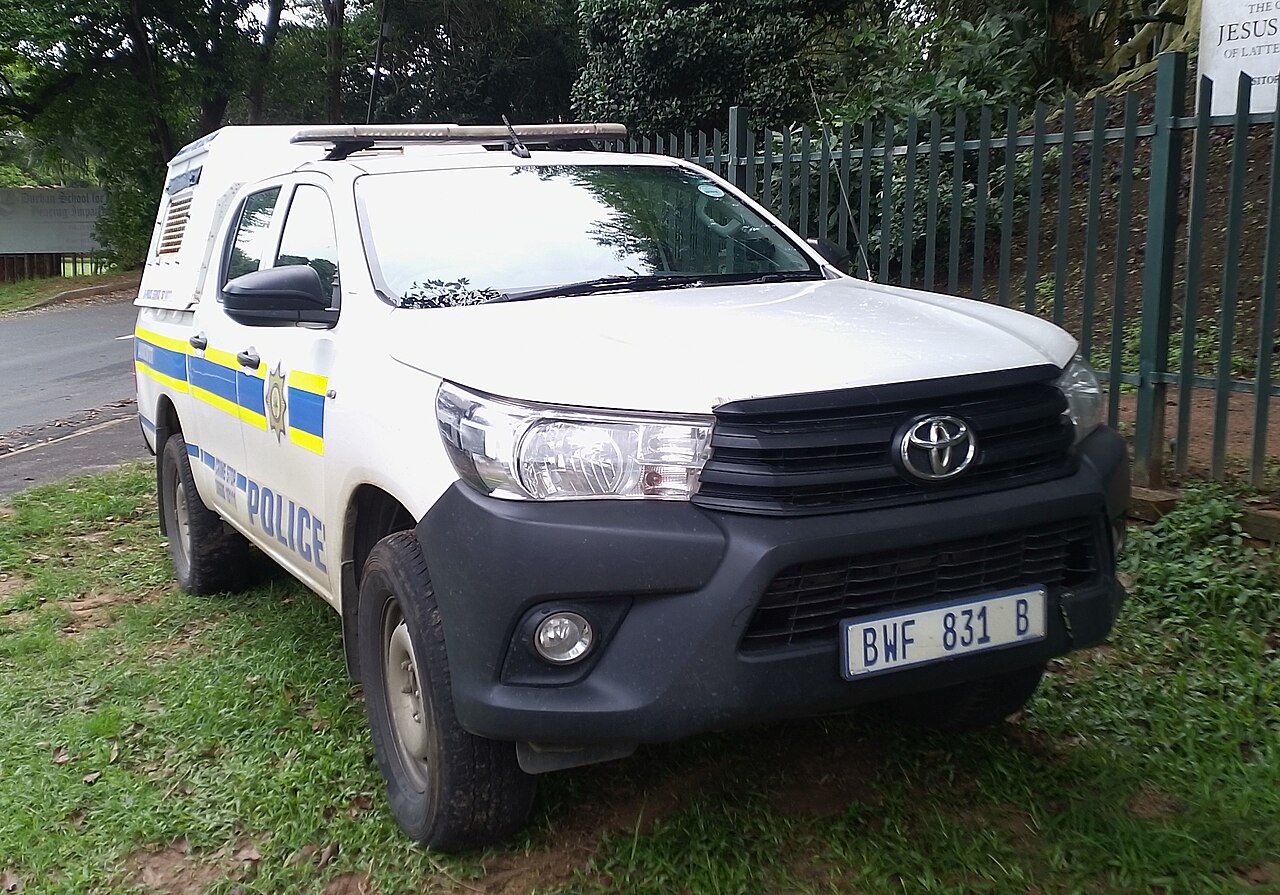
The expansion into automated facial biometric scanning arrives in a regulatory void. South Africa possesses no dedicated statutory framework regulating real-time facial recognition surveillance by law enforcement agencies. While the Protection of Personal Information Act governs corporate data processing, Section 38 contains broad exemptions for national security and the prosecution of offenders. Without judicial oversight, municipal search warrants, or clear data retention limits, police systems could perpetually catalog millions of unaccused citizens moving through public thoroughfares.
Bidding documentation confirms that prospective technology suppliers must guarantee cloud-compatible video repositories capable of processing tens of thousands of simultaneous feeds from urban patrol stations. SAPS National Commissioner General Fannie Masemola has repeatedly emphasized the technological modernization of the service to counteract violent crime syndicates and cash-in-transit gangs. The tender specifications demonstrate that the technological architecture extends beyond tactical confrontations into persistent biometric tracking.

Automated facial recognition is a biometric software capability that measures distinct nodal points on a human face, including the distance between the eyes, nose bridge width, and jawline contours, to generate a unique mathematical template. Real-time matching compares live video feeds against designated police mugshot repositories, identity databases, and wanted persons registers. Unlike post-incident evidentiary video review, live biometric matching operates continuously in the field, converting standard police optical lenses into autonomous tracking sensors.
If you walk past an active police patrol, transit hub checkpoint, or road safety roadblock, your facial geometry and vehicle registration will be captured and processed automatically by onboard vehicle and chest-mounted sensors. While supporters argue biometric scanning accelerates the apprehension of violent fugitives, the absence of independent algorithmic auditing means misidentifications, false matches, and unconstrained digital dossier creation pose direct risks to constitutional privacy.
• Which specific national identity and criminal records databases will be integrated into the live facial recognition algorithms deployed on police cameras?
• What written data retention periods and deletion schedules govern the storage of biometric footage featuring innocent bystanders who are not accused of any crime?
• Will the Information Regulator intervene to mandate a formal privacy impact assessment before the State Information Technology Agency adjudicates the final tender bids?
• How will the South African Police Service prevent private security consortia and foreign technology vendors from commercializing captured public surveillance footage?
• When will Parliament Portfolio Committee on Police summon SAPS management to establish statutory boundaries for biometric surveillance before contracts are awarded on 29 September?