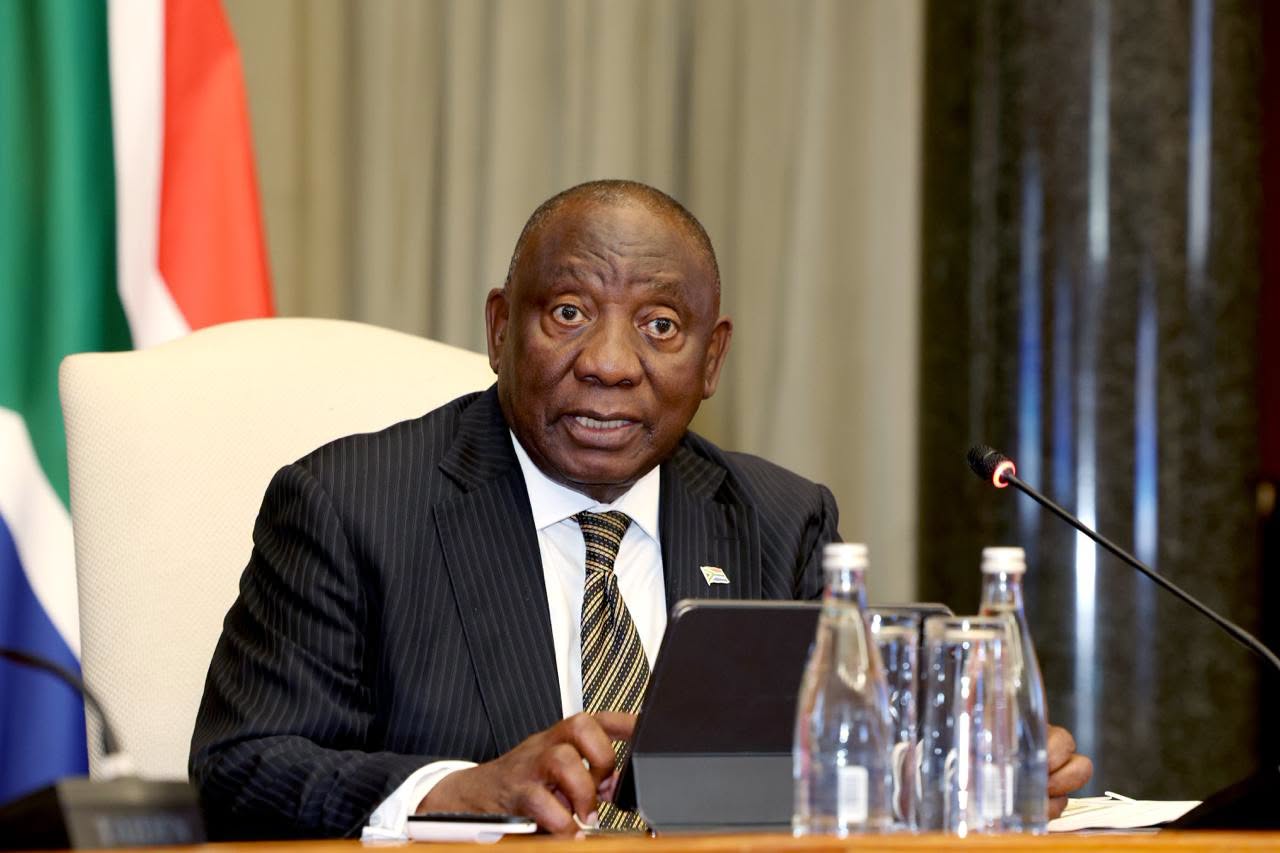
The session focuses on laying down clear procedural guidelines regarding witness testimony, legal representation boundaries, and administrative processes required to maintain constitutional integrity throughout the inquiry.
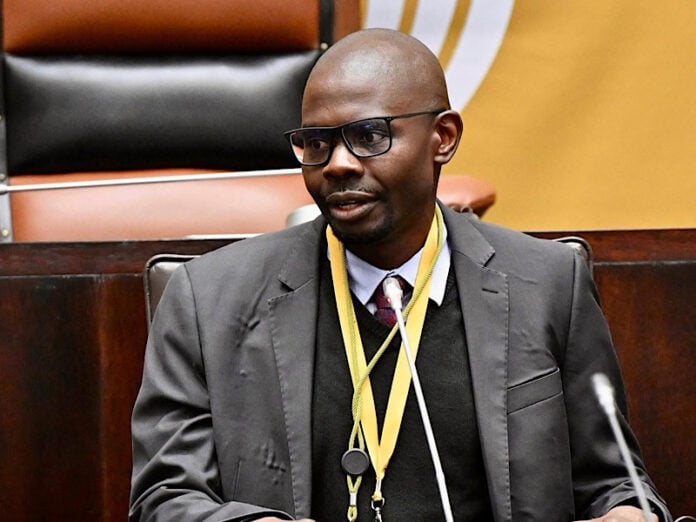
Section 57 Frameworks & Administrative Fairness
Parliamentary committee inquiries operate under specific constitutional mechanisms:
National Assembly Rules (Section 57): The constitutional authority empowering Parliament to determine its internal procedures, provided processes remain open, fair, and transparent.
PAJA Alignment: Ensuring committee proceedings align with the Promotion of Administrative Justice Act to uphold procedural fairness for all summoned parties.
Judicial Review Insulation: Structuring inquiry guidelines to prevent legal loopholes that could trigger stays or court interdicts.
KEY DEVELOPMENTS IN THE ANNOUNCEMENT
Establishing Legal Guidelines: The committee is defining clear parameters for witness cross-examination and legal representation rights.
Procedural Standardization: Rules surrounding document disclosure, evidence handling, and hearing schedules are being finalized.
Preventing Legal Stalls: Proactively addressing preliminary objections to minimize risk of judicial reviews.
Transition to Formal Hearings: Resolving operational details paves the way for public witness testimony in upcoming sessions.
For Constitutional Accountability: Demonstrates how legislative bodies build formal frameworks to enforce executive and judicial accountability.
For Public Transparency: Ensures that parliamentary inquiries operate under clear, standardized rules open to public scrutiny.
Will these agreed-upon legal frameworks successfully insulate the committee from procedural court challenges?
How effectively can the committee balance political consensus with legal due process?
Have a perspective on this story? Leave your comment below and join the debate on News Definition.