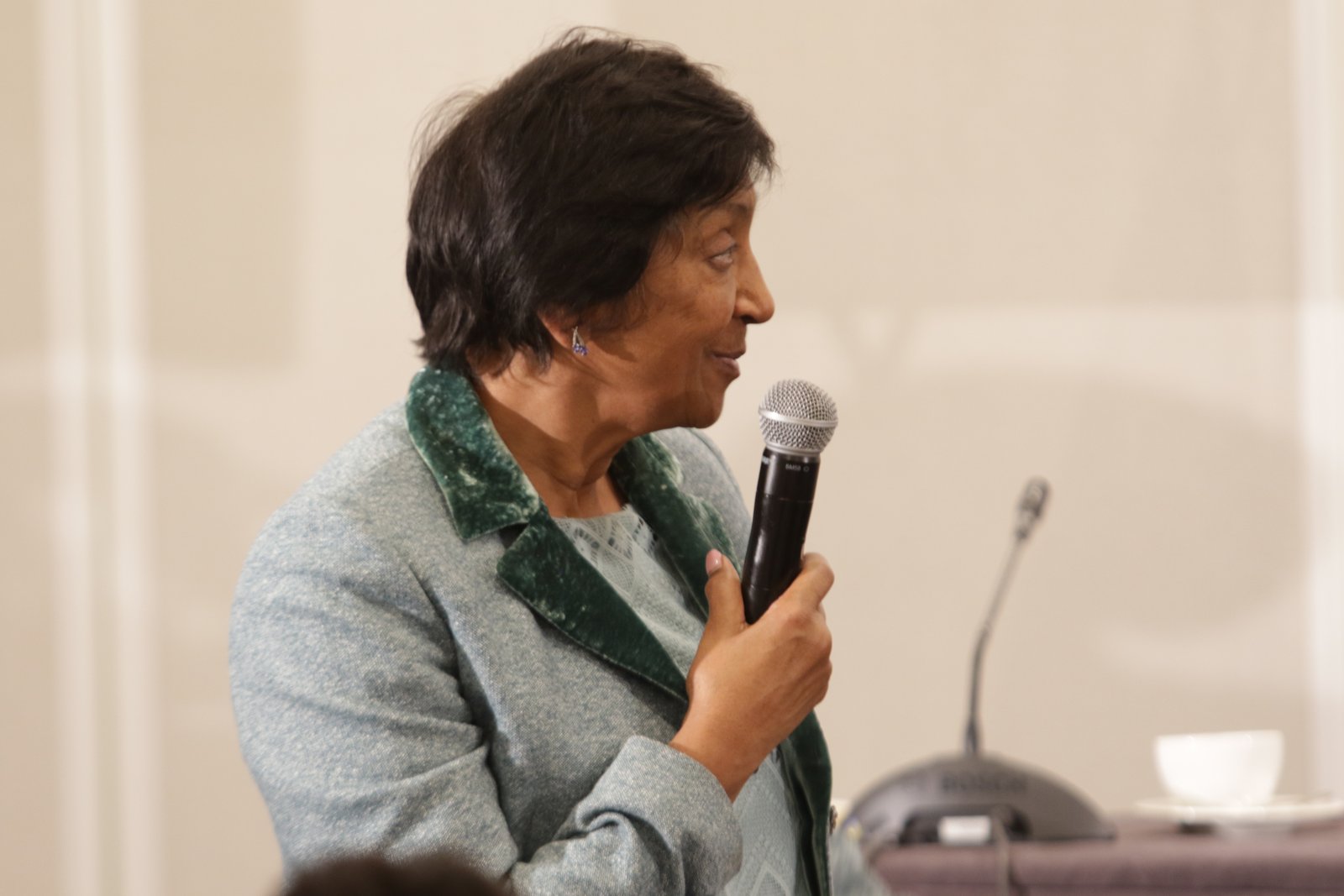
The Norwegian Nobel Committee in Oslo announced the 2026 Nobel Peace Prize for South African jurist Navanethem Navi Pillay on Friday. The decision honors her lifelong battle against impunity. The committee recognized six decades of judicial service that transformed international law from apartheid courtrooms in Natal to war crimes tribunals across the globe.
Pillay becomes the fifth South African to receive the Nobel Peace Prize alongside Albert Luthuli, Desmond Tutu, FW de Klerk, and Nelson Mandela. She stands as the first South African woman jurist to claim the golden medal in Oslo. The award hands Pretoria a massive diplomatic validation at a time when its independent foreign policy faces intense international scrutiny.
Her legal career began in 1967 when she opened her own law practice in Durban because established white firms refused to hire an Indian woman attorney. Working from a small city office, Pillay defended anti apartheid activists, detained trade union leaders, and political prisoners held on Robben Island. She exposed police torture under Section 6 of the Terrorism Act and won historic legal precedent granting political prisoners direct access to legal counsel.
In 1995, President Nelson Mandela appointed her as the first woman of colour on the High Court of South Africa. That domestic judicial tenure was cut short when the United Nations General Assembly elected her to the International Criminal Tribunal for Rwanda in Arusha. As a leading tribunal judge and later president, Pillay helped author the landmark Jean Paul Akayesu judgment in 1998. That ruling made global legal history by defining systematic sexual violence and mass rape as constitutive acts of genocide under the 1948 Genocide Convention.
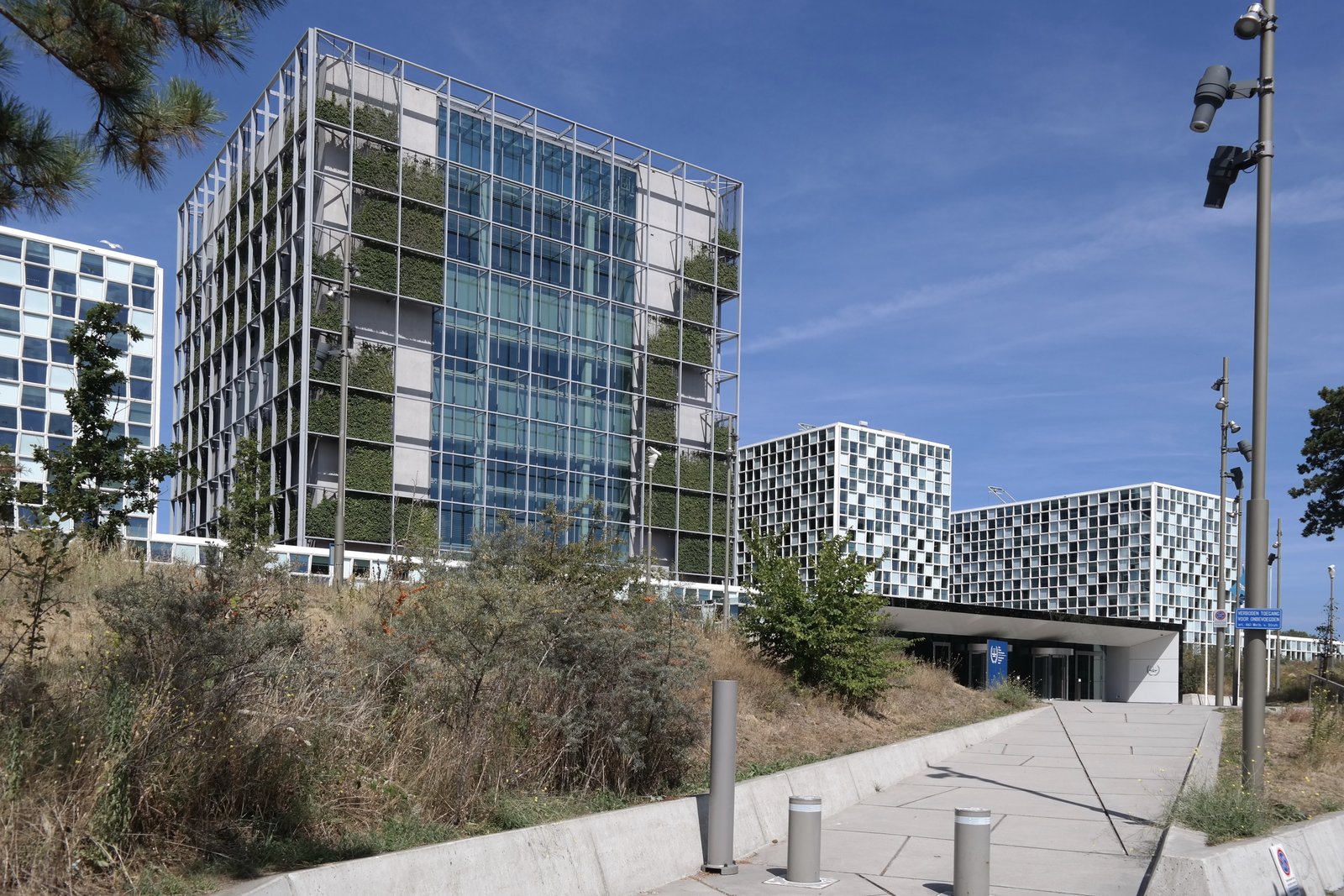
Pillay later served as an appellate judge at the International Criminal Court in The Hague before taking office as the United Nations High Commissioner for Human Rights between 2008 and 2014. In Geneva, she refused diplomatic compromises. Her office investigated Syrian government atrocities, condemned western drone strikes, and established the formal United Nations mandate on violence against sexual minorities. Most recently, she chaired the Independent International Commission of Inquiry probing state violations across the occupied Palestinian territories.
The Nobel award arrives while South Africa navigates fierce diplomatic friction with western capitals over its application at the International Court of Justice. Lawmakers in Washington and European foreign ministries have questioned South African legal standing on international accountability. The decision by the Norwegian committee reframes that debate. The honour places South African legal scholarship and moral authority at the centre of global justice.
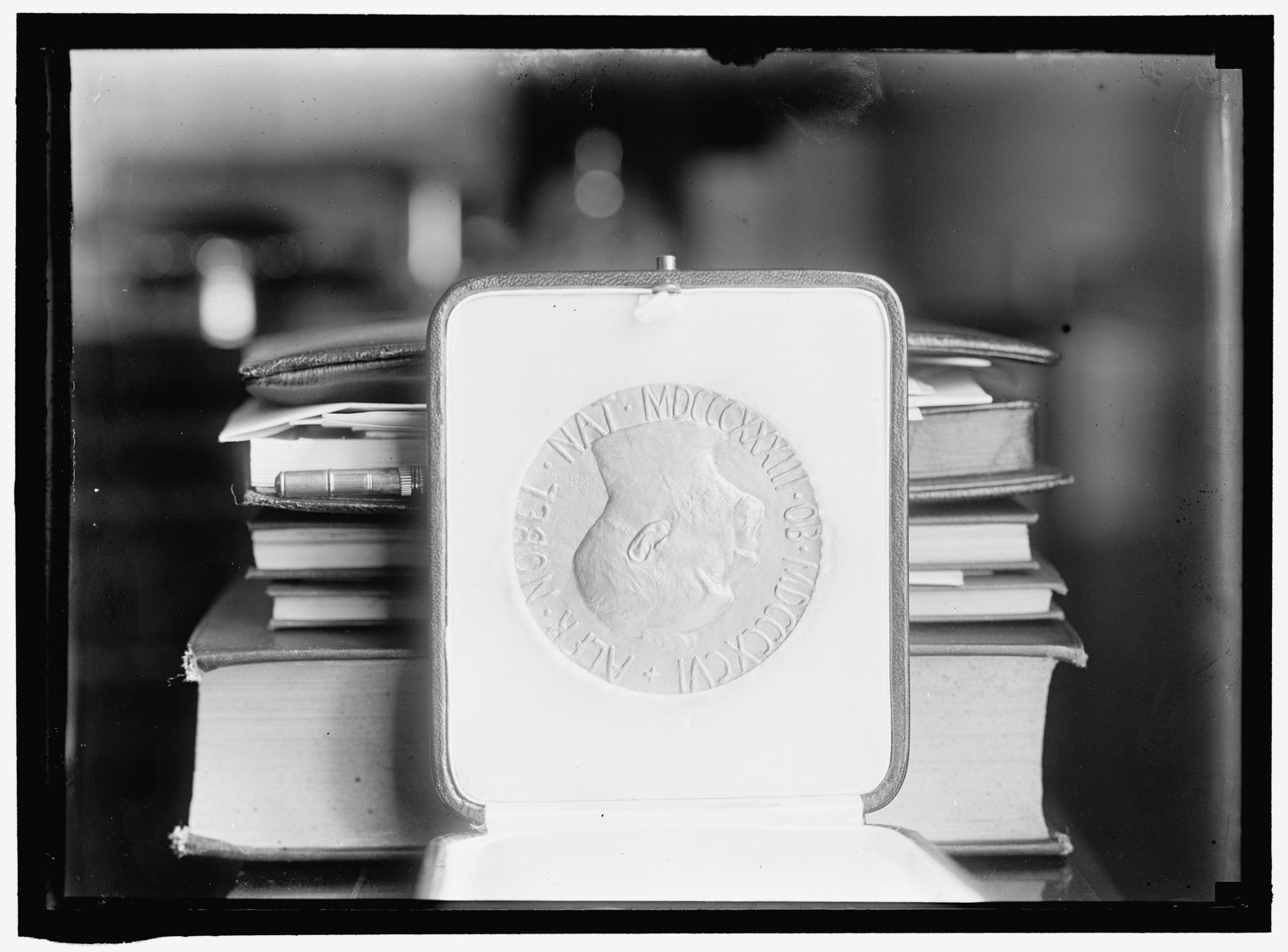
The Nobel Peace Prize represents the highest global civil award for conflict resolution, human rights defense, and international fraternity. Administered by a five member committee appointed by the Norwegian Parliament, the prize includes an eighteen carat gold medal, a personal diploma, and a financial award of twelve million Swedish kronor. Pillay shares the rare distinction of laureates whose work was forged in courtroom jurisprudence rather than elected executive office.
Her judicial doctrine established universal jurisdiction over gross human rights violations. Under her rulings at Arusha and The Hague, military commanders and political leaders can no longer plead sovereign immunity or executive authority when ordered troops execute civilians or use rape as a weapon of war. That legal framework binds national courts across Africa and Europe to international statutory treaties.
For ordinary South Africans, this global recognition proves that our constitutional rights culture was not an accident of 1994 negotiations. It was built by courageous grassroots lawyers who stood between state brutality and defenseless citizens in Durban and Johannesburg detention cells.
The award provides critical diplomatic shield for South Africa on the international stage. As foreign governments threaten trade penalties over geopolitical stances, Pillay reminds the world that South Africa commands generational authority on the universal application of international law.
* How will western capitals criticizing South African international litigation reconcile their rhetoric with the Nobel Committee honoring our foremost human rights jurist?
* Will the International Criminal Court enforce the legal precedents established by Pillay as geopolitical superpowers continue to ignore international arrest warrants?
* What concrete legal protections will South African universities and judicial bodies create to train the next generation of public interest human rights advocates?