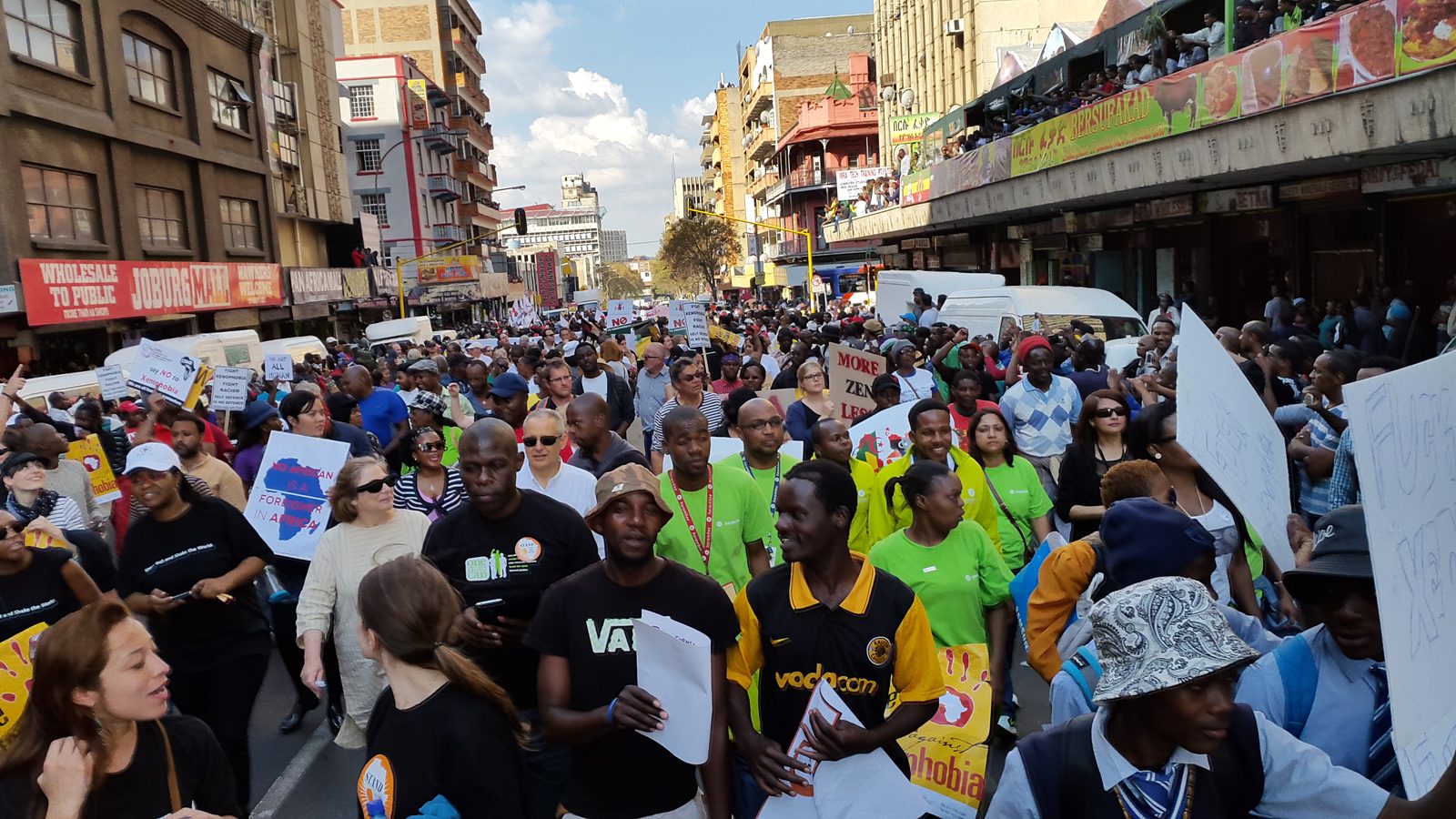
South Africa's National Joint Operational and Intelligence Structure has placed all provincial security coordinating committees on high alert ahead of nationwide street actions scheduled for Wednesday, 30 September 2026. Operational deployments involving public order police, metro police departments, and state intelligence operatives are establishing tactical staging points across industrial hubs and commercial transport corridors in Gauteng, KwaZulu-Natal, the Western Cape, and Limpopo.
The security posture follows weeks of escalating mobilization around a coordinated action tagged by organizers as March and March. The campaign combines two volatile public grievances into a single day of national street mobilization. Grassroots coalitions and community committees announced a dual focus: an economic ultimatum aimed at undocumented foreign nationals operating township spaza shops. That economic demand runs parallel to a men's march against gender based violence following recent mass murders and femicide cases across Gauteng and KwaZulu-Natal.
NatJOINTS issued an operational warning confirming that law enforcement will maintain zero tolerance toward road blockades, unauthorized workplace shutdowns, or vigilantism. NatJOINTS national spokesperson Brigadier Athlenda Mathe stated that while Section 17 of the Constitution guarantees the right to assemble, demonstrate, and present petitions peacefully and unarmed, that constitutional protection ceases the moment individuals infringe upon the rights of others, destroy property, or intimidate workers and traders.
The planned action represents a collision of acute socioeconomic anxiety, immigration politics, and public fury over community safety in working class residential areas.
In several townships across Ekurhuleni, Soweto, Alexandra, and eThekwini, organizers spent the past fortnight distributing notices calling for a total shutdown of foreign owned micro enterprises. Handbills circulating through commuter terminals demanded that non South African shopkeepers vacate commercial premises by Wednesday morning. Organizers pointed to community anger surrounding allegations of illicit food manufacturing, counterfeit goods, and non compliance with municipal health bylaws. Organizers styled this wing of the demonstration as a campaign to restore economic control to local township residents.
At the same time, civil society bodies, religious congregations, and community men's forums joined the mobilization under an anti femicide banner. The recent murders of nine women in Ekurhuleni and the mass shooting that claimed eleven lives in KwaMakhutha prompted grassroots groups to stage marches to local police stations and magistrate courts. Demonstrators intend to demand immediate judicial reform, harsher bail conditions for violent offenders, and visible police patrols in residential streets where women walk to early morning transport pick up points.
The coupling of these two distinct causes has raised significant operational concern within the state security cluster. Intelligence assessments indicate that peaceful anti violence gatherings risk serving as camouflage for criminal syndicates and opportunistic groups seeking to loot retail premises, extort informal merchants, or block arterial commuter roads.
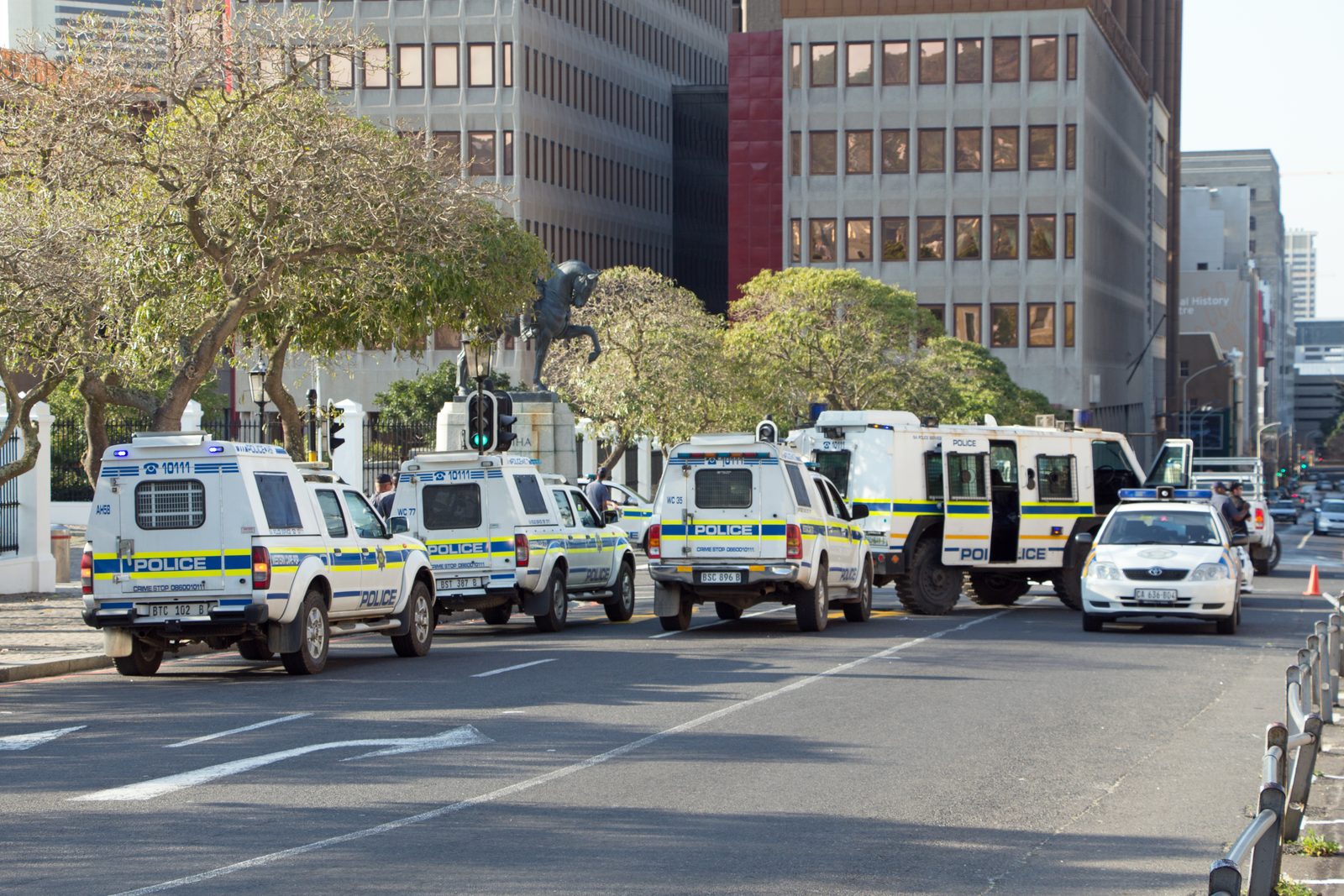
The South African Police Service deployed specialised Public Order Policing units to major hot spots. Staging posts are operational across the Johannesburg central business district, Alexandra, Katlehong, Marabastad in Pretoria, the Mabopane highway, and the Durban coastal commercial belt. Mobile command units, Nyala armoured vehicles, and water cannon systems were stationed at municipal boundaries to prevent blockades on the N1, N3, and N12 freight routes.
National Commissioner Fannie Masemola and provincial police commissioners instructed station commanders to establish joint monitoring desks with local community policing forums. The instruction directs commanders to act decisively against any individual or group attempting citizen arrests of foreign shopkeepers or attempting to inspect trading licences without municipal health inspectors present.
Law enforcement authorities reminded organizers that the Regulation of Gatherings Act 205 of 1993 requires formal municipal notifications and negotiated route agreements. Under South African law, spontaneous blockades, forced shop closures, or threats directed at business owners do not constitute protected assembly.
The Department of Home Affairs also issued a public statement. Officials warned that immigration enforcement remains the exclusive prerogative of the state. Home Affairs officials noted that joint compliance operations with municipalities and SAPS are already underway across major metros, and private citizens who attempt to usurp statutory immigration inspection powers commit criminal offences under the Immigration Act.
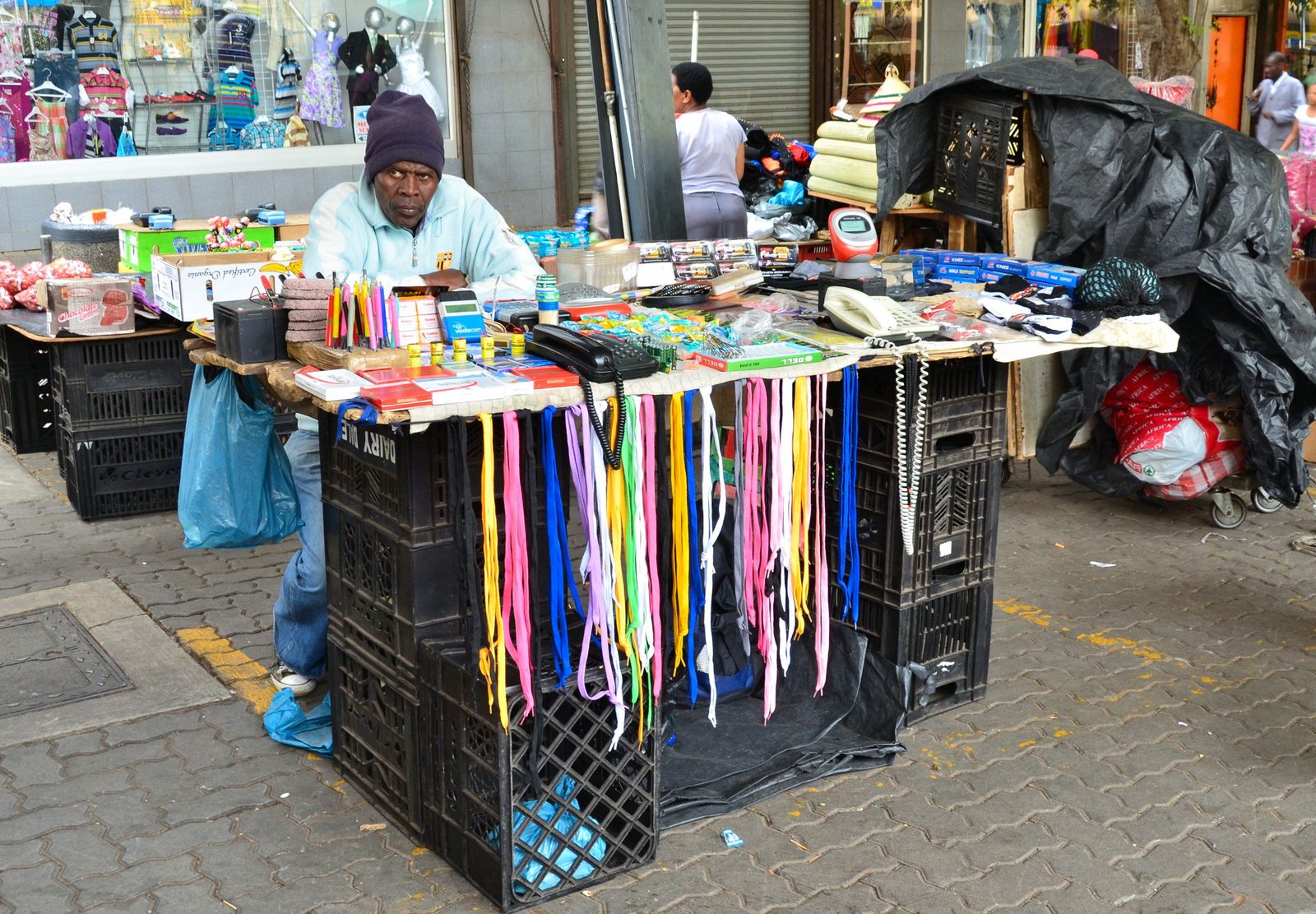
The commercial sector expressed deep apprehension ahead of Wednesday morning. Township chamber networks, logistics operators, and informal retail organizations advised members to exercise caution while maintaining operations where police visibility is guaranteed. Small business federations cautioned that forced township shutdowns destroy daily household incomes and restrict local food security for pensioners and children.
The South African National Taxi Council affirmed that minibus taxi operators will run standard passenger services. SANTACO leadership instructed regional taxi associations to keep ranks open, although operators retain discretion to suspend trips along specific corridors if violent blockades emerge. Commuter forums in Gauteng advised workers who travel during early dawn hours to monitor local transport updates before departing home.
Spaza shop operators in Alexandra and Katlehong reported visiting police stations on Tuesday afternoon to request protective patrols. Several shop owners began transferring non perishable stock to central commercial warehouses to mitigate potential losses from overnight break ins.
* Commuter Corridors: Public transport routes across major metropolitan centres are scheduled to operate normally, but commuters should anticipate police checkpoints, traffic diversions, and transit delays around government precincts, court houses, and municipal civic centres.
* Informal Business Continuity: Township spaza shops and informal trading stalls face heightened vulnerability in areas without static police patrols. Business owners should avoid confrontation, secure physical premises, and report intimidation directly to local SAPS operational command centres.
* Legal Accountability: Private citizens possess no legal authority to demand immigration papers, seize merchandise, or order business closures. Individuals participating in unauthorized evictions or commercial disruptions face immediate prosecution under public violence and extortion statutes.
* Community Safety: Residents participating in peaceful anti femicide marches are urged to remain within approved municipal assembly routes and disassociate from splinter groups attempting to intimidate traders or barricade streets.
* Can law enforcement maintain the boundary between peaceful constitutional demonstration and violent commercial extortion across far flung township nodes?
* Why do community frustrations regarding municipal bylaw enforcement and immigration compliance repeatedly bypass state administrative channels and manifest as street ultimatums?
* Will the joint security deployment prevent opportunistic disruptions along critical economic freight arteries connecting Gauteng and KwaZulu-Natal?
* How will the criminal justice system respond to demands for structural reform as survivors and community leaders march against endemic gender violence?