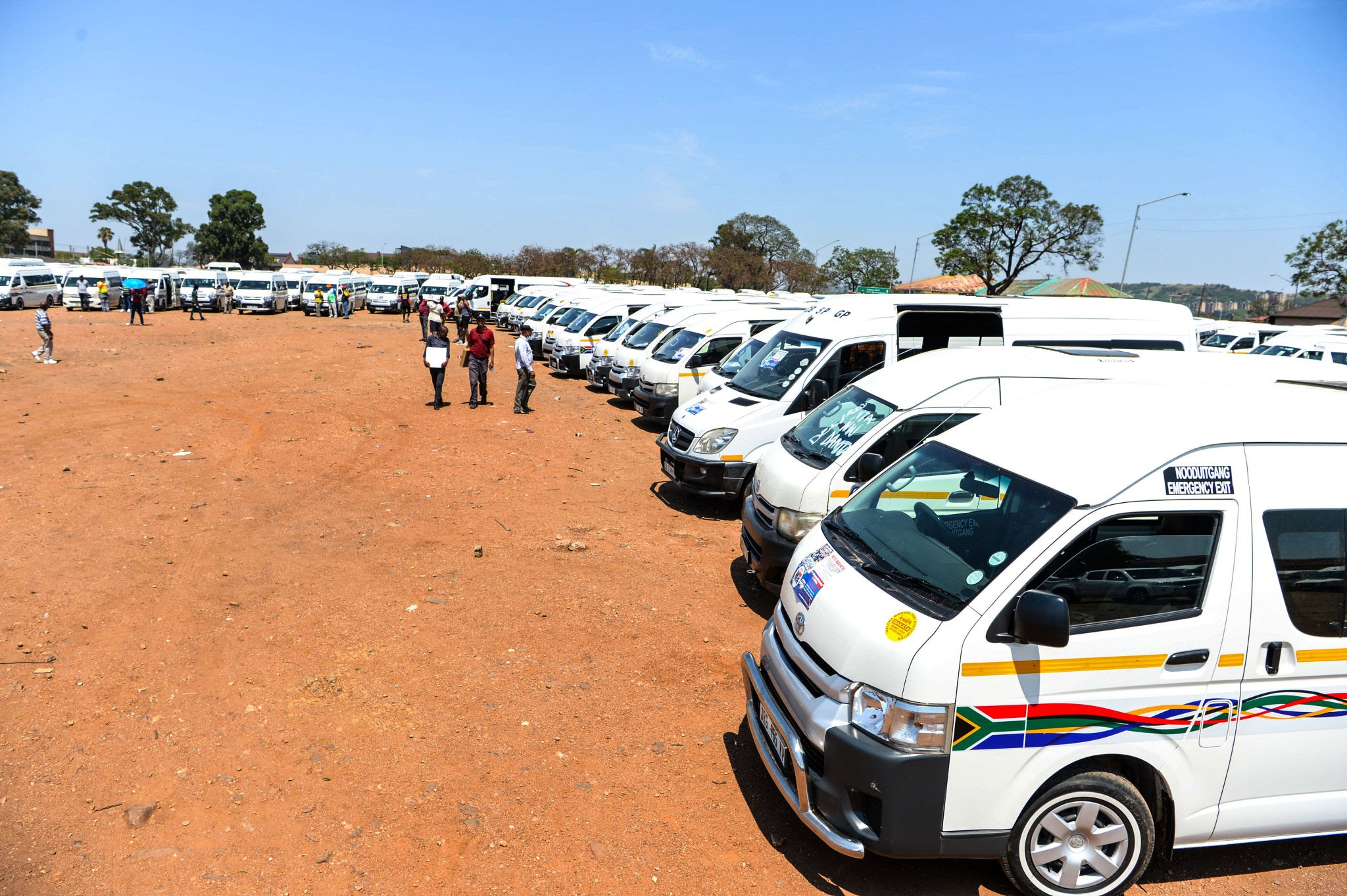
The industry body expressed growing frustration with transport authorities, alleging a failure to provide effective financial relief or structural support for operators carrying the bulk of the country's workforce.
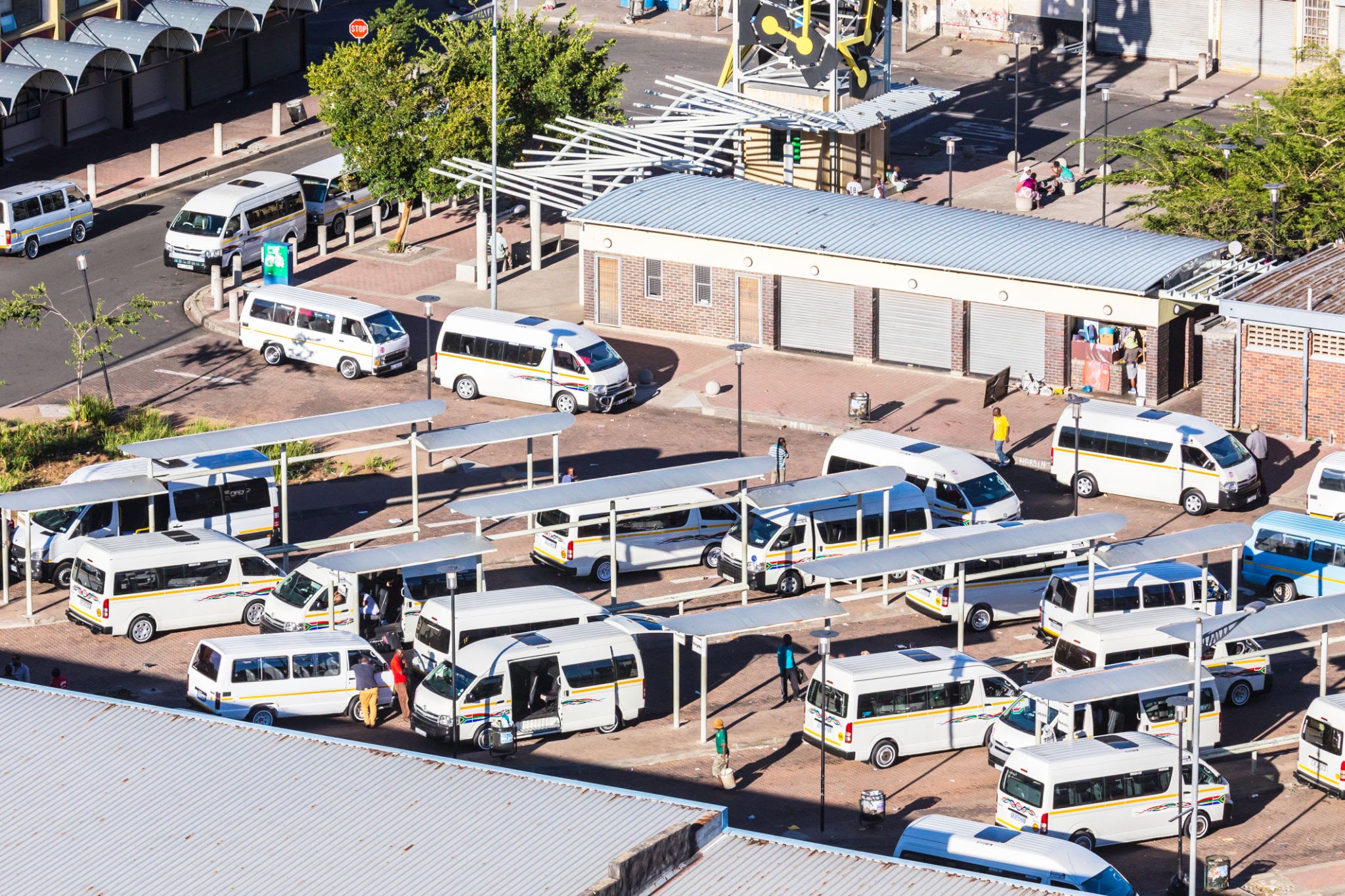
Minibus Taxi Economics & Public Transport
Key financial and policy terms shaping the public transport sector:
Operational Cost-Push: Financial strain caused when mandatory business inputs—such as petrol, diesel, tires, and maintenance—increase in price faster than revenue.
Transport Subsidization: Government financial support allocated to public transit providers to maintain affordable fares for commuters.
Commuter Elasticity: The degree to which passenger demand changes when fare prices are increased.
KEY DEVELOPMENTS IN THE TAXI ALLIANCE WARNING
Protest Action Threatened: The NTA warned that failure by government to address sector challenges will trigger widespread national protests.
Escalating Costs: Operators are hit hard by rising fuel prices, high vehicle installment rates, and inflated maintenance charges.
Frustration with Policy: The alliance criticized official delays in delivering relief frameworks for the minibus transport industry.
Commuter Dilemma: Leadership notes that while fare hikes place heavy burdens on workers, operators cannot continue absorbing losses indefinitely.
For Daily Commuters: Heightens the risk of sudden route disruptions, service delays, or imminent fare adjustments across urban and long-distance routes.
For Businesses & Workers: Signals potential transit bottlenecks that could disrupt workplace attendance and industrial productivity if protest action materializes.
Can government introduce formal relief mechanisms to cushion minibus operators without triggering broader budget strains?
How will local taxi associations balance necessary fare adjustments against the financial reality of daily commuters?
Have a perspective on this story? Leave your comment below and join the debate on News Definition.