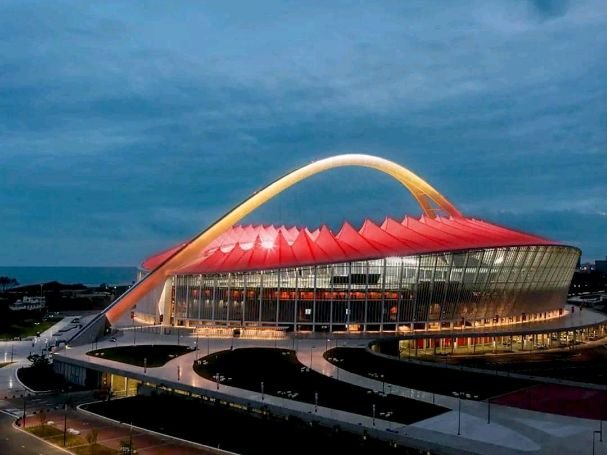
Orlando Pirates and Mamelodi Sundowns clash at Moses Mabhida Stadium in Durban on Saturday for the R10 million winner cheque in the MTN8 final. The fixture represents the richest single match prize in African domestic club competition, anchoring a tournament purse of R28 million bankrolled by telecommunications giant MTN.
The economic ripple effect extends well beyond the pitch. All 55,000 stadium tickets sold out within three hours of opening on Ticketpro, triggering illicit secondary market markups where R100 general access tickets trade for upwards of R500 outside the turnstiles. The eThekwini Municipality projects an estimated R120 million local economic injection as travelling supporters fill coastal beachfront hotels, restaurants, and long distance minibus taxi ranks.

Behind the sold out gates lies the high stakes dispute over broadcast rights. MultiChoice and SuperSport hold primary pay television broadcast rights under a multi-billion rand PSL agreement that funds monthly R2.5 million operational grants for all sixteen top flight clubs. However, ongoing carriage disputes and sub-licensing fee battles with the public broadcaster mean millions of non-subscribers face free to air blackout windows or delayed delayed transmission.
The winner cheque also serves as a vital balance sheet buffer against astronomical wage bills. Operating an elite domestic squad now requires monthly payroll expenditure exceeding R15 million for heavyweights like Sundowns and Pirates. Victory on Saturday delivers immediate liquidity, with tradition dictating that clubs distribute roughly half the R10 million purse directly to players and technical staff as performance bonuses.
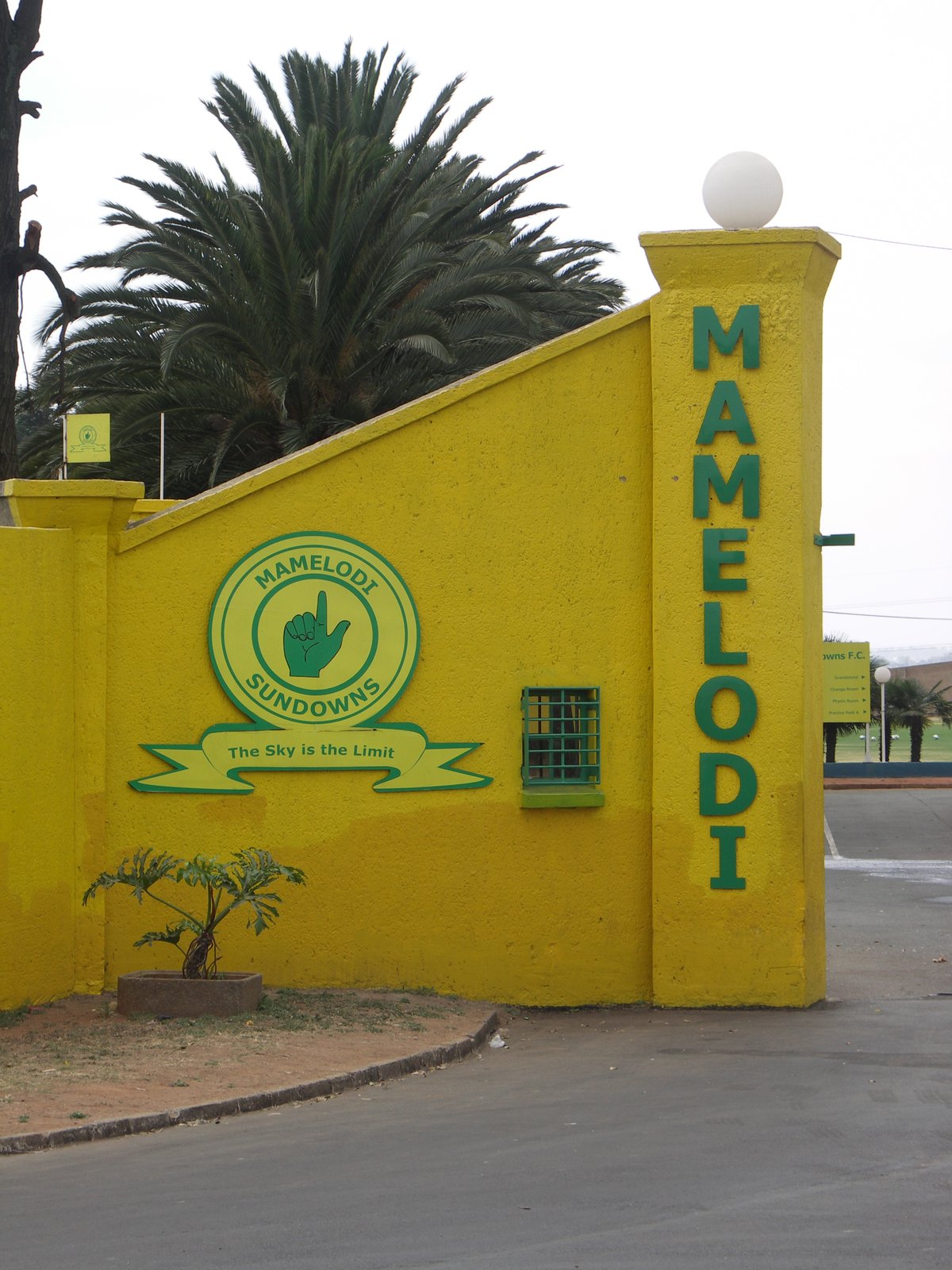
Sports commercial rights represent the packaging of intellectual property, live broadcast feeds, and venue gate receipts into monetisable financial streams. In South African football, title sponsorships like the MTN8 aggregate corporate marketing budgets into direct prize capital, while broadcast exclusivity ensures commercial pay television networks protect subscription revenue.
Football fans face escalating costs to follow their teams, between monthly pay television subscriptions and secondary ticket scalping. For Durban residents and informal hospitality vendors, major cup finals create concentrated weekend trade that offsets ongoing municipal utility strain with cash injections.
* How will the Premier Soccer League resolve the commercial standoff between SuperSport exclusivity and SABC free to air broadcast obligations for future cup finals?
* Will eThekwini law enforcement successfully prosecute organised digital ticket syndicates scalping Moses Mabhida access at five times face value?
* Can smaller PSL clubs survive on fixed monthly league grants as wage inflation driven by Sundowns and Pirates widens the competitive gulf?