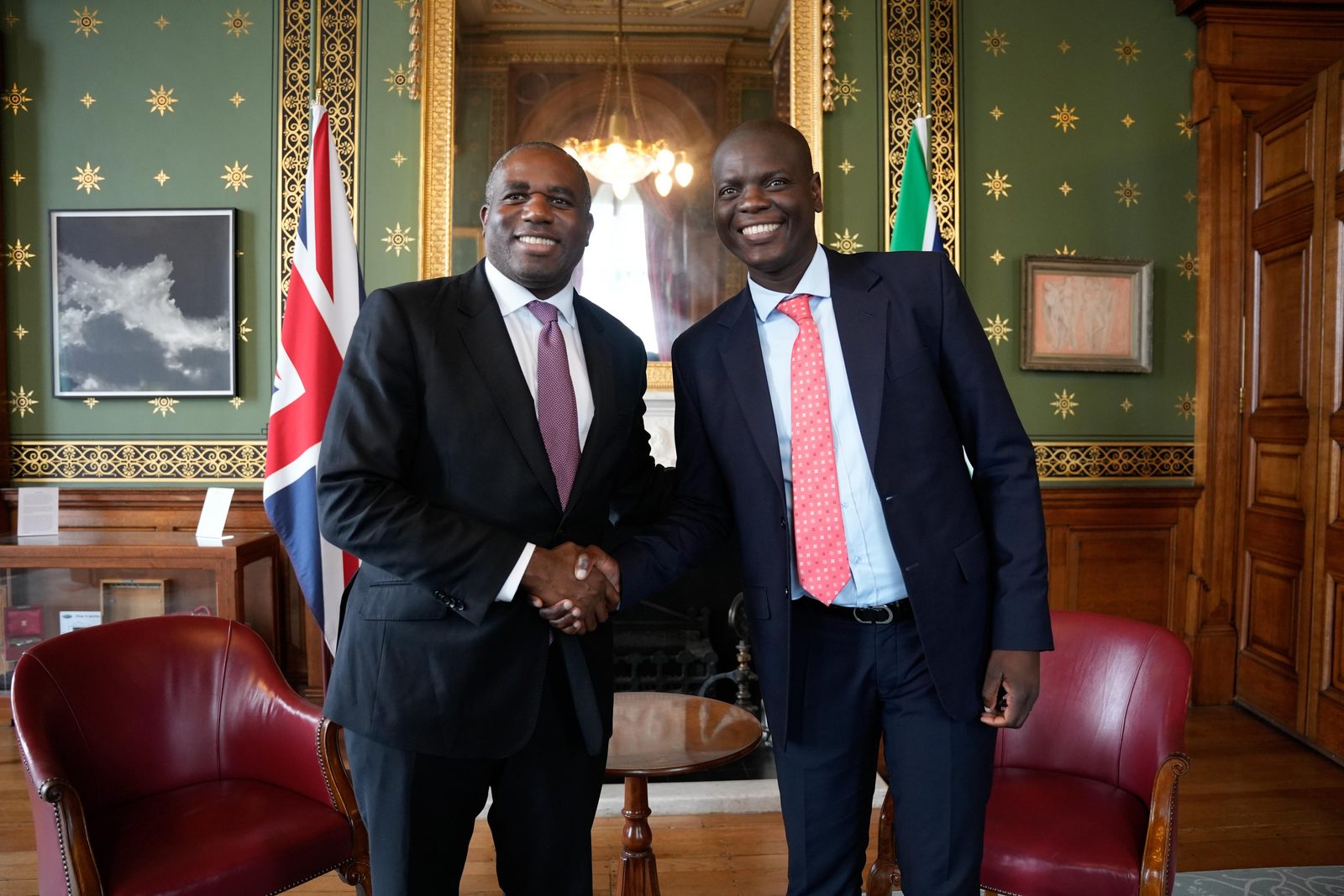
South African Minister of International Relations and Cooperation Ronald Lamola warned in New York on Tuesday that bilateral ties between Pretoria and Washington have plunged to a critically low point, telling citizens that the country must prepare for a worst-case scenario. The diplomatic rupture threatens over R370 billion in annual two-way merchandise trade and endangers South Africa's duty-free access under the African Growth and Opportunity Act, leaving domestic automotive plants and commercial fruit exporters directly exposed to retaliatory US tariff measures.
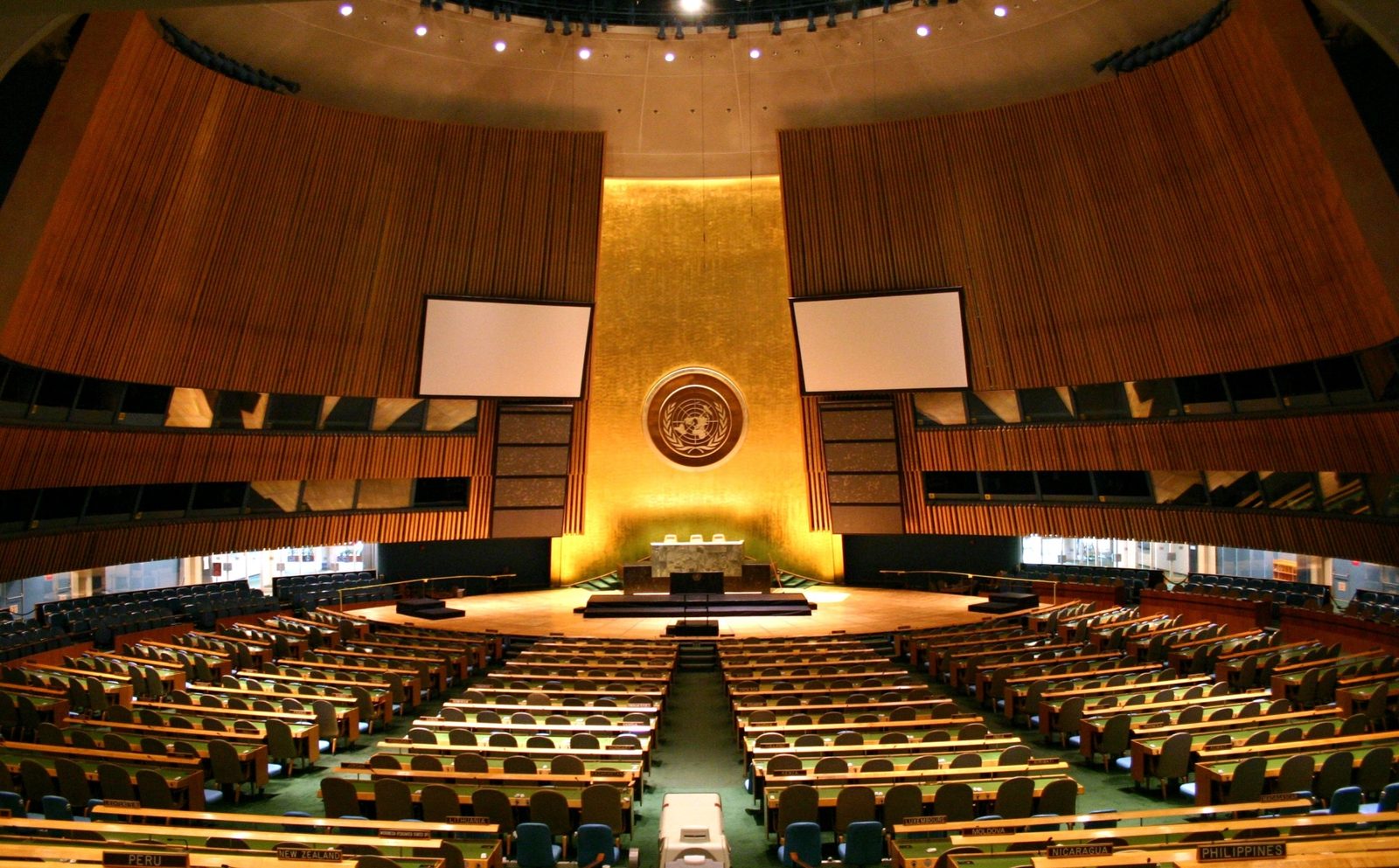
Speaking on the sidelines of the 81st United Nations General Assembly, Lamola stated that South Africa is facing coordinated pressure to surrender its constitutional sovereignty over domestic economic transformation and non-aligned foreign policy. The latest escalation followed unilateral visa restrictions announced by US Secretary of State Marco Rubio, who invoked Section 212(a)(3)(C) of the US Immigration and Nationality Act to target unnamed South African officials over contested allegations of racial discrimination, Black Economic Empowerment legislation, and land reform under the Expropriation Act.
Washington's aggressive posture extends into multilateral forums. Diplomatic cables indicate the Trump administration has moved to exclude South Africa from the upcoming G20 summit in Miami, despite South Africa being a founding member of the bloc and presiding over the group in 2025. Lamola dismissed the move as procedurally invalid, emphasizing that no host nation possesses unilateral authority to bar a sovereign founding member. Addressing the Congressional Black Caucus Foundation in Washington, Lamola equally condemned a US proposal offering fast-tracked refugee status to white Afrikaners, describing the initiative as a race-based policy designed to construct Apartheid 2.0 and inflict deliberate harm on the South African economy.
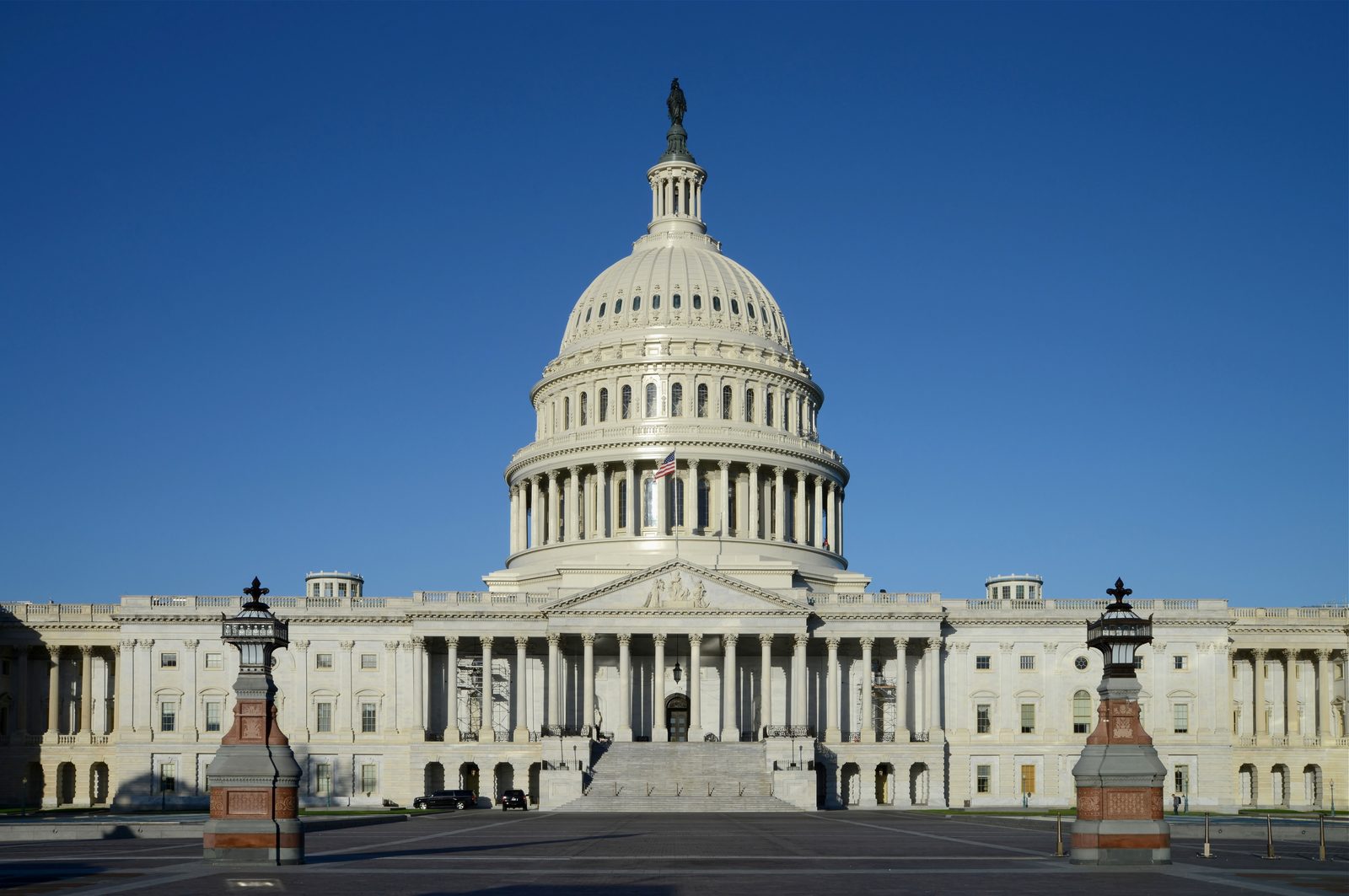
While National Assembly Speaker Thoko Didiza and trade delegations engaged congressional leaders on Capitol Hill to safeguard commercial ties, Pretoria maintains that historical redress is a non-negotiable constitutional mandate. South Africa refuses to abandon its independent foreign policy, including its interventions at the International Court of Justice and active participation in the expanded BRICS bloc. Although AGOA was formally extended through 2028, South African exporters are already managing a 12.5% tariff across multiple export categories, raising production costs for commercial citrus growers in the Western Cape and component manufacturers in the Eastern Cape.
Section 212(a)(3)(C) of the US Immigration and Nationality Act grants the US executive broad discretionary power to deny visas to foreign nationals whose entry or policy actions are deemed adverse to US foreign policy interests. In international law, G20 membership operates strictly on multilateral consensus, meaning the host state acts as an administrative venue rather than a gatekeeper with expulsion powers. Bilateral trade between South Africa and the United States exceeds $21 billion annually, underpinned by the African Growth and Opportunity Act which waives import tariffs on thousands of manufactured and agricultural products.
If diplomatic tensions spill over into commercial exclusions, the fallout will hit South African factory floors and farms directly. The domestic automotive sector, which employs more than 110,000 workers across assembly plants and supply chains in Port Elizabeth, East London, and Pretoria, relies on duty-free access to maintain vehicle export volumes. A full breakdown in US trade relations would weaken the Rand against the US dollar, increasing the cost of imported fuel, electronics, and food across South African retail shelves.
* Will congressional allies in Washington succeed in insulating South Africa's AGOA trade preferences from executive foreign policy retaliation?
* How will member states within the G20 respond if the United States refuses entry visas to the South African presidential delegation in Miami?
* What alternative export markets in Asia and the Middle East can absorb South African manufactured vehicles if American tariffs escalate?