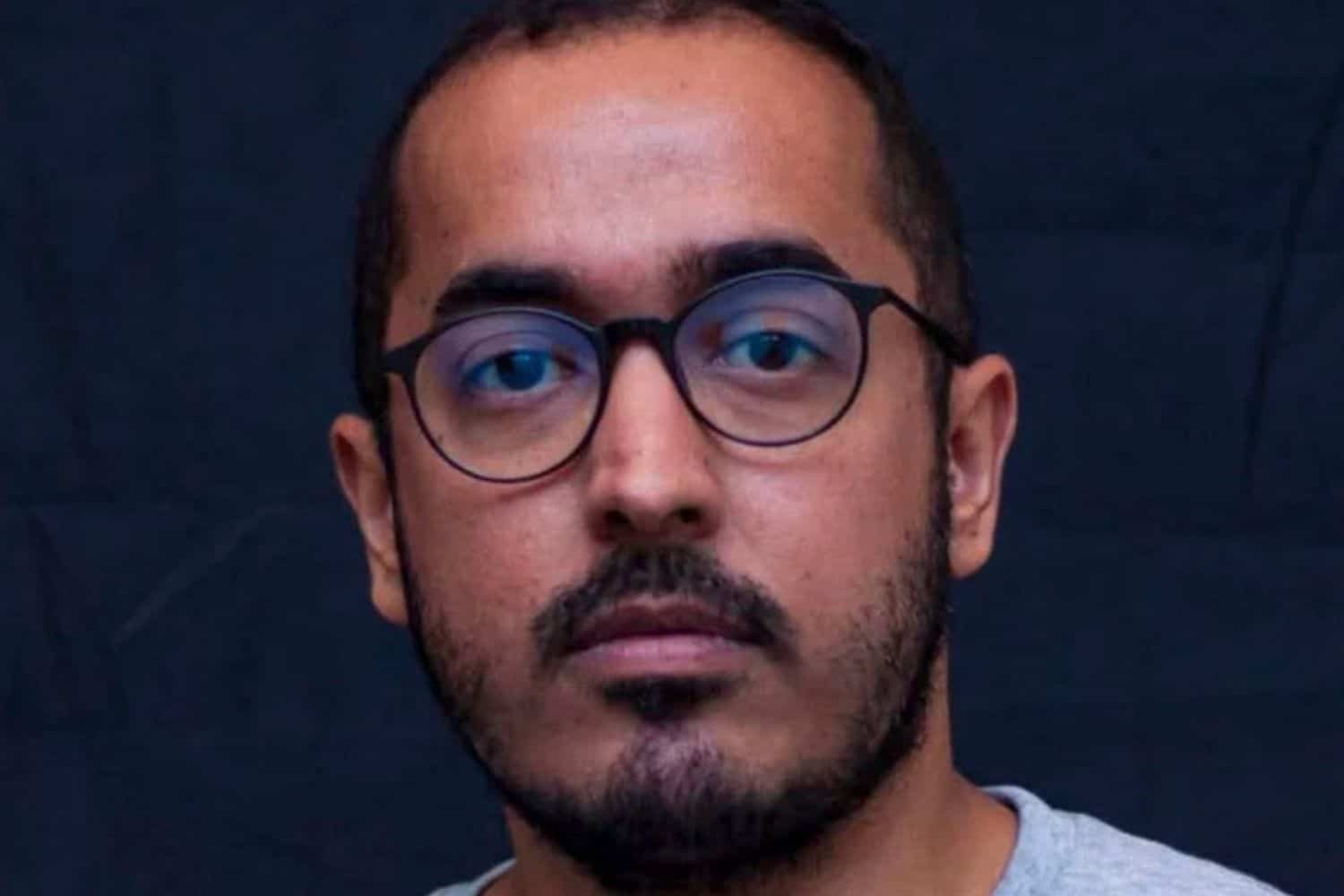
Colleagues lost contact with South African investigative journalist Micah Reddy and local reporter Mohamed Willo Ismael in Djibouti City on Saturday lunchtime, with his employer confirming it was informed both men are believed to be in state custody over missing media accreditation.
The detention leaves one of South Africa's foremost cross-border financial investigators in an undisclosed holding facility without a formal charge sheet, while the Department of International Relations and Cooperation has yet to confirm whether diplomats have secured physical consular access.
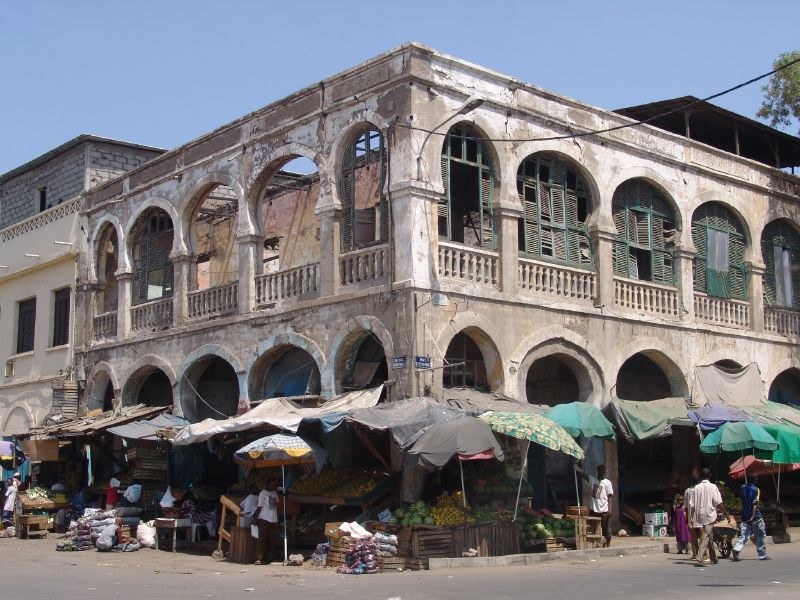
Reddy, who serves as Africa coordinator for the International Consortium of Investigative Journalists and previously reported for amaBhungane, arrived in the Horn of Africa nation on Thursday 17 September 2026. Communication ceased around 13:00 local time on Saturday 19 September after Reddy met Ismael, widely known as Kooki Mahmoud, in the lobby of the Escale International hotel. Hotel staff subsequently failed to provide visiting colleagues or family members with a coherent account of the two men's movements or departure.
By Sunday evening, the Washington-headquartered consortium issued a public statement confirming it had been informed the two journalists were believed to be in custody for failing to obtain local media accreditation. The consortium noted that Djiboutian authorities had failed to respond to multiple official enquiries regarding their location, legal status, or physical wellbeing. Reuters reported that Reddy's brother, Niall Reddy, last spoke with him on Saturday morning, pleading for urgent diplomatic intervention. Department of International Relations and Cooperation spokesperson Chrispin Phiri confirmed that officials were aware of the incident and activating diplomatic channels, but the ministry has not published a formal consular timeline or confirmed direct contact.
Official justification for the detention surfaced through Djiboutian presidency official Naguib Ali Taher, who was quoted stating that Reddy had not registered for media accreditation and that immigration officials needed to examine his tourist visa entry records. No formal charge sheet, statutory indictment, or judicial warrant has been presented to the public or legal representatives. The consortium's managing editor, Fergus Shiel, clarified that Reddy was not in Djibouti to report on domestic political affairs, declining to disclose the scope of his broader cross-border investigation to protect source networks. Media freedom watchdogs have cautioned against guessing investigative targets while reporters remain in detention.
Reddy is a dual South African and British citizen, creating a distinct jurisdictional dynamic for diplomatic intervention. Pretoria does not maintain a resident embassy in Djibouti City, managing bilateral relations non-residentially through the South African Embassy in Addis Ababa. The United Kingdom maintains a resident diplomatic mission inside Djibouti City, providing the British Foreign Office with immediate geographic access to demand entry to detention facilities. The Committee to Protect Journalists and Reporters Without Borders have issued urgent appeals demanding that Djiboutian authorities immediately disclose the detention facility and grant unconditional access to legal counsel.
The diplomatic silence from Pretoria arrives during a high-stakes multilateral window. International Relations Minister Ronald Lamola is currently in New York leading the South African delegation to the 81st United Nations General Assembly high-level debate. Bilateral corridors at the United Nations offer direct diplomatic leverage to raise detention files directly with foreign counterparts, making the absence of a verified consular visit or formal note verbale a matter of intense scrutiny for South African foreign policy.
Media accreditation detention refers to an administrative deprivation of liberty where state security or immigration officials hold a foreign correspondent for conducting inquiries without a domestic press credential. Under Article 36 of the Vienna Convention on Consular Relations 1963, to which Djibouti acceded in 1978, host authorities are obligated to inform foreign consular missions without delay whenever a foreign national is arrested or detained. Consular officers retain the inviolable treaty right to communicate with, visit, and arrange legal representation for detained nationals. Holding foreign journalists incommunicado without formal statutory charges or prompt consular notification constitutes a direct breach of international consular law.
South African journalists, technical contractors, and corporate auditors regularly deploy across Africa on investigative assignments that expose illicit financial flows. When an accredited investigator goes dark in a foreign jurisdiction, the speed and assertiveness of South Africa's diplomatic response signals whether Pretoria actively protects its citizens abroad. Dual citizenship allows families to engage resident British consular services in Djibouti City while the South African mission in Addis Ababa coordinates regional channels, but Pretoria retains primary sovereign responsibility to demand open dockets, access to detention facilities, and immediate protection against unlawful administrative detention.
* Has the South African mission in Addis Ababa or the British Embassy in Djibouti City secured direct physical access to Micah Reddy and Kooki Mahmoud today?
* Has the Djiboutian government registered a formal criminal charge sheet with a judicial magistrate, or are both journalists being held indefinitely under an administrative immigration decree?
* What diplomatic representation has Minister Ronald Lamola lodged with Djiboutian counterparts on the sidelines of the United Nations General Assembly in New York to guarantee their immediate physical safety and release?